The Green Mountain State’s Ambitious Goals
Vermont, known for its picturesque landscapes and commitment to environmental sustainability, has set ambitious renewable energy goals that are turning heads across the nation. With a target of achieving 100% renewable energy by 2030 for its electricity needs, Vermont is leading the charge in the transition to cleaner energy sources. This bold initiative is not only a testament to the state’s dedication to combating climate change but also a model for other states to follow.
The Role of Community in Vermont’s Energy Transition
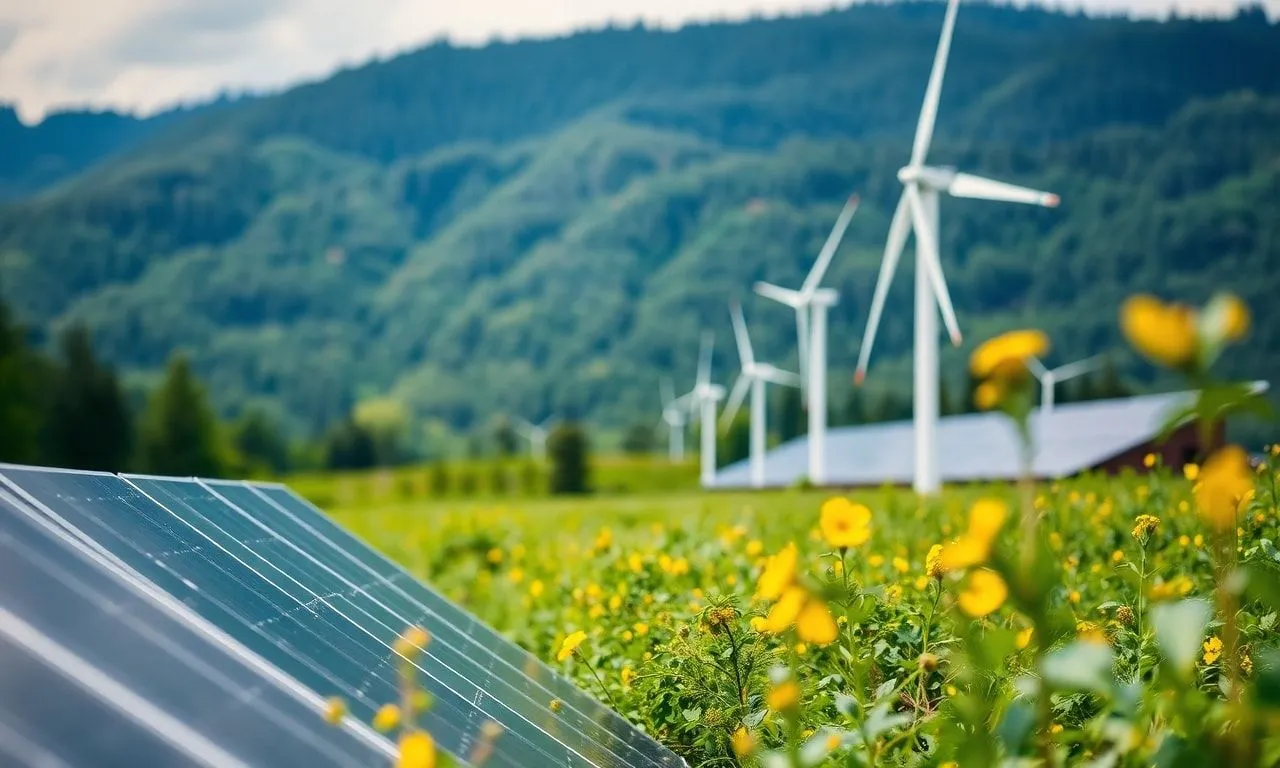
Central to Vermont’s renewable energy strategy is the involvement of local communities. The state has been actively promoting community-based energy projects, encouraging residents to take ownership of their energy future. This grassroots approach has led to the establishment of numerous community solar and wind projects, fostering a sense of collective responsibility and empowerment. By involving local stakeholders, Vermont ensures that the benefits of renewable energy are widely shared and that the transition is both inclusive and equitable.
One of the key aspects of this community-driven approach is the emphasis on energy efficiency. Vermont has implemented various programs to help residents and businesses reduce their energy consumption. These initiatives include energy audits, weatherization assistance, and incentives for upgrading to energy-efficient appliances. By focusing on efficiency, Vermont aims to lower overall energy demand, making the transition to renewable sources more achievable.
Innovative Policies and Incentives
To support its renewable energy goals, Vermont has introduced a range of innovative policies and incentives. The state offers tax credits and rebates for the installation of solar panels, wind turbines, and other renewable energy systems. Additionally, Vermont has implemented a feed-in tariff program, which guarantees a fixed price for the electricity generated by renewable energy systems, providing a stable income stream for participants. These policies have been instrumental in driving the adoption of renewable energy technologies across the state.
Furthermore, Vermont has been a pioneer in the development of energy storage solutions. Recognizing the intermittent nature of renewable energy sources, the state has invested in advanced battery storage technologies to ensure a reliable and consistent energy supply. These storage systems store excess energy generated during periods of high production and release it during times of high demand, enhancing the overall stability of the grid.
The Impact on Local Economies
The shift towards renewable energy has had a profound impact on Vermont’s local economies. The growth of the renewable energy sector has created numerous jobs, ranging from installation and maintenance to research and development. This job creation has been particularly beneficial for rural communities, which have traditionally faced economic challenges. By diversifying their economies, these communities are becoming more resilient and self-sufficient.
Moreover, the renewable energy sector has attracted significant investment to the state. Companies specializing in solar, wind, and energy storage technologies have established a presence in Vermont, bringing with them new business opportunities and economic growth. This influx of investment has not only boosted the state’s economy but has also positioned Vermont as a leader in the renewable energy industry.
Challenges and Solutions
Despite its progress, Vermont’s renewable energy transition has not been without challenges. One of the primary obstacles has been the need for extensive infrastructure upgrades. To accommodate the integration of renewable energy sources, Vermont has had to invest in modernizing its grid and expanding its transmission and distribution networks. This has required careful planning and coordination to ensure that the infrastructure can handle the increased capacity and variability of renewable energy.
Another challenge has been the need for skilled labor to support the growing renewable energy sector. To address this, Vermont has partnered with educational institutions to develop specialized training programs. These programs provide students with the skills and knowledge needed to work in the renewable energy industry, ensuring a steady supply of qualified professionals. Additionally, Vermont has collaborated with organizations like the tesisatçı servis adres portal to share best practices and resources, further enhancing the state’s capacity to meet its renewable energy goals.
The Future of Renewable Energy in Vermont
Looking ahead, Vermont’s commitment to renewable energy shows no signs of waning. The state continues to explore new technologies and strategies to further enhance its energy independence and sustainability. One area of particular interest is the development of microgrids, which are small-scale power grids that can operate independently or in conjunction with the main grid. These microgrids can provide localized energy solutions, increasing resilience and reducing reliance on centralized power sources.
Additionally, Vermont is exploring the potential of geothermal energy as a supplementary renewable resource. Geothermal systems harness the earth’s natural heat to provide heating and cooling, offering a sustainable alternative to traditional HVAC systems. By integrating geothermal technology into its energy mix, Vermont aims to further diversify its renewable energy portfolio and reduce its carbon footprint.
Conclusion
Vermont’s renewable energy push serves as a beacon of hope and inspiration for the rest of the nation. Through its innovative policies, community engagement, and commitment to sustainability, Vermont has demonstrated that a transition to renewable energy is not only possible but also beneficial for both the environment and the economy. As other states look to follow in Vermont’s footsteps, the lessons learned from the Green Mountain State’s journey will undoubtedly play a crucial role in shaping the future of renewable energy in America.