The Green Mountain State’s Commitment to Renewable Energy
Vermont, known for its picturesque landscapes and eco-conscious residents, has been making significant strides in the renewable energy sector. The state’s commitment to sustainability and innovation has positioned it as a leader in the transition towards cleaner energy sources. This article explores the current state of Vermont’s renewable energy sector, highlighting key projects, policies, and the impact on the local economy and environment.
Key Renewable Energy Projects in Vermont
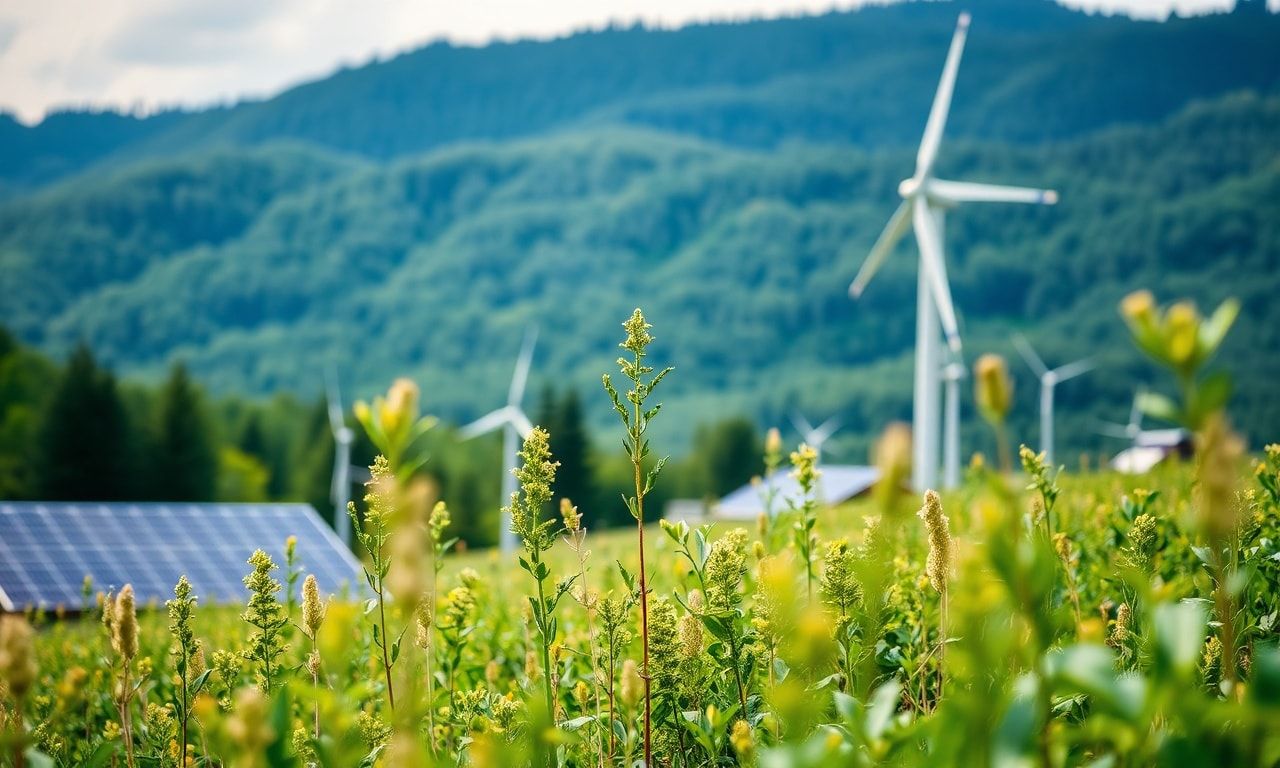
Vermont’s renewable energy landscape is diverse, with a focus on harnessing the state’s natural resources. Hydropower, wind, solar, and biomass are the primary sources of renewable energy in the state. Notable projects include:
- Hydropower: Vermont’s rivers and streams provide ample opportunities for hydropower generation. The state has several hydropower plants, with the largest being the Winooski One Hydroelectric Project.
- Wind Energy: Wind farms like the Georgia Mountain Community Wind Project and the Sheffield Wind Project contribute significantly to the state’s renewable energy portfolio.
- Solar Energy: Community solar projects, such as the Vermont Solar Farm in Rutland, are becoming increasingly popular, allowing residents to benefit from solar energy without installing panels on their own properties.
- Biomass: The state utilizes wood pellets and other biomass materials for heating, reducing reliance on fossil fuels.
The Role of Policy and Regulation
The Vermont Public Utility Commission (PUC) plays a crucial role in regulating and promoting renewable energy projects. The state has set ambitious goals to reduce greenhouse gas emissions and increase the share of renewable energy in its energy mix. Policies such as the Renewable Energy Standard and the Net Metering Program have been instrumental in driving the growth of renewable energy projects.
Additionally, the state offers various incentives and rebates for residents and businesses to adopt renewable energy technologies. These incentives, combined with the state’s commitment to sustainability, have created a favorable environment for investment in renewable energy projects.
Economic and Environmental Impacts
The growth of the renewable energy sector has had a positive impact on Vermont’s economy. The sector has created jobs and attracted investment, contributing to the state’s economic development. According to the Vermont Department of Labor, the renewable energy sector employs thousands of workers in various capacities, from installation and maintenance to research and development.
Environmentally, the shift towards renewable energy has led to a reduction in greenhouse gas emissions and air pollution. Vermont has seen a decrease in its carbon footprint, contributing to the state’s efforts to combat climate change. The use of renewable energy has also helped to conserve the state’s natural resources and protect its delicate ecosystems.
Challenges and Future Prospects
Despite the progress, the renewable energy sector in Vermont faces several challenges. One of the main challenges is the intermittent nature of some renewable energy sources, such as wind and solar, which can be affected by weather conditions. This intermittency requires the development of energy storage solutions and grid modernization to ensure a reliable and stable energy supply.
Another challenge is the need for significant investment in infrastructure and technology. While the state has made progress, more investment is needed to fully realize the potential of renewable energy. The state is also working to address concerns related to the visual impact of wind turbines and the potential disruption of natural habitats.
Looking ahead, Vermont’s renewable energy sector is poised for continued growth. The state’s commitment to sustainability, combined with advancements in technology and favorable policies, will drive the development of new projects and innovations. The integration of smart grid technologies and energy storage solutions will further enhance the reliability and efficiency of the state’s energy system.
Conclusion
Vermont’s renewable energy sector is a testament to the state’s commitment to sustainability and innovation. Through strategic policies, significant investments, and a focus on harnessing natural resources, Vermont has positioned itself as a leader in the transition towards cleaner energy. The economic and environmental benefits of this transition are evident, and the state’s continued efforts will ensure a sustainable and prosperous future for all residents.
As the world grapples with the challenges of climate change and the need for sustainable energy solutions, Vermont serves as a model for other states and countries. The state’s experience and achievements in the renewable energy sector offer valuable insights and lessons for the global community. By continuing to invest in and promote renewable energy, Vermont is not only securing its own future but also contributing to the global effort to create a more sustainable and resilient world.
For those interested in exploring innovative solutions in the renewable energy sector, resources like çekici online offer a wealth of information and tools to support the transition towards cleaner energy.
In light of recent discussions on health policies, our latest feature, mental and physical health connection, offers a comprehensive look at the interplay between these critical aspects of well-being.
As global trade continues to evolve, understanding the latest developments in supply chain dynamics is crucial; explore the current supply chain hurdles affecting industries worldwide.