Local Mosques Adapt to New Realities
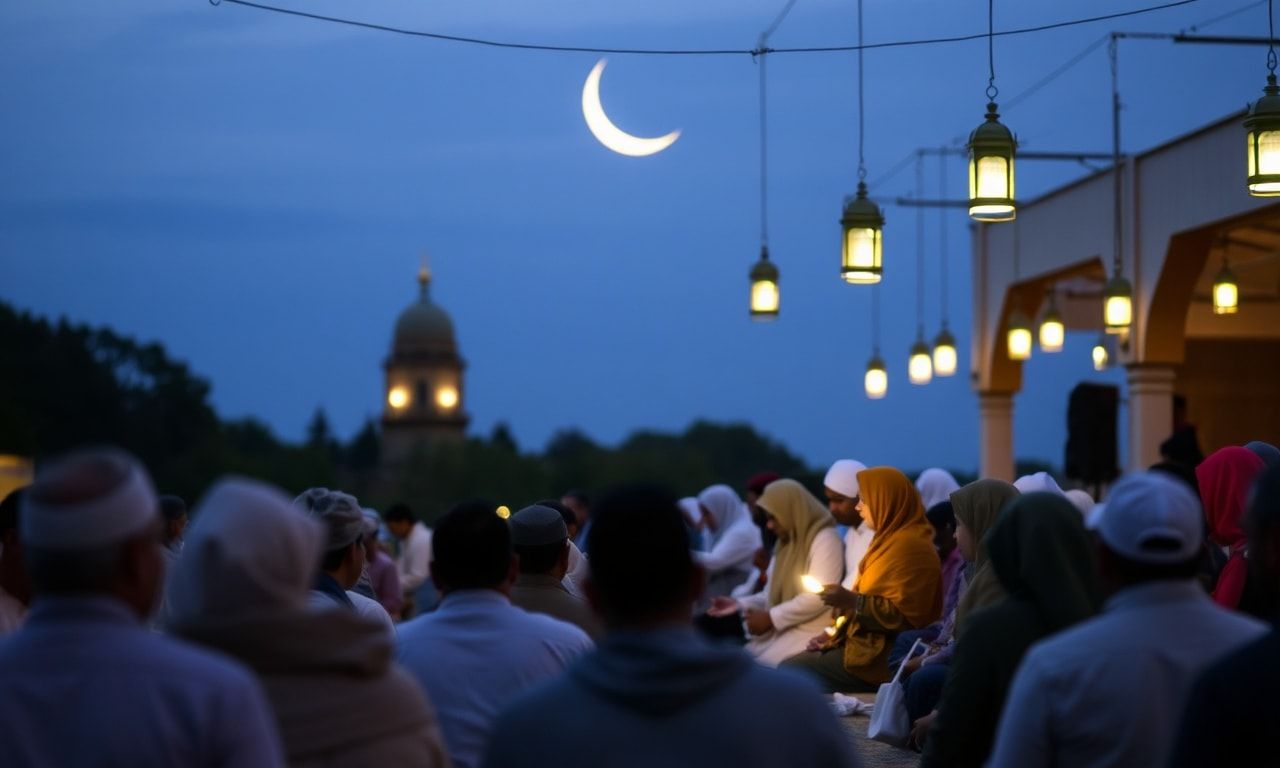
As the holy month of Ramadan commences, Vermont’s Muslim communities are finding innovative ways to observe traditions amidst the ongoing global challenges. Local mosques have implemented strict safety protocols to accommodate worshippers while adhering to public health guidelines. This year, many mosques are encouraging virtual participation for Taraweeh prayers, a nightly Ramadan tradition, to ensure the safety of all attendees. The Ramadan prayer schedule has been adapted to reflect these changes, providing clear guidelines for those wishing to pray in-person or online.
Community Efforts to Support Those in Need
Ramadan is a time of reflection, spirituality, and charity. Vermont’s Muslim communities are rallying to support those affected by the ongoing pandemic and other hardships. Food drives, virtual fundraisers, and donation campaigns have been organized to provide assistance to families in need. Local imams and community leaders are encouraging everyone to contribute, regardless of their faith, to foster a sense of unity and solidarity during this difficult time.
Cultural Events and Virtual Gatherings
Despite the limitations imposed by the pandemic, Vermont’s Muslim communities are determined to celebrate Ramadan with the same enthusiasm and spirit as in previous years. Virtual Iftar gatherings, online Quran recitations, and cultural events have been organized to bring people together in a safe and inclusive manner. These events not only provide an opportunity for spiritual growth but also serve as a platform for interfaith dialogue and understanding. Local organizations are collaborating to host webinars and workshops on various topics, including the importance of mental health, the significance of Ramadan, and the role of community in overcoming adversity.
The Role of Technology in Observing Ramadan
Technology has played a crucial role in helping Vermont’s Muslim communities observe Ramadan safely and effectively. Mobile apps and websites have been developed to provide accurate prayer times, Quran recitations, and virtual community gatherings. These tools have enabled worshippers to stay connected and engaged, even when physical gatherings are not possible. The use of technology has also facilitated the distribution of essential resources and information, ensuring that everyone has access to the support they need during this holy month.
Looking Ahead: A Time for Hope and Renewal
As Ramadan progresses, Vermont’s Muslim communities are focusing on the themes of hope, renewal, and resilience. The challenges of the past year have tested the strength and unity of these communities, but they have also demonstrated the power of faith and solidarity. By coming together, both virtually and in-person, worshippers are finding new ways to celebrate their traditions and support one another. The lessons learned during this time will undoubtedly shape the future of Ramadan celebrations in Vermont, ensuring that the spirit of the holy month continues to thrive.
Explore the complex dynamics of community responses to crime in our latest feature, faith and justice systems.