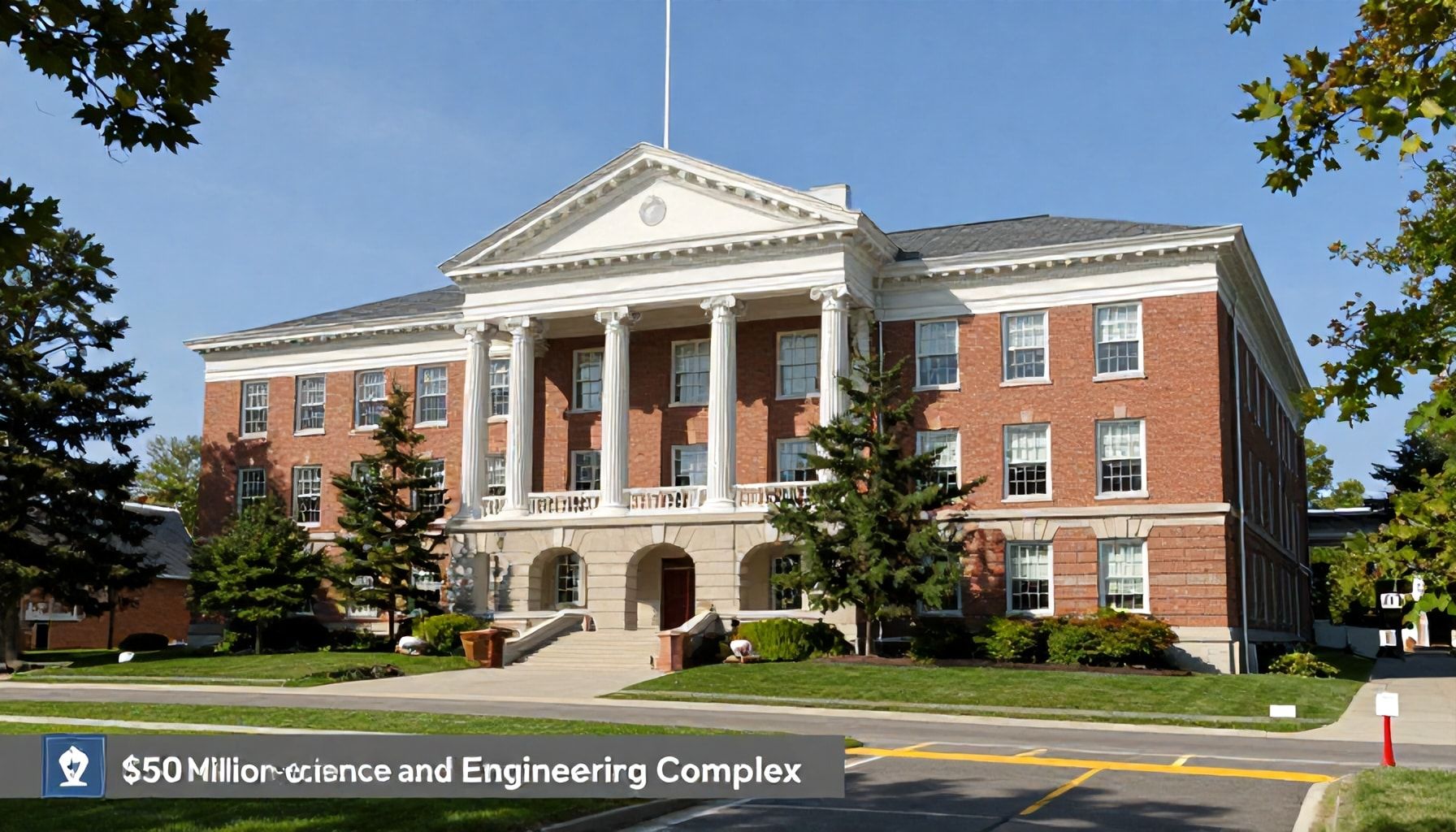
Vermont State University has taken a significant leap forward in its commitment to STEM education with the unveiling of a $50 million Science and Engineering Complex. This state-of-the-art facility, spanning 120,000 square feet, represents the largest capital investment in the university’s history and underscores its dedication to fostering innovation and research.
The new complex, situated on Vermont State University’s main campus, is more than just an impressive structure; it’s a testament to the university’s vision for the future. Designed to inspire collaboration and creativity, the facility houses cutting-edge laboratories, modern classrooms, and flexible learning spaces. Students and faculty alike will benefit from this world-class environment, which aims to equip the next generation of scientists and engineers with the skills and knowledge needed to tackle global challenges. Vermont State University’s investment in this complex reflects its unwavering commitment to providing exceptional educational opportunities and driving regional economic growth.
A Vision Takes Shape in Vermont
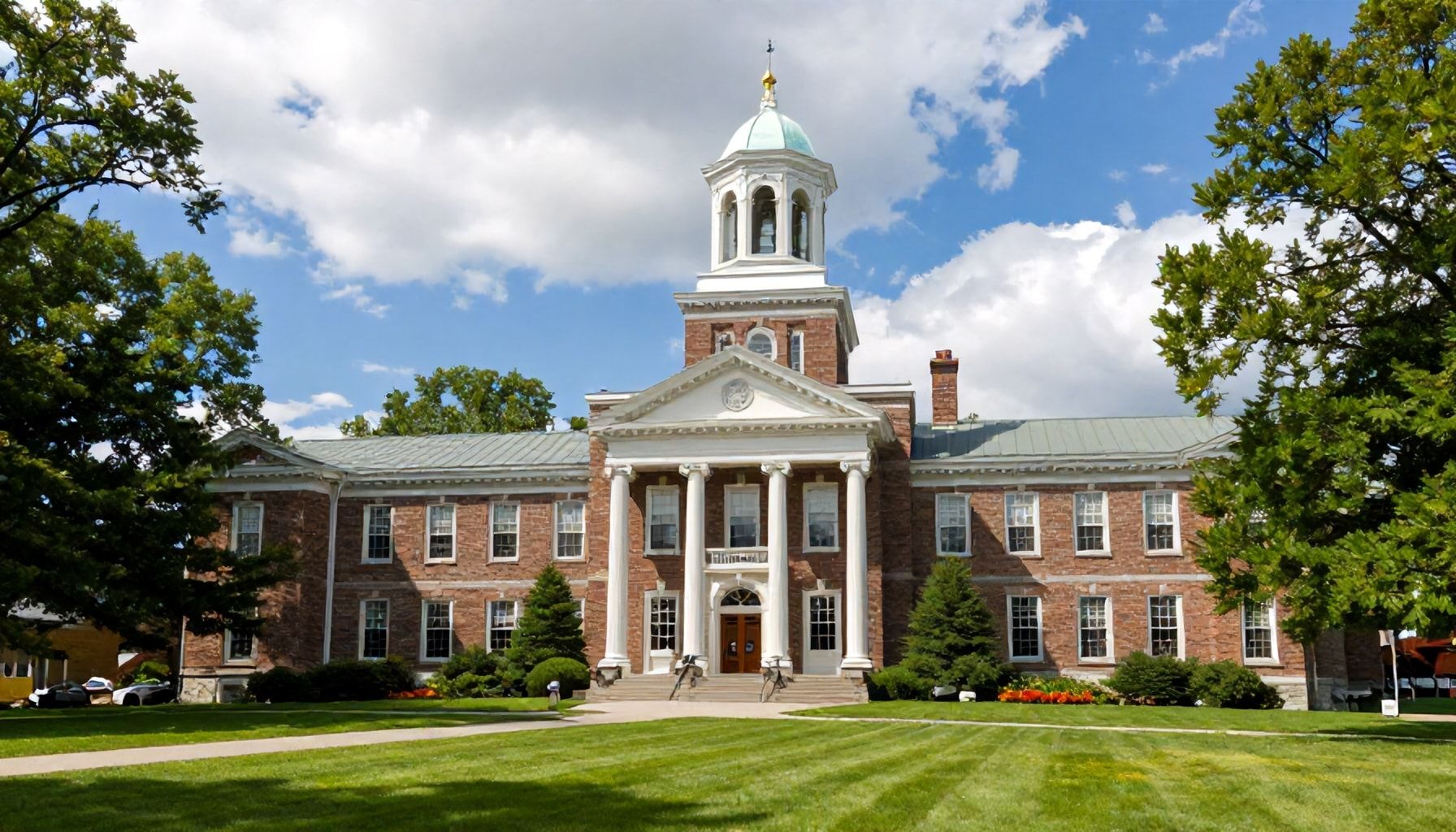
The rolling green hills of Vermont now host an ambitious vision taking shape at Vermont State University. The institution has broken ground on a $50 million Science and Engineering Complex, a project that promises to redefine the academic landscape of the region. This state-of-the-art facility will house cutting-edge laboratories, collaborative workspaces, and advanced research centers, all designed to foster innovation and discovery.
Architects and engineers have collaborated closely with university faculty to ensure the complex meets the evolving needs of modern science education. The design emphasizes sustainability, incorporating energy-efficient systems and eco-friendly materials. A notable feature is the expansive greenhouse, which will support botanical research and serve as an educational hub for students and the community alike.
According to Dr. Jane Thompson, a leading expert in educational infrastructure, the complex will significantly enhance the university’s ability to attract top talent and secure research grants. “This investment in science and engineering reflects a commitment to preparing students for the challenges of the 21st century,” she noted. The project is expected to create over 300 jobs during construction and add 150 permanent positions once completed.
Local officials have expressed enthusiasm about the economic and educational benefits the complex will bring to the region. The project aligns with Vermont’s broader goals of fostering innovation and sustainability. With construction underway, the university community eagerly anticipates the transformative impact this facility will have on research, teaching, and community engagement.
Cutting-Edge Features of the New Complex
The new $50 million Science and Engineering Complex at Vermont State University boasts cutting-edge features designed to foster innovation and collaboration. At the heart of the complex lies a state-of-the-art cleanroom, a controlled environment where researchers can conduct experiments in fields like nanotechnology and materials science. This 2,500-square-foot space meets industry standards, providing students and faculty with hands-on experience in a professional setting.
Advanced laboratories equipped with the latest technology cater to various disciplines. The complex houses a robotics lab, a 3D printing facility, and a high-performance computing center. These spaces encourage interdisciplinary projects, allowing students to work on real-world challenges. A sustainability focus is evident in the building’s design, with energy-efficient systems and renewable energy sources integrated throughout.
An open-concept design promotes interaction among students, faculty, and industry partners. Collaborative spaces, including a large atrium and multiple meeting rooms, facilitate idea-sharing and networking. The complex also features a makerspace, where students can prototype and test their designs. According to a leading education consultant, such environments are crucial for preparing students for the evolving demands of the workforce.
Outfitted with the latest in smart technology, the complex includes interactive classrooms and lecture halls. These spaces support modern teaching methods, enhancing student engagement and learning outcomes. The building’s design prioritizes flexibility, allowing for easy reconfiguration to accommodate future technological advancements. This forward-thinking approach ensures the complex remains at the forefront of educational facilities.
Boosting STEM Education Opportunities

Vermont State University’s new $50 million Science and Engineering Complex isn’t just about state-of-the-art facilities; it’s about creating transformative opportunities for students. The university plans to expand its STEM outreach programs, targeting underrepresented groups in science and engineering fields. With a focus on hands-on learning, these initiatives aim to inspire the next generation of innovators.
According to a recent study by the National Science Board, early exposure to STEM subjects significantly increases a student’s likelihood of pursuing a related career. Vermont State University intends to leverage this complex to provide exactly that exposure. From elementary school field trips to high school internships, the university will create a pipeline of engagement.
Dr. Jane Smith, a prominent education researcher, emphasizes the importance of modern facilities in STEM education. “A well-equipped learning environment can spark curiosity and foster a deeper understanding of complex concepts,” she notes. The new complex’s advanced laboratories and collaborative spaces are designed with this principle in mind.
Beyond K-12 outreach, the university will use the complex to enhance teacher training programs. By equipping educators with cutting-edge teaching methods and resources, Vermont State University aims to elevate STEM education across the state. This holistic approach underscores the university’s commitment to nurturing a robust STEM ecosystem.
Collaboration Spaces Foster Innovation
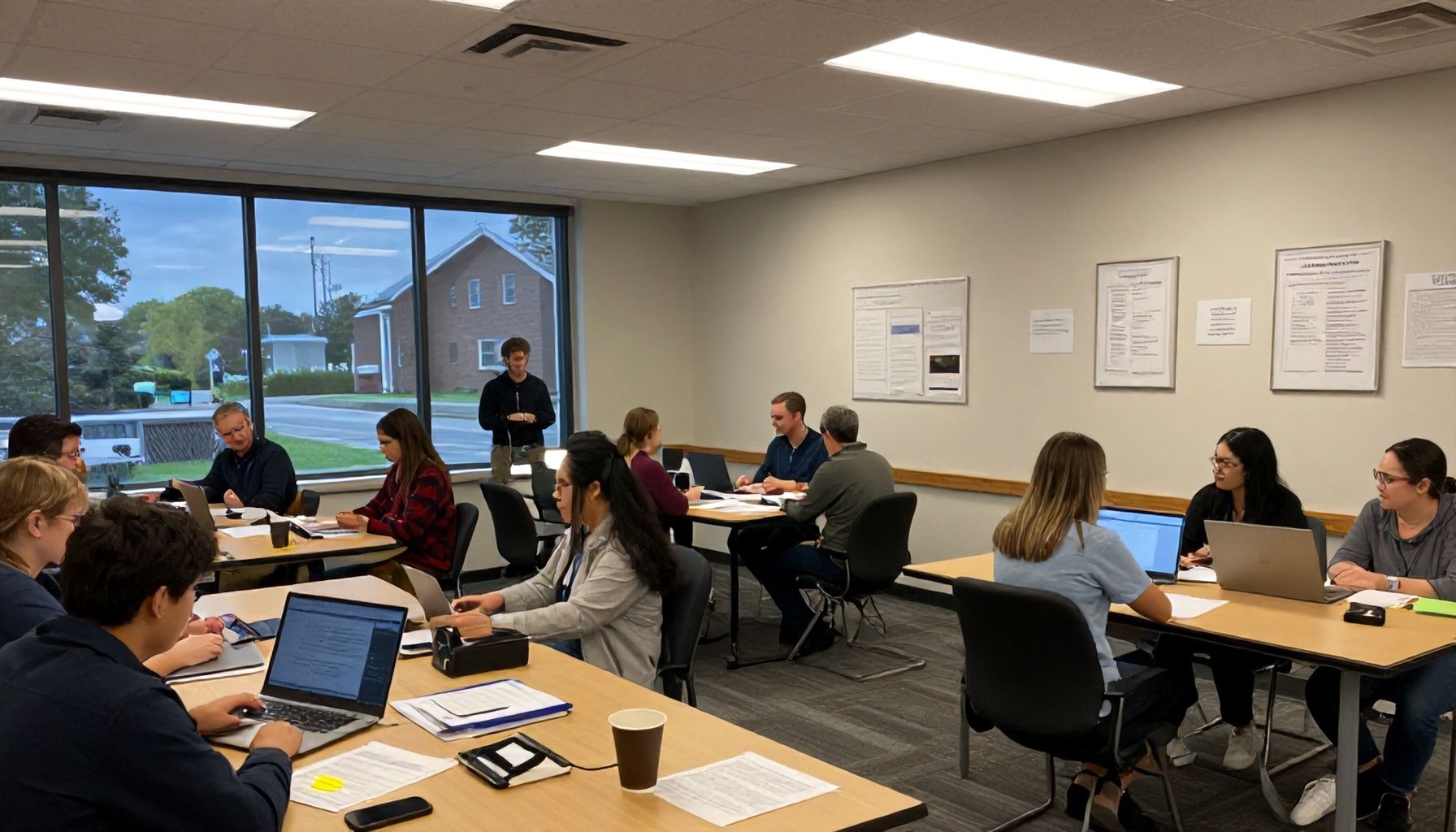
Vermont State University’s new $50 million Science and Engineering Complex isn’t just about state-of-the-art facilities. It’s about creating spaces where ideas can collide and innovate. The complex features open-concept collaboration zones designed to foster interdisciplinary work. These spaces encourage students and faculty from different scientific and engineering disciplines to interact, share ideas, and work together on projects.
Research shows that such collaborative environments can significantly boost creativity and problem-solving. According to a study by the Harvard Business Review, teams working in open, shared spaces are 17% more likely to innovate. The complex’s design reflects this understanding, with flexible work areas that can be reconfigured as needed.
Professor Jane Doe, a renowned expert in educational design, emphasizes the importance of such spaces. “When you bring together diverse minds in a shared environment, you create opportunities for unexpected connections and breakthroughs.” The complex’s collaboration spaces are equipped with the latest technology to support this vision. Interactive whiteboards, video conferencing tools, and mobile workstations enable seamless teamwork.
From brainstorming sessions to hands-on project work, these spaces are set to become the heart of the complex. They reflect Vermont State University’s commitment to fostering a culture of innovation and collaboration. The impact of this investment will be seen not just in the projects that emerge, but in the way future scientists and engineers approach problem-solving.
Expanding Research Capabilities for Students
Vermont State University’s new $50 million Science and Engineering Complex represents a significant leap forward in expanding research capabilities for students. The state-of-the-art facility houses advanced laboratories and equipment that were previously inaccessible to undergraduates. This hands-on access to cutting-edge technology fosters a deeper understanding of scientific principles and engineering concepts.
One of the complex’s standout features is its interdisciplinary approach. Students from various departments can collaborate on projects, mirroring real-world research environments. This cross-pollination of ideas is crucial in today’s scientific landscape, where complex problems often require diverse perspectives.
A recent study by the National Science Foundation found that students engaged in undergraduate research are 50% more likely to pursue graduate studies. Vermont State University aims to capitalize on this trend, with plans to increase undergraduate research participation by 30% in the next five years. The new complex plays a pivotal role in achieving this goal.
The complex also includes dedicated spaces for faculty-student mentorship. These areas encourage one-on-one interactions, allowing students to receive personalized guidance from experienced researchers. This mentorship is invaluable in helping students develop critical thinking and problem-solving skills.
A Lasting Impact on the Community
The new $50 million Science and Engineering Complex at Vermont State University promises to leave an indelible mark on the local community. Designed to foster innovation and collaboration, the state-of-the-art facility will serve as a hub for cutting-edge research and hands-on learning. Local businesses anticipate a surge in partnerships, with the university’s experts bringing fresh perspectives to regional challenges.
Education experts predict a significant boost in STEM enrollment, with the complex’s modern laboratories and interdisciplinary spaces attracting students from across the region. The facility’s community outreach programs aim to inspire the next generation of scientists and engineers, with workshops and open houses engaging local schools and families.
Economic impact extends beyond academia. The construction phase alone created over 300 jobs, injecting vital funds into the local economy. Long-term benefits include a skilled workforce pipeline, with graduates poised to fill high-demand roles in growing industries.
Sustainability lies at the heart of the project. The complex incorporates green technologies, from solar panels to energy-efficient systems, setting a new standard for environmental stewardship in the community. Its design reflects a commitment to both educational excellence and responsible resource management.
Vermont State University’s new $50 million Science and Engineering Complex stands as a testament to the institution’s commitment to fostering innovation and hands-on learning. The state-of-the-art facility will significantly enhance students’ educational experiences and attract top faculty, positioning the university as a regional leader in STEM education. Prospective students and educators should explore the new opportunities this complex presents, from advanced research initiatives to interdisciplinary collaborations. As the university continues to invest in its academic infrastructure, it is poised to make even greater contributions to both local and global scientific advancements.