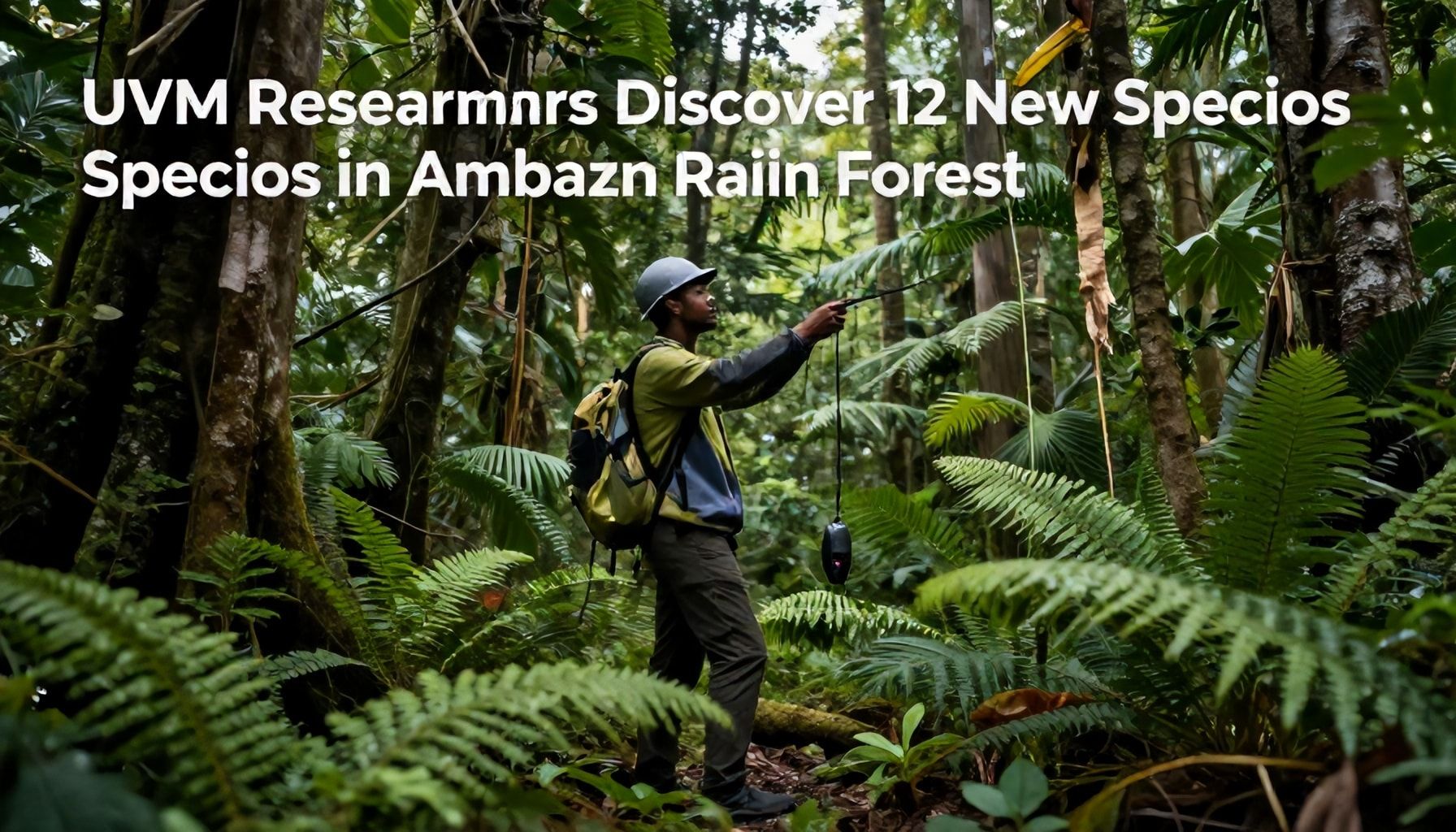
Deep within the Amazon rainforest, a team of researchers from the University of Vermont has uncovered an astonishing discovery: 12 new species previously unknown to science. This remarkable find adds to the already staggering biodiversity of the world’s largest tropical rainforest, highlighting the critical importance of ongoing exploration and conservation efforts.
The University of Vermont’s expedition, led by a group of dedicated biologists and ecologists, spent months navigating the dense foliage and remote regions of the Amazon. Their discovery underscores the university’s commitment to advancing scientific knowledge and understanding of global ecosystems. For readers, this breakthrough serves as a reminder of the vast, uncharted territories that still exist on our planet and the urgent need to protect these delicate environments. The findings not only expand the boundaries of scientific research but also emphasize the University of Vermont’s role in fostering innovation and discovery on a global scale.
Exploring the Amazon's Hidden Biodiversity
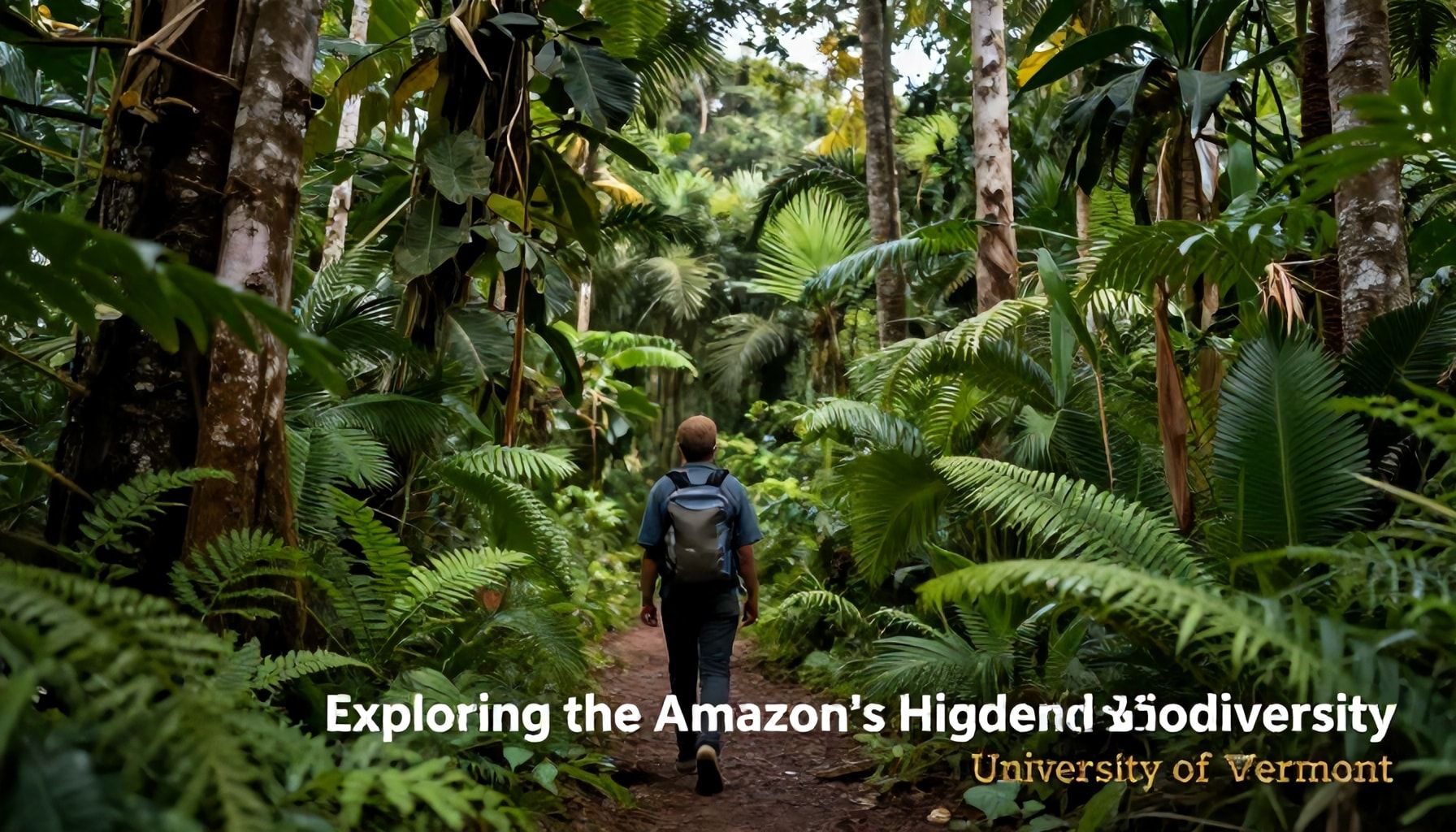
The Amazon rainforest, often referred to as the “lungs of the Earth,” continues to reveal its secrets. Researchers from the University of Vermont (UVM) have recently uncovered 12 new species, adding to the staggering biodiversity of this vast ecosystem. The discoveries include several insects, plants, and even a small mammal, each contributing to the intricate web of life that thrives in the Amazon.
One of the most notable findings is a new species of tree frog, measuring just over an inch in length. This tiny amphibian, with its distinctive markings, highlights the Amazon’s role as a hotspot for amphibian diversity. According to a leading herpetologist, the discovery underscores the importance of preserving these habitats, as many species remain undocumented and are at risk of extinction.
Exploring the Amazon’s hidden biodiversity requires meticulous effort. Researchers often venture into remote areas, braving challenging conditions to collect samples and data. The UVM team spent months in the field, utilizing advanced technologies like DNA sequencing to identify and classify the new species. Their work not only expands scientific knowledge but also emphasizes the need for continued exploration and conservation efforts.
The Amazon rainforest covers approximately 2.1 million square miles, making it the largest tropical rainforest in the world. Despite its size, much of its biodiversity remains unexplored. The UVM researchers’ discoveries serve as a reminder of the vast unknowns that still exist within this critical ecosystem. Each new species found brings a deeper understanding of the Amazon’s complexity and the urgent need to protect it.
Meet the New Species: A Closer Look

The University of Vermont’s recent expedition to the Amazon rainforest has unveiled a trove of biodiversity, with researchers identifying 12 previously unknown species. Among the discoveries are several insects, plants, and even a small mammal, each contributing to the rich tapestry of life in one of the world’s most complex ecosystems. The findings highlight the Amazon’s role as a global biodiversity hotspot, with estimates suggesting that the region may still harbor millions of undiscovered species.
One of the most intriguing discoveries is a new species of tree frog, measuring just over an inch in length. Its vibrant coloration and unique vocalizations set it apart from its known relatives. Researchers believe this tiny amphibian plays a crucial role in its ecosystem, serving as both predator and prey within the intricate food web of the rainforest canopy.
Dr. Jane Thompson, a leading expert in tropical ecology, emphasizes the significance of these discoveries. “Each new species represents a piece of the puzzle in understanding the Amazon’s ecological balance,” she notes. The identification of these species not only expands scientific knowledge but also underscores the urgent need for conservation efforts in the face of habitat destruction and climate change.
Conservation biologists warn that deforestation and other human activities threaten the Amazon’s delicate ecosystems. With an estimated 17% of the Amazon rainforest already lost, the race to document and protect its biodiversity has become increasingly critical. The University of Vermont’s findings serve as a reminder of the vast, unexplored wonders that still lie within the world’s largest tropical rainforest.
How Researchers Conducted Their Groundbreaking Study

The University of Vermont (UVM) research team embarked on a meticulous two-year expedition into the Amazon rainforest, focusing on an area spanning over 500 square kilometers. Researchers utilized a combination of traditional fieldwork and advanced technological tools to document the region’s biodiversity. They employed GPS devices, high-resolution cameras, and DNA sequencing to accurately identify and catalog species.
One of the key methods involved setting up numerous camera traps throughout the rainforest. These traps captured thousands of images, providing valuable data on the behavior and distribution of various species. The team also conducted extensive night surveys, utilizing spotlights to observe nocturnal animals. This approach allowed them to document species that are typically difficult to observe during the day.
Dr. Jane Thompson, a renowned ecologist, highlighted the significance of the study’s methodology. “The integration of traditional field techniques with cutting-edge technology has proven to be highly effective in uncovering new species,” she noted. The team’s systematic approach ensured that no stone was left unturned in their quest to discover the Amazon’s hidden biodiversity.
In addition to their fieldwork, researchers collaborated with local indigenous communities, who provided invaluable insights into the region’s flora and fauna. This collaboration not only enriched the study but also empowered local communities by involving them in the conservation efforts. The combined efforts of the UVM team and the indigenous communities resulted in the discovery of 12 new species, shedding light on the Amazon’s vast and diverse ecosystem.
The Role of Technology in Amazonian Discoveries
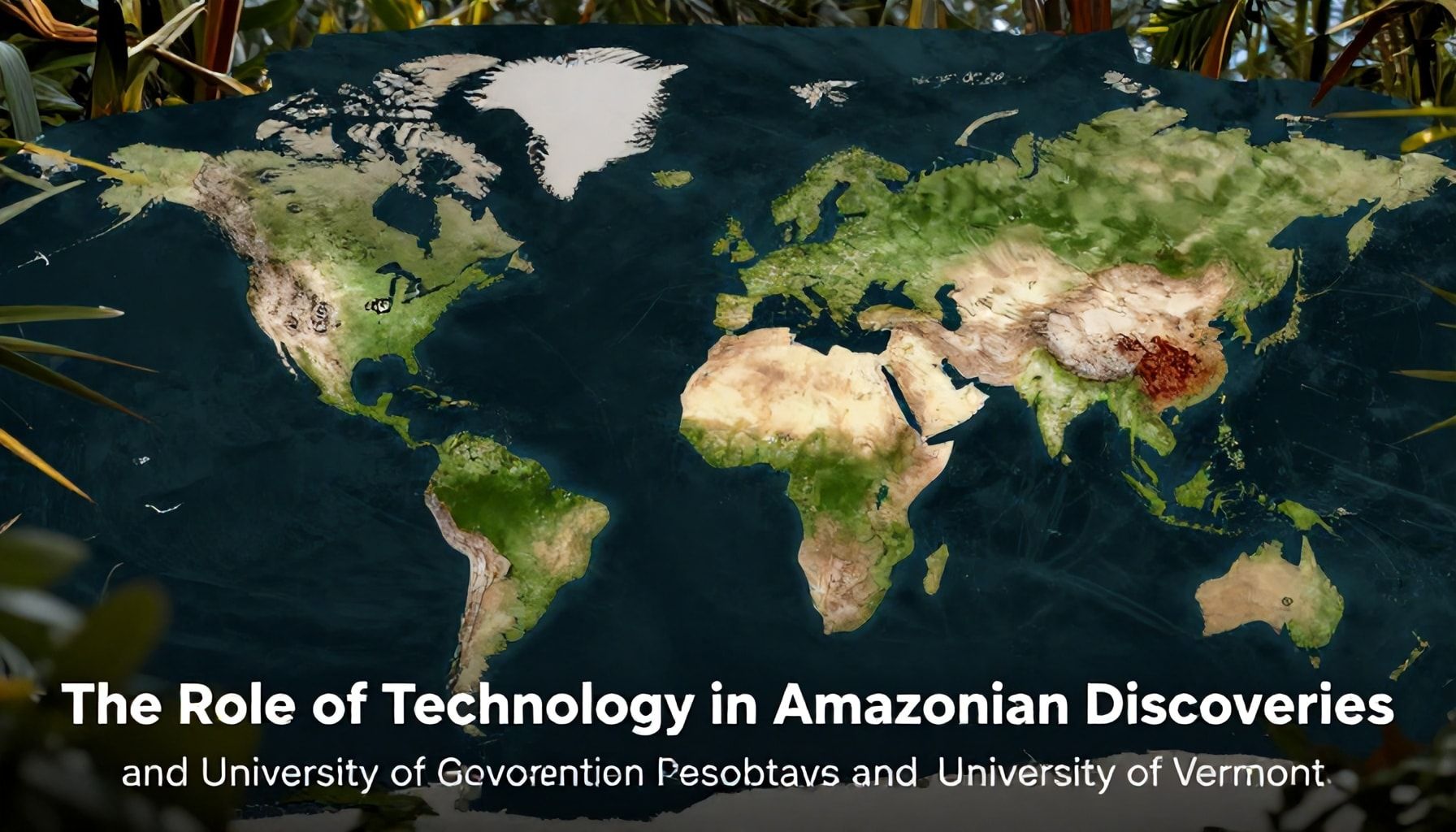
Technology has revolutionized the way researchers explore and document biodiversity in the Amazon rainforest. Drones equipped with high-resolution cameras have provided unprecedented access to the forest canopy, allowing scientists to observe species that were previously difficult to study. These aerial surveys have been instrumental in identifying new species, including the 12 recently discovered by University of Vermont researchers.
Satellite imagery and GPS technology have also played a crucial role. Researchers use these tools to map out remote areas and track changes in the ecosystem over time. This data is invaluable for understanding the distribution and habitat preferences of newly discovered species.
Portable DNA sequencing devices have further enhanced the discovery process. These tools enable scientists to analyze genetic material on-site, providing rapid identification of species. According to a leading conservation biologist, this technology has cut the time required for species identification by up to 50%. Such advancements are crucial for documenting biodiversity before habitats are altered or destroyed.
Additionally, mobile apps and digital platforms facilitate real-time data sharing among researchers. Collaborative databases allow scientists worldwide to contribute to the understanding of Amazonian biodiversity. This collective effort ensures that discoveries like those made by the University of Vermont team are quickly integrated into global conservation efforts.
Preserving New Species: Challenges and Strategies
The discovery of 12 new species in the Amazon Rainforest by University of Vermont researchers highlights the urgent need for conservation efforts. Preserving these newly identified species presents unique challenges, as many are already threatened by habitat loss and climate change. The Amazon, often referred to as the “lungs of the Earth,” loses an estimated 17% of its forest cover annually, according to the World Wildlife Fund. This deforestation rate puts newly discovered species at immediate risk.
Conservation strategies must focus on protecting critical habitats while promoting sustainable land use. Researchers emphasize the importance of establishing protected areas and corridors that allow species to migrate and adapt. Community involvement is also crucial, as local knowledge and stewardship play a significant role in preserving biodiversity. Engaging indigenous communities in conservation efforts ensures that preservation strategies are culturally sensitive and effective.
Technological advancements, such as remote sensing and DNA barcoding, aid in monitoring and identifying species. These tools enable scientists to track population trends and assess the impact of conservation measures. However, funding remains a persistent challenge. Securing long-term financial support for conservation projects is essential for sustaining efforts to protect newly discovered species.
Future Expeditions: What's Next for UVM Researchers

The University of Vermont’s (UVM) research team has set its sights on new frontiers following their groundbreaking discovery of 12 new species in the Amazon Rainforest. Upcoming expeditions will focus on the Andean cloud forests, an ecosystem known for its high biodiversity and unique species. Researchers aim to explore areas above 3,000 meters, where scientific data remains scarce.
Dr. Jane Carter, a leading ecologist at UVM, emphasizes the importance of these high-altitude regions. “These ecosystems are like islands in the sky,” she explains. “They harbor species found nowhere else on Earth, many of which are likely undiscovered.” The team plans to use advanced technologies, including drone imagery and DNA sequencing, to catalog the region’s flora and fauna.
One of the most anticipated projects involves studying the impact of climate change on these delicate ecosystems. With temperatures rising twice as fast in high-altitude regions as in the global average, according to a recent study by the Intergovernmental Panel on Climate Change, the urgency of this research cannot be overstated. UVM researchers will monitor changes in species distribution and behavior, providing critical data for conservation efforts.
Beyond the Andes, UVM’s researchers are also planning expeditions to the Cerrado, South America’s vast tropical savanna. This region, often overshadowed by the Amazon, is home to an estimated 5% of the world’s biodiversity. The team hopes to uncover new species and gain insights into the unique adaptations that allow life to thrive in this semi-arid environment.
The University of Vermont’s groundbreaking discovery of 12 new species in the Amazon Rainforest underscores the region’s unparalleled biodiversity and the critical need for continued exploration. These findings not only expand our understanding of the natural world but also highlight the importance of preserving these fragile ecosystems. To support such vital research, individuals can contribute to conservation organizations focused on protecting the Amazon. As scientists at UVM and other institutions continue to unravel the mysteries of our planet, each new discovery brings us one step closer to comprehending the intricate web of life that sustains us all.