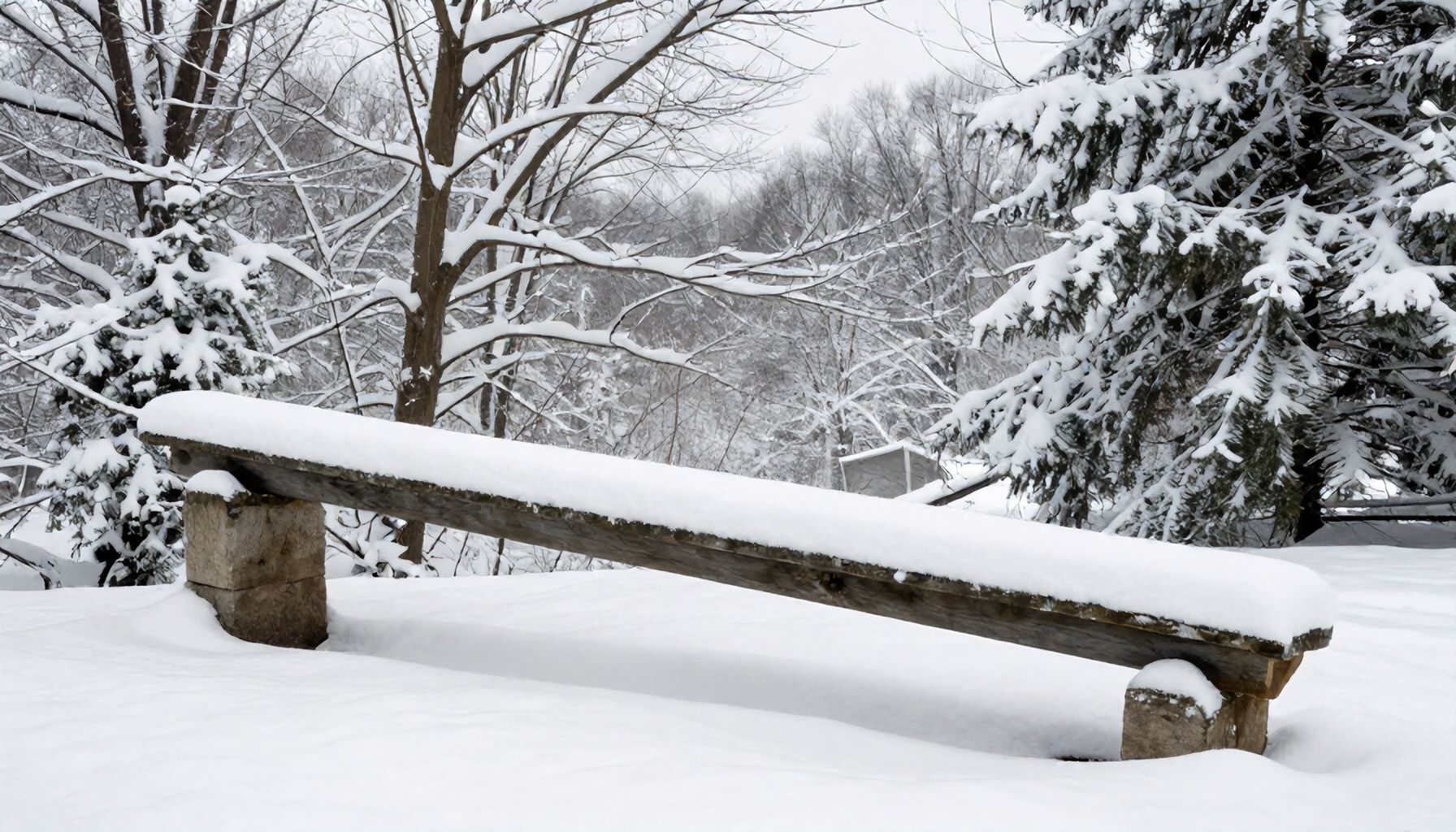
Vermont is preparing for its most significant snowfall in recent history, with meteorologists predicting a record-breaking 12 inches of snow. The state, known for its picturesque winters, is bracing for a storm that could disrupt daily life and test the limits of local infrastructure. Residents are urged to prepare for extended periods indoors, as the heavy snowfall may lead to power outages and hazardous travel conditions.
The weather at Vermont plays a crucial role in the state’s identity and economy, attracting tourists seeking winter sports and scenic beauty. However, the impending storm serves as a stark reminder of the challenges posed by extreme weather. The weather at Vermont can shift rapidly, and this upcoming snowfall is expected to bring not only heavy snow but also strong winds, creating blizzard-like conditions. Authorities are advising residents to stock up on essentials, secure their homes, and avoid unnecessary travel as the state gears up to face this formidable weather event.
Vermont's Historic Snowfall Pattern
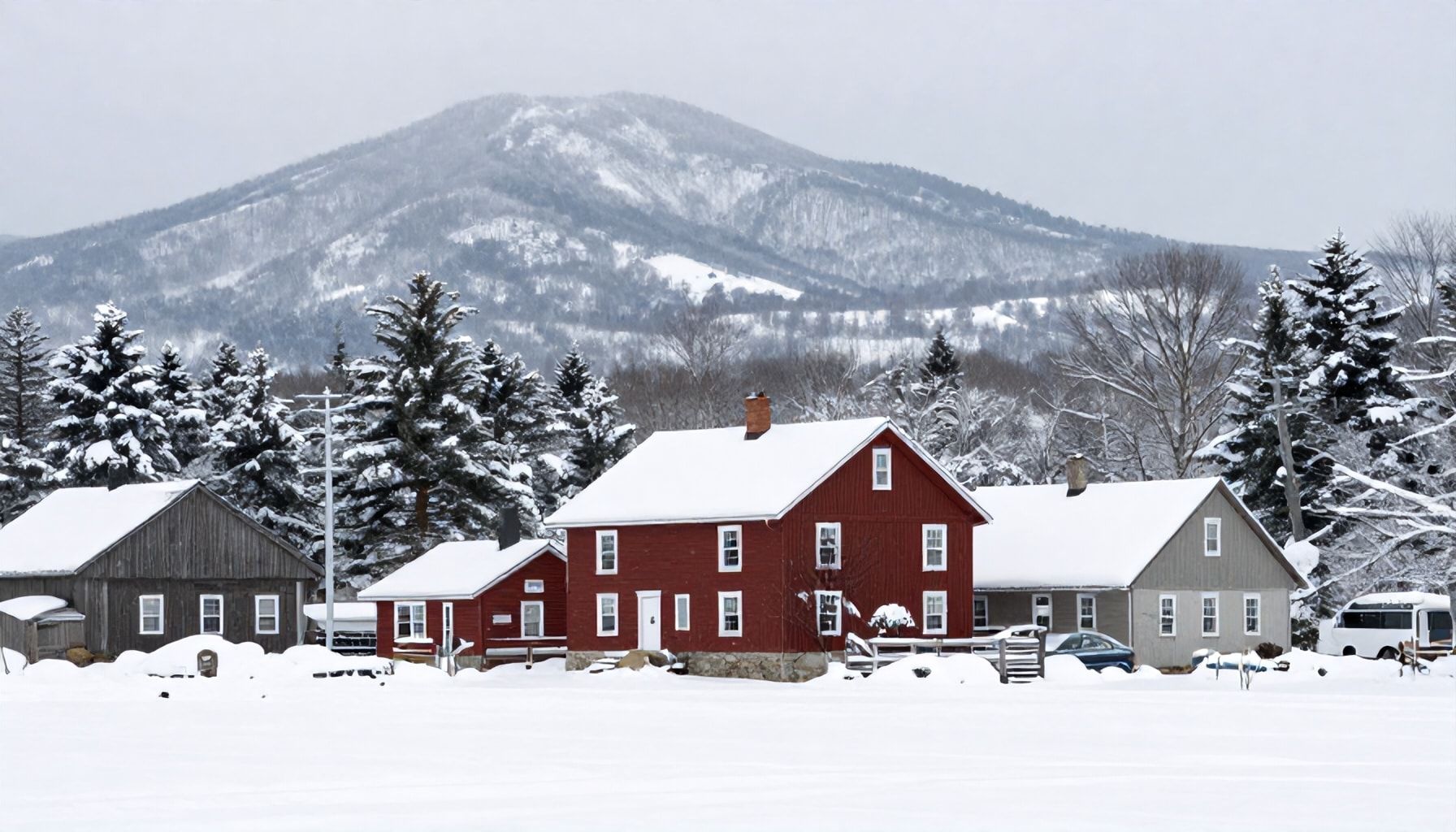
Vermont’s snowfall patterns have long been a subject of fascination for meteorologists. The state’s historic records show an average annual snowfall ranging from 80 to 100 inches, with higher elevations often exceeding these figures. The Green Mountains, in particular, act as a natural barrier, enhancing snowfall through orographic lift. This phenomenon occurs when moist air is forced upward, cooling and releasing precipitation as snow.
Climate data from the National Oceanic and Atmospheric Administration (NOAA) reveals that Vermont has experienced several significant snowfall events over the past century. One notable example is the blizzard of 1993, which dumped over 40 inches of snow in some areas. Such events underscore the state’s vulnerability to extreme winter weather. The upcoming forecast of 12 inches of snow, while substantial, is not unprecedented but still poses challenges for residents and infrastructure.
Local meteorologists emphasize the importance of preparedness. Vermont’s snowfall patterns are influenced by its geography and proximity to the Great Lakes. Cold air masses from Canada often collide with moist air from the Atlantic, creating ideal conditions for heavy snowfall. Understanding these patterns helps communities better prepare for winter storms.
Despite the challenges, Vermont’s snowfall is a vital part of its economy and culture. Ski resorts and winter tourism rely heavily on consistent snowfall. The state’s residents have developed a resilience to harsh winters, adapting their lifestyles and infrastructure to cope with heavy snow. This adaptability is a testament to the community’s strength and resourcefulness.
Meteorologists Warn of Impending Storm
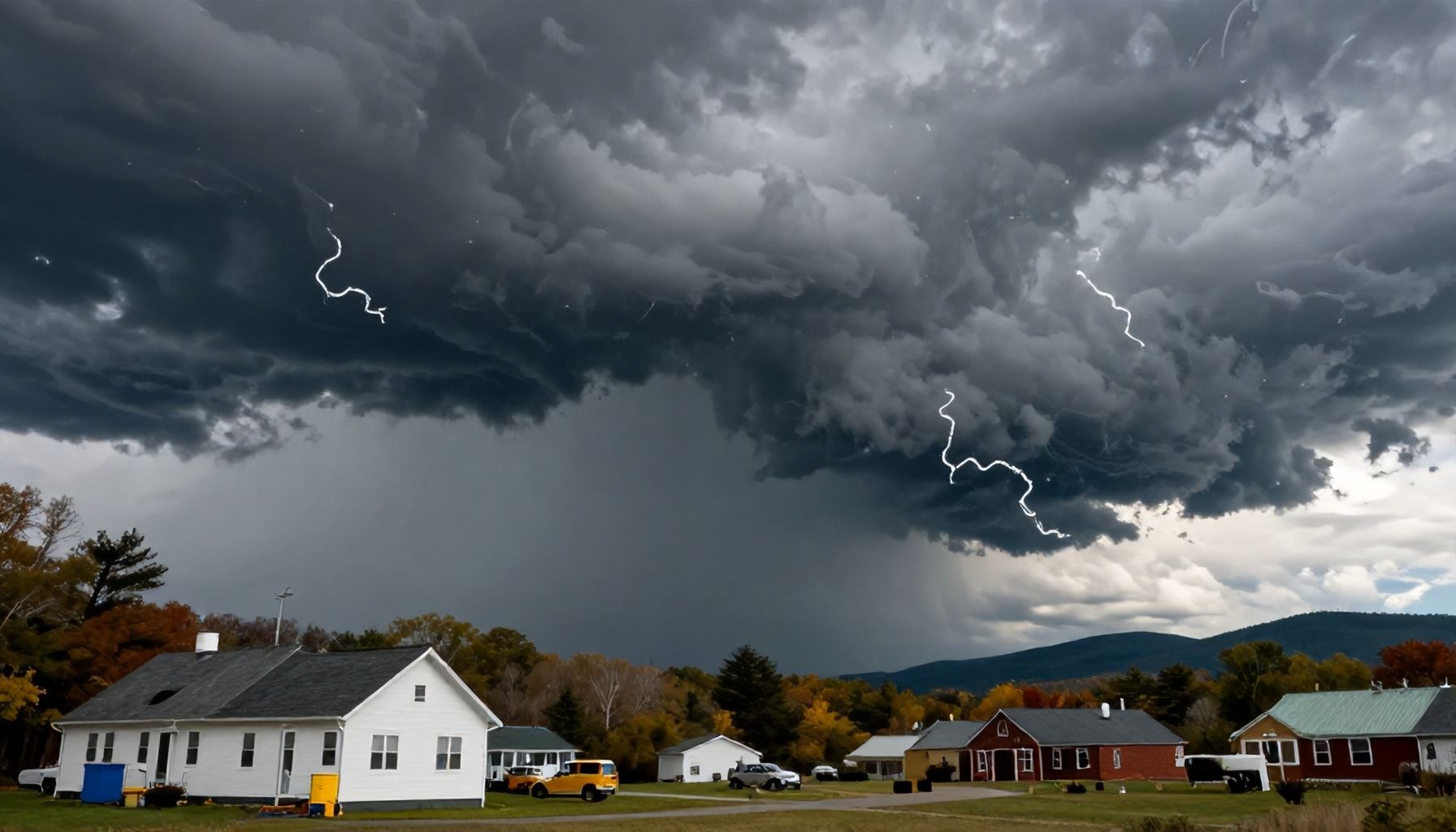
Meteorologists across Vermont are issuing urgent warnings as a powerful winter storm approaches, promising to dump record-breaking snowfall. The National Weather Service predicts up to 12 inches of snow, with some areas potentially seeing even higher accumulations. Residents are urged to prepare for hazardous travel conditions and possible power outages as the storm intensifies.
According to senior meteorologists, this storm system is particularly concerning due to its rapid development and the cold air in place. “The combination of heavy snow and strong winds will create blizzard-like conditions,” warns a meteorologist from the National Weather Service. Travel is expected to become increasingly difficult as the day progresses, with road closures likely in the hardest-hit areas.
Local authorities are taking proactive measures to mitigate the storm’s impact. Plow trucks and salt spreaders are on standby, ready to deploy as soon as the snow begins. Emergency management teams are also preparing shelters and coordinating with utility companies to ensure a swift response to any outages. Residents are advised to stock up on essentials and stay informed through official weather updates.
With wind gusts expected to reach 40 mph, the storm poses a significant risk to both life and property. Downed trees and power lines are a major concern, particularly in areas with dense foliage. Meteorologists emphasize the importance of staying indoors during the height of the storm and avoiding unnecessary travel. The storm is forecast to move out of the region by late evening, leaving behind a blanket of snow that could take days to clear.
Communities Prepare for Heavy Snowfall
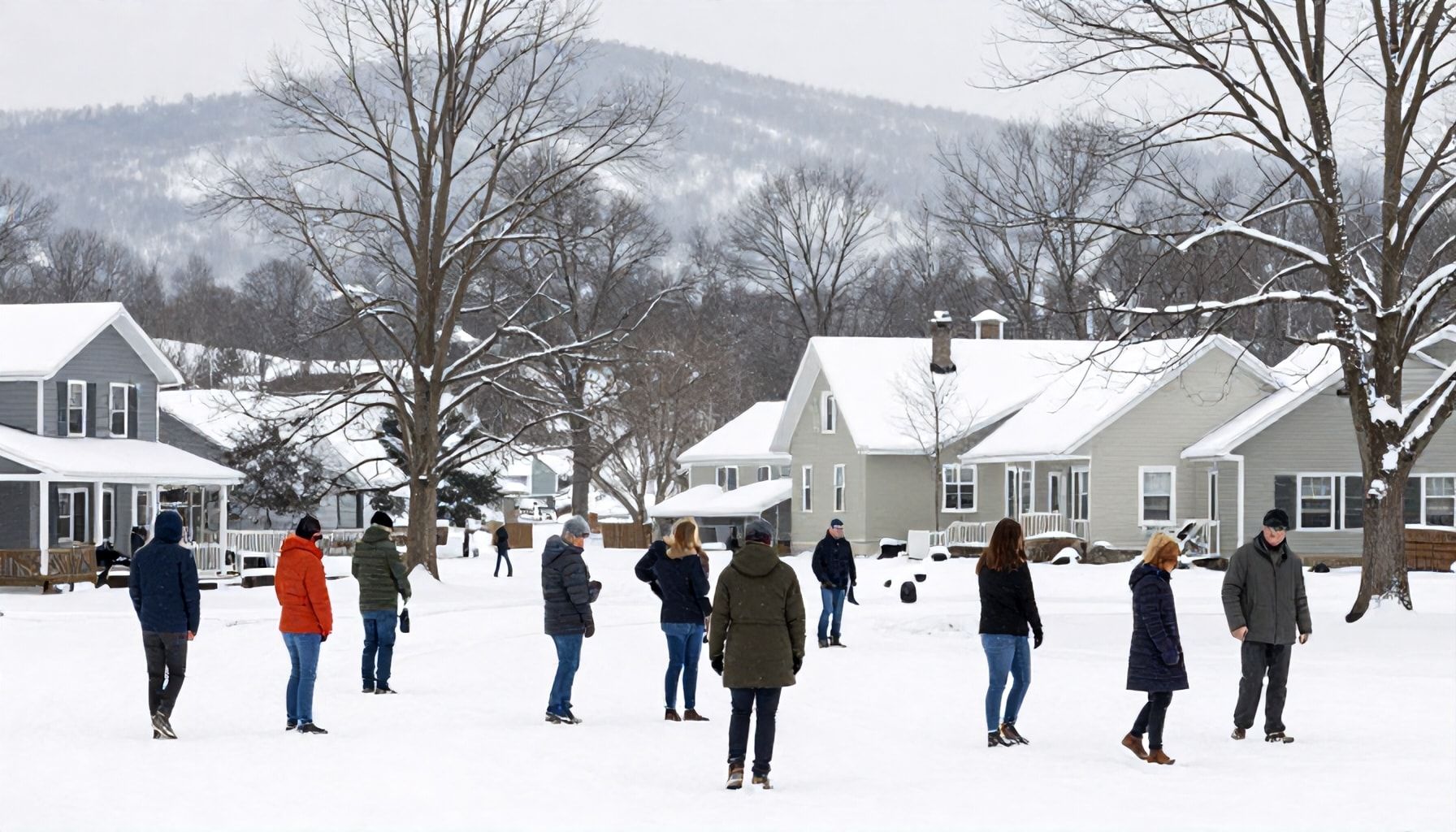
Across Vermont, communities are mobilizing as meteorologists predict a record-breaking snowfall of up to 12 inches. Local governments have activated emergency response teams, ensuring snowplows and salt trucks are ready to deploy. Schools and businesses are preparing contingency plans, with some already announcing closures for the duration of the storm.
Residents are stocking up on essentials, with grocery stores reporting a surge in purchases of food, water, and other supplies. Hardware stores have seen an increase in sales of snow shovels, generators, and other winter preparedness items. The Vermont Agency of Transportation has advised drivers to stay off the roads during the heaviest snowfall, urging everyone to allow plows to clear the streets efficiently.
According to the National Weather Service, this storm has the potential to bring the highest snowfall totals in over a decade. Meteorologists warn of possible power outages and hazardous travel conditions, emphasizing the importance of preparedness. The Vermont Department of Health has issued reminders about staying warm and safe, particularly for vulnerable populations.
Community centers and shelters are opening their doors to those in need of warmth and assistance. Local volunteers are organizing efforts to check on elderly neighbors and ensure everyone has access to necessary resources. The spirit of community resilience is evident as Vermonters come together to face the impending storm.
Travel Advisories Issued Statewide
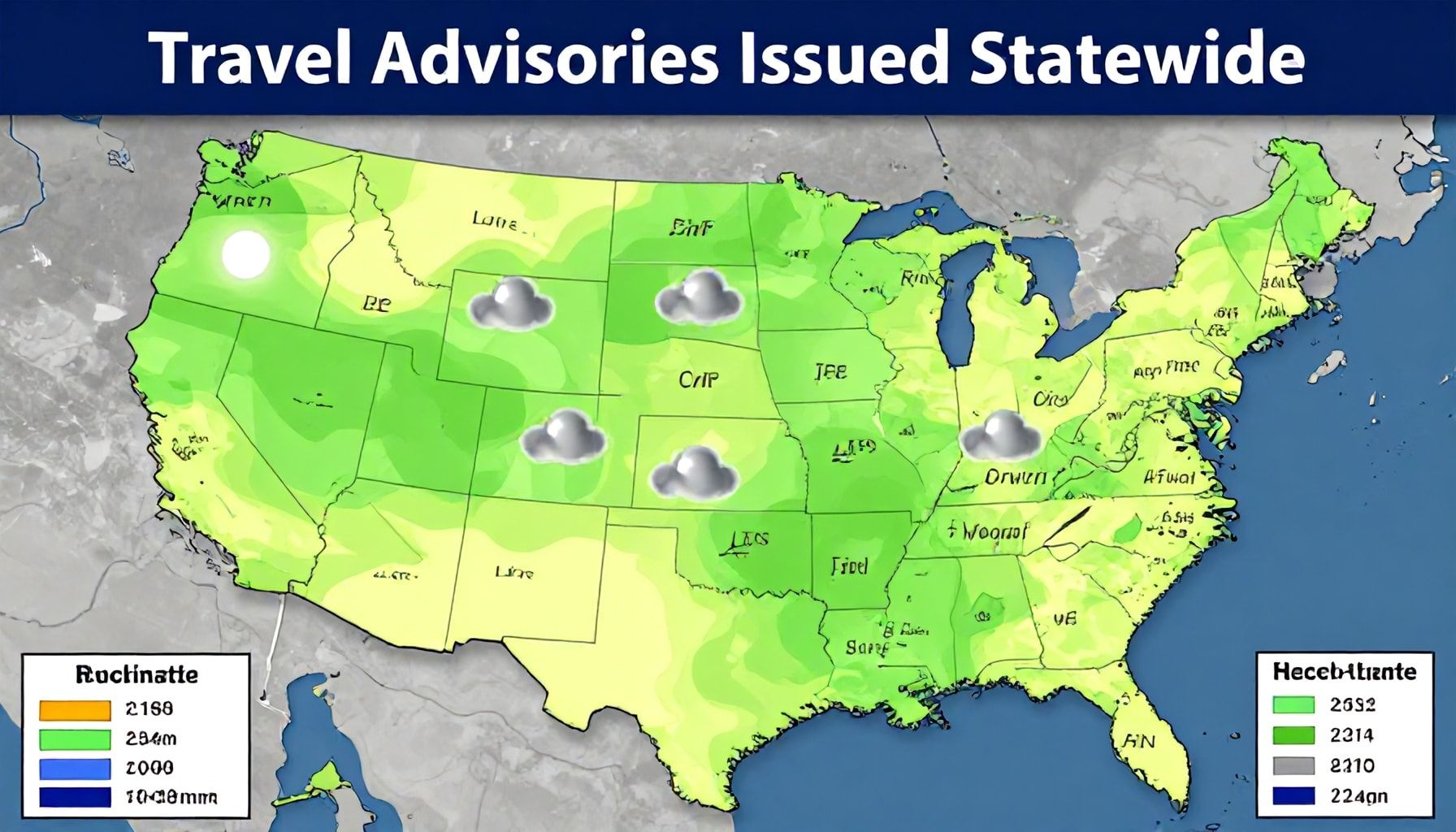
State officials have issued travel advisories across Vermont as the region prepares for a historic snowfall. The National Weather Service warns of a 12-inch accumulation, with some areas potentially receiving up to 16 inches. Residents are urged to avoid unnecessary travel, as road conditions are expected to deteriorate rapidly.
Emergency management teams are on high alert. According to a spokesperson from the Vermont Agency of Transportation, plows and salt trucks are pre-positioned to respond to the storm. “Our crews are ready to work around the clock to keep roads passable,” the spokesperson stated.
School districts statewide have announced closures for Monday, anticipating hazardous conditions. Airlines at Burlington International Airport have begun canceling flights, with delays expected to continue throughout the day. Travelers are advised to check with their airlines for the latest updates.
A meteorologist from a local weather service emphasized the storm’s severity. “This is a significant weather event,” they said. “We’re urging everyone to stay indoors and avoid non-essential travel until conditions improve.”
Emergency Services on High Alert

Emergency responders across Vermont are preparing for the worst as meteorologists predict a historic snowfall. State officials have activated the Vermont Emergency Operations Center, coordinating with local agencies to ensure readiness. National Guard units stand prepared to assist with snow removal and emergency response if needed.
Vermont’s Department of Health has issued reminders about winter safety, emphasizing the importance of preparing for power outages and extreme cold. The state’s emergency management director urged residents to stock up on essentials and create an emergency plan. Snowfall of this magnitude can lead to hazardous road conditions and increased risk of accidents.
A meteorologist from the National Weather Service warned that the storm could bring 12 inches or more of snow, with drifting and whiteout conditions possible. The last time Vermont saw snowfall of this scale was in 2010, when a similar storm left parts of the state paralyzed for days. Emergency services are urging residents to stay off the roads during the storm’s peak.
Local hospitals have also taken precautions, ensuring they have adequate staff and supplies to handle any surge in weather-related injuries. Schools and businesses are advised to monitor updates and follow the guidance of local authorities. The state’s transportation department has pre-treated major roads with brine and has salt trucks ready to deploy as needed.
Long-Term Impact on Infrastructure
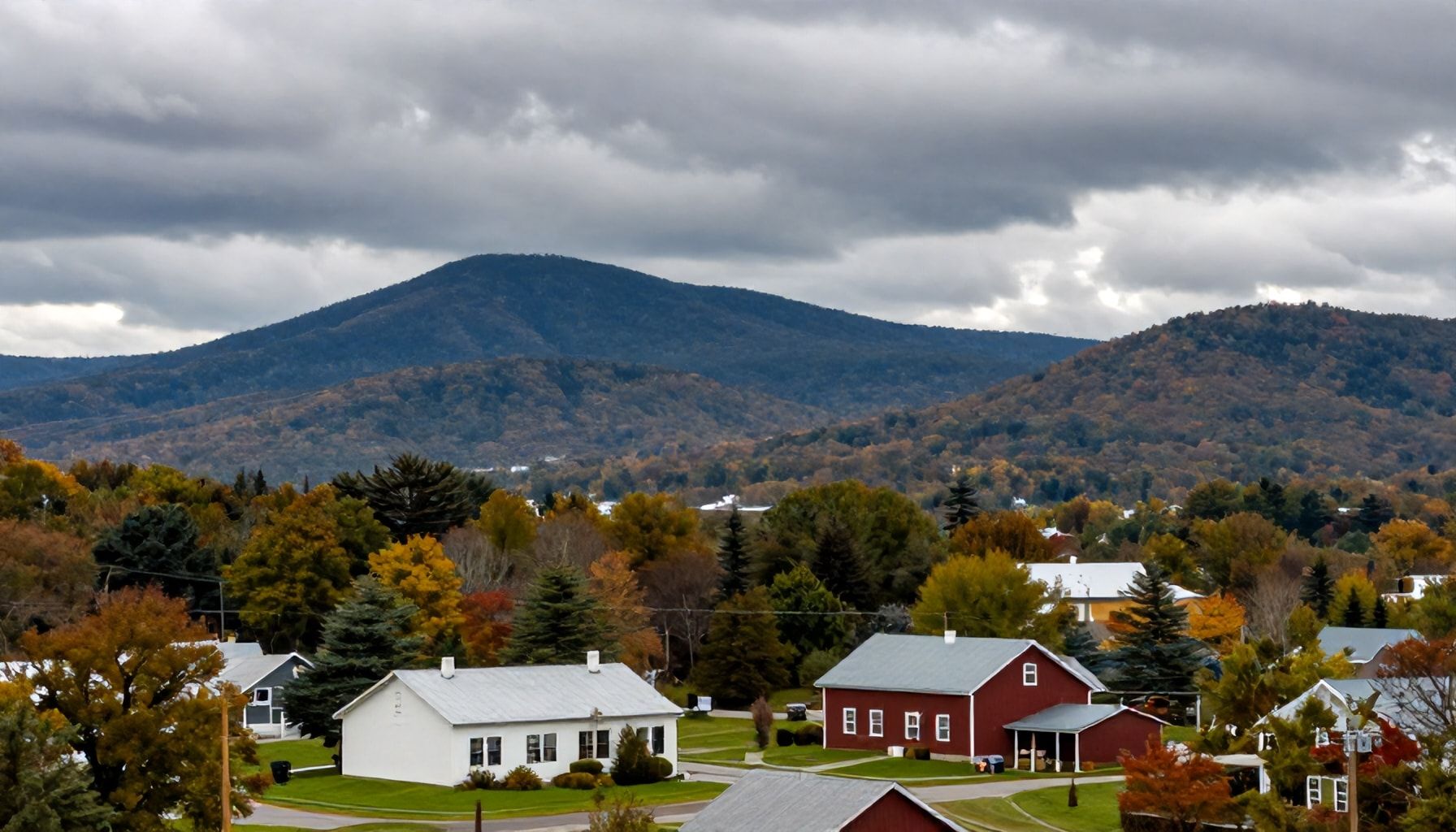
Vermont’s infrastructure faces significant challenges as the state prepares for a historic snowfall. Roads, already stressed from previous winter storms, will bear the brunt of the heavy, wet snow. The Vermont Agency of Transportation has pre-positioned plows and salt trucks, but the sheer volume of snow may test their capacity. Power lines, particularly in rural areas, are vulnerable to the weight of the snow, which could lead to widespread outages.
Local officials warn that the prolonged cold and snow will exacerbate existing issues. Many roads, especially in mountainous regions, may become impassable, stranding residents and disrupting supply chains. The state’s emergency management team has activated its winter response plan, but the scale of the storm presents unique difficulties. Residents are urged to stock up on essentials and prepare for extended periods without power or transportation.
A climate scientist from the University of Vermont notes that such extreme weather events are becoming more frequent due to climate change. The state’s infrastructure, designed for historical weather patterns, is increasingly strained by these new conditions. Long-term solutions, such as improved road design and more resilient power grids, are necessary to mitigate future risks. However, these changes require significant investment and planning.
In the immediate term, Vermont’s focus is on managing the current crisis. The National Guard has been placed on standby to assist with rescue and recovery efforts. Community centers and schools are being prepared as emergency shelters. The state’s ability to respond effectively will depend on coordination between local, state, and federal agencies. The long-term impact on infrastructure will be a critical topic in the coming months as Vermont recovers from this unprecedented winter event.
Vermont residents are preparing for a historic winter event as meteorologists predict a record-breaking 12-inch snowfall, with the heaviest bands expected to hit the state’s northern regions. To ensure safety, officials advise stocking up on essentials, winterizing vehicles, and avoiding unnecessary travel during the storm’s peak. As the state braces for this significant weather event, communities are coming together to support one another, demonstrating the resilience and spirit that define Vermont.