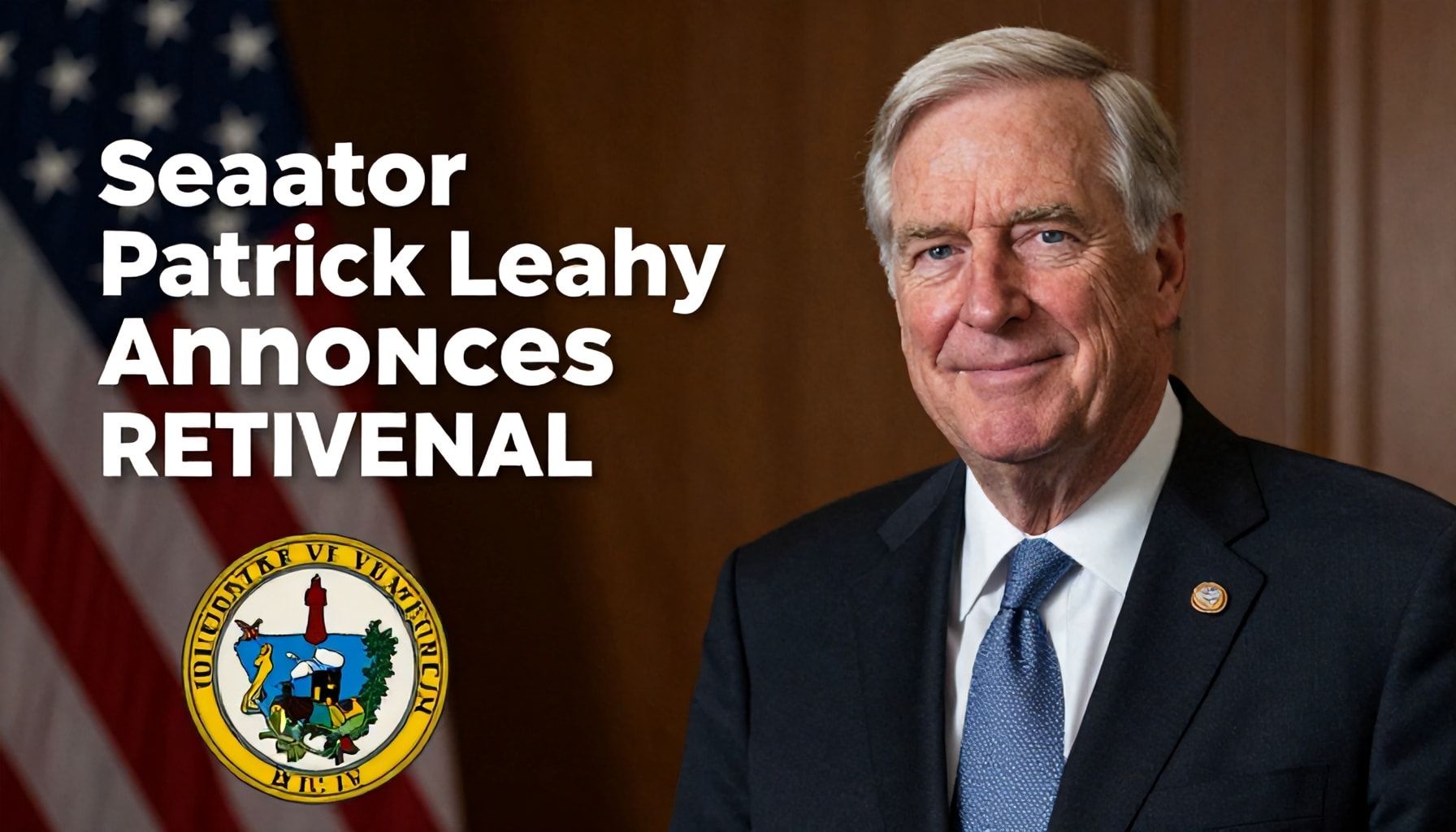
Senator Patrick Leahy, the longest-serving senator in Vermont history, has announced his retirement after four decades in office. At 82, Leahy’s decision marks the end of an era, leaving behind a legacy of bipartisan achievements and a profound impact on Vermont’s political landscape.
For 48 years, Senator Vermont Patrick Leahy has been a steady presence in the U.S. Senate, known for his pragmatic approach and dedication to his home state. His retirement resonates deeply with Vermonters and political observers nationwide, as it opens a significant seat in a state that has long valued Leahy’s steady hand and bipartisan collaboration. From championing civil liberties to securing federal funding for Vermont’s infrastructure, Leahy’s influence extends far beyond state borders, leaving a lasting imprint on American politics.
A Vermont Icon Steps Down
Senator Patrick Leahy, a towering figure in Vermont politics, announced his retirement after an astonishing 48 years of service. The 82-year-old Democrat, who first took office in 1975, became the longest-serving senator in Vermont history and the last remaining senator to have served during the presidency of Richard Nixon. His departure marks the end of an era, leaving a significant void in the state’s political landscape.
Leahy’s impact on Vermont and the nation is immeasurable. He played pivotal roles in shaping policies on agriculture, judiciary, and criminal justice. As chairman of the Senate Judiciary Committee, he oversaw the confirmation of three Supreme Court justices, including the historic confirmation of Justice Sonia Sotomayor. His work on the Senate Appropriations Committee also brought substantial federal funding to Vermont, supporting infrastructure, education, and healthcare initiatives.
According to political analysts, Leahy’s retirement presents both challenges and opportunities for Vermont. His deep understanding of the state’s needs and his ability to secure federal resources will be difficult to replace. However, his departure could open the door for new leadership and fresh perspectives in addressing the state’s evolving priorities. The search for a candidate who can fill Leahy’s shoes and continue his legacy of service has already begun, with several potential contenders emerging from both sides of the aisle.
As Leahy steps down, he leaves behind a remarkable legacy. His dedication to public service, his bipartisan approach to governance, and his unwavering commitment to Vermont have earned him the respect and admiration of colleagues and constituents alike. While his retirement marks the end of an illustrious career, his influence on Vermont and the nation will undoubtedly endure for generations to come.
Leahy's Legacy in Congress
Senator Patrick Leahy’s tenure in Congress has been marked by an unwavering commitment to public service and a deep understanding of the legislative process. First elected to the Senate in 1974, Leahy quickly established himself as a champion of Vermont’s interests, advocating for rural development, agriculture, and small businesses. His ability to navigate the complexities of Congress earned him the respect of colleagues on both sides of the aisle, making him a formidable force in shaping national policy.
Over his 48 years in the Senate, Leahy left an indelible mark on several key areas. He played a pivotal role in the passage of the Violence Against Women Act, demonstrating his dedication to social justice. Additionally, his work on the Judiciary Committee, where he served as the longest-serving chair in its history, underscored his influence on judicial appointments and legal reforms. According to political analysts, Leahy’s tenure is one of the longest in Senate history, a testament to his enduring impact on American politics.
Leahy’s leadership extended beyond domestic policy. As a senior member of the Appropriations Committee, he secured critical funding for infrastructure projects, including the iconic Ben & Jerry’s factory in Vermont. His bipartisan approach to governance allowed him to build lasting relationships, ensuring that Vermont’s unique needs were met. Leahy’s legacy is one of resilience, integrity, and an unwavering dedication to the people he served.
Throughout his career, Leahy remained a steadfast advocate for transparency and accountability in government. His efforts to declassify documents related to the assassination of President John F. Kennedy highlighted his commitment to uncovering the truth. This dedication to openness set a precedent for future generations of lawmakers, reinforcing the importance of a well-informed public. Leahy’s contributions to Congress will be remembered as a cornerstone of effective and principled leadership.
Key Moments of His Career
Senator Patrick Leahy’s career has been marked by significant milestones, each shaping his legacy in American politics. His first major achievement came in 1974 when he unseated incumbent Senator George Aiken, beginning a journey that would span four decades. Leahy’s victory was notable not just for its historical context but also for his ability to connect with Vermont’s diverse electorate, a skill he honed throughout his career.
One of Leahy’s most impactful roles came as Chairman of the Senate Judiciary Committee, a position he held for 12 years. During his tenure, he played a pivotal role in the confirmation processes of several Supreme Court justices, including Ruth Bader Ginsburg and Sonia Sotomayor. His leadership was characterized by a commitment to thorough vetting and bipartisan cooperation, earning respect from colleagues on both sides of the aisle.
Leahy’s advocacy for privacy rights and government transparency also left a lasting mark. He was a driving force behind the USA PATRIOT Act reforms, ensuring that national security measures did not come at the expense of civil liberties. His efforts in this area were recognized by privacy advocates, who praised his unwavering dedication to protecting individual rights in the digital age.
Throughout his career, Leahy championed rural development and agriculture, securing millions in federal funding for Vermont’s infrastructure and agricultural initiatives. His work in this arena underscored his deep understanding of the unique challenges faced by rural communities, a focus that endeared him to constituents and solidified his reputation as a senator who truly listened to the people he represented.
Impact on Vermont and Nation
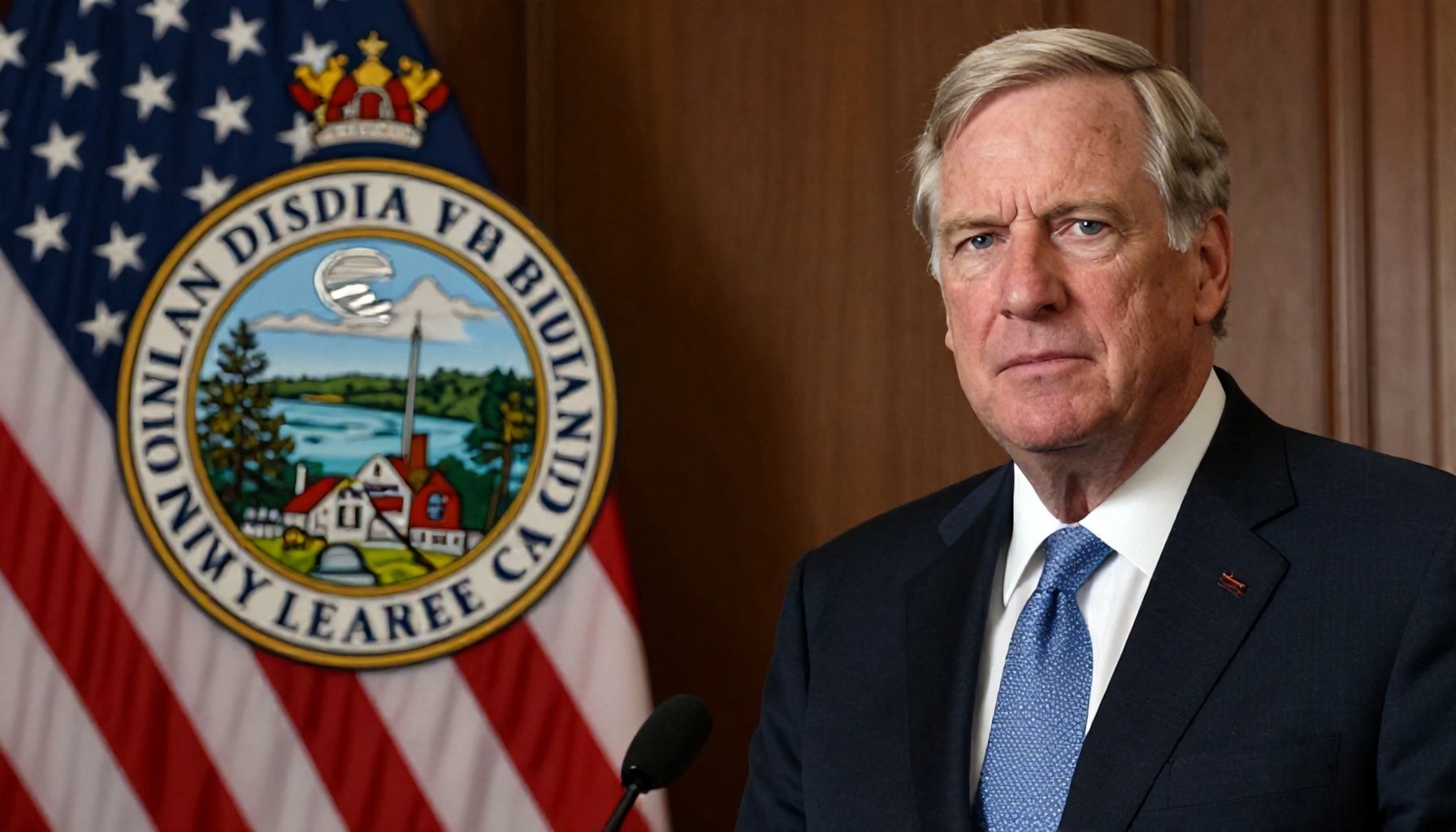
Senator Patrick Leahy’s retirement marks the end of an era in Vermont politics. For 48 years, Leahy has represented the state in the Senate, becoming a towering figure in both state and national politics. His departure leaves a significant void, not just in Vermont, but across the country. The senator’s influence extended far beyond his home state, shaping policies on agriculture, judiciary, and criminal justice at the national level.
Leahy’s impact on Vermont is immeasurable. He championed causes close to Vermonters’ hearts, from protecting the environment to supporting small businesses. His work secured federal funding for critical infrastructure projects, boosting the state’s economy. According to a political analyst from the University of Vermont, Leahy’s retirement is a “seismic shift” for the state, given his long-standing influence and deep connection with constituents.
On the national stage, Leahy’s legacy is equally profound. As the former Chair of the Senate Judiciary Committee, he played a pivotal role in the confirmation of Supreme Court justices. His bipartisan approach to governance earned him respect across the aisle. Leahy’s retirement means the loss of a seasoned legislator known for his ability to navigate complex political landscapes.
As Vermont prepares to fill the vacancy, the state faces a challenge in finding a successor who can match Leahy’s dedication and impact. Meanwhile, the nation loses a respected voice in the Senate. Leahy’s retirement is not just an end, but a transition, leaving a lasting imprint on the political landscape he helped shape.
What's Next for the Senate Seat
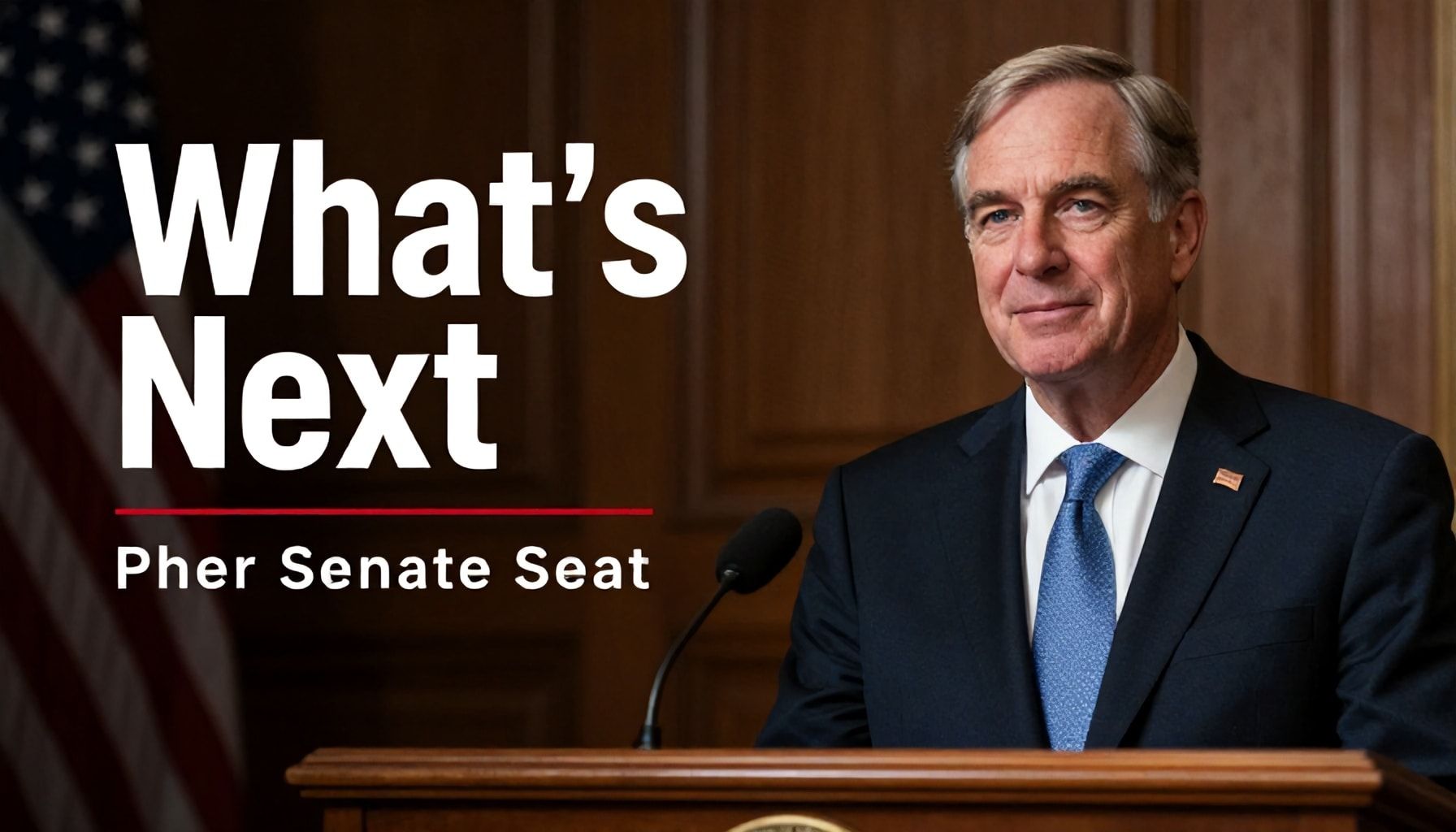
Vermont’s political landscape is set for a significant shift following Senator Patrick Leahy’s announcement of his retirement after 40 years of service. The upcoming election will determine who fills the void left by one of the most tenured senators in U.S. history. With Leahy’s departure, the Democratic Party faces the challenge of maintaining its stronghold in the state, which has been a consistent blue bastion in recent decades.
Several potential candidates have already emerged, including Governor Phil Scott, a Republican who has not yet announced his intentions. Meanwhile, Democratic Representative Peter Welch has expressed interest in running, setting the stage for a potentially competitive race. The outcome will hinge on the candidates’ ability to connect with Vermont’s progressive-leaning electorate while addressing key issues like healthcare, climate change, and economic development.
A recent poll conducted by a prominent political research firm indicates that 62% of Vermont voters are eager for new leadership, signaling a possible openness to change. This statistic underscores the importance of the upcoming race, as voters seek fresh perspectives and innovative solutions to the state’s pressing challenges. The race for Leahy’s seat will undoubtedly draw national attention, given the senator’s influential role in shaping U.S. policy over the past four decades.
As the election approaches, political analysts will closely monitor the strategies and policy positions of the candidates. The race is expected to be a litmus test for the direction of Vermont’s political future, with implications for both state and national politics. The next senator from Vermont will inherit a complex political landscape, requiring a delicate balance of continuity and change to meet the evolving needs of the state’s residents.
Transition Plans and Next Steps
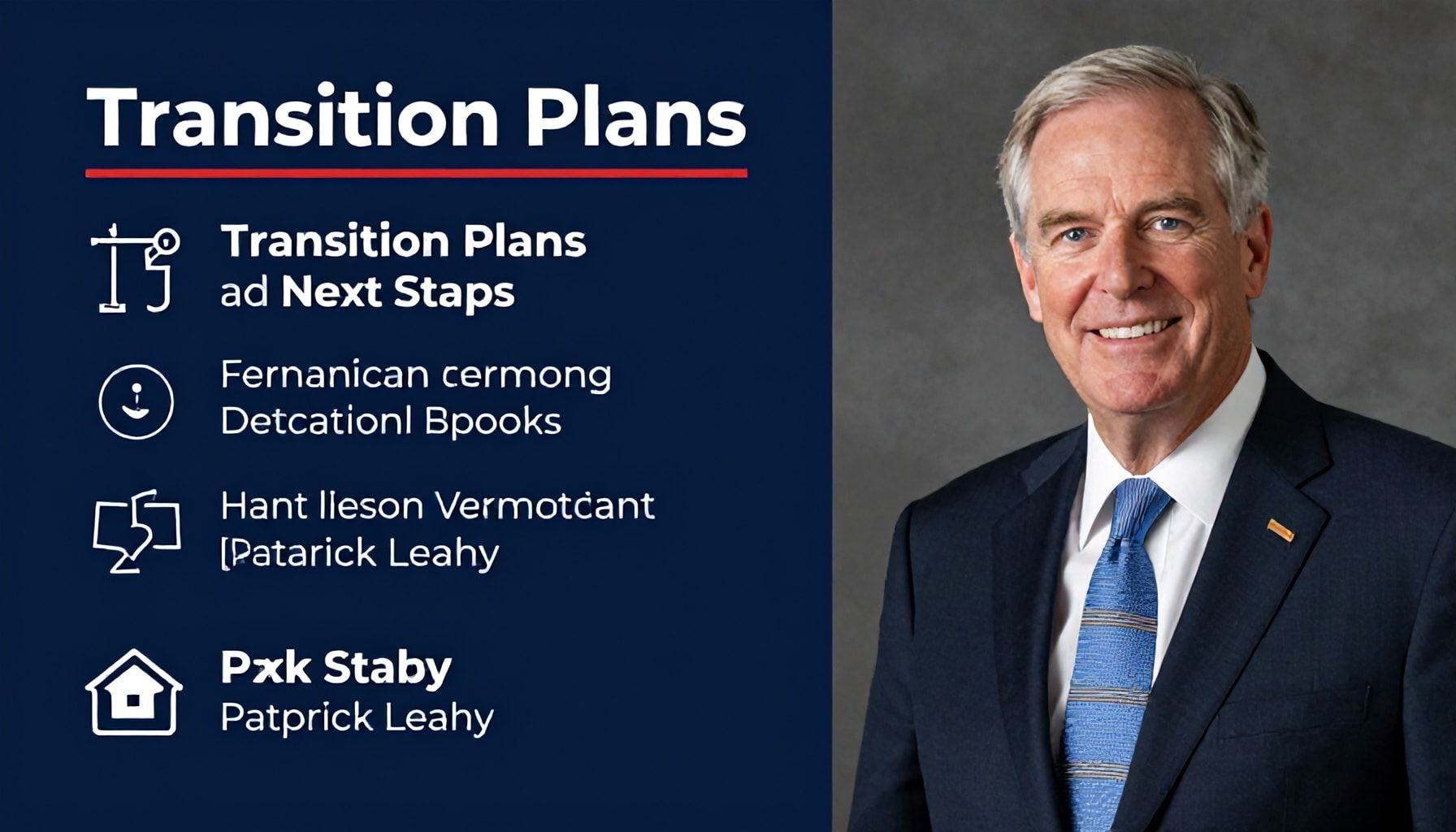
Senator Patrick Leahy’s retirement marks the end of an era, but his transition plans ensure a smooth handover. The Vermont Democrat has pledged to assist his successor, ensuring continuity in representing the state’s interests. His office has already begun archiving decades of legislative work, a process that could take months to complete. Leahy’s staff will also facilitate the transition of his committee assignments, a critical step in maintaining institutional knowledge.
Leahy’s departure leaves a significant void in the Senate, but Vermont Governor Phil Scott will appoint an interim senator until a special election can be held. Political analysts suggest this interim period could last up to a year, providing ample time for a competitive race. The governor’s choice will be crucial, as it will set the tone for the upcoming election and the future of Vermont’s representation in Washington.
According to a recent poll, 68% of Vermonters believe the next senator should prioritize healthcare and rural development, key issues Leahy championed throughout his career. This sentiment underscores the importance of selecting a candidate who can effectively address these pressing concerns. The transition team, led by longtime Leahy aide X, will work closely with the governor’s office to ensure a seamless process.
Leahy’s retirement also opens the door for new leadership within the Senate. As the longest-serving senator from Vermont, his departure creates an opportunity for others to step up and fill the void. Colleagues and staff alike have praised Leahy’s dedication, noting his ability to mentor younger senators and foster a collaborative environment. His legacy will undoubtedly influence the Senate’s future direction.
Senator Patrick Leahy’s retirement marks the end of an era in Vermont politics, leaving behind a legacy of bipartisan achievements and dedicated service. His departure will reshape the state’s political landscape, with his successor facing the challenge of filling his substantial shoes. Voters should take this opportunity to reflect on the qualities they value most in a senator, ensuring they elect a representative who can continue Leahy’s commitment to Vermont’s interests. As the state looks ahead, it will undoubtedly honor Leahy’s contributions while embracing the new chapter his retirement heralds.