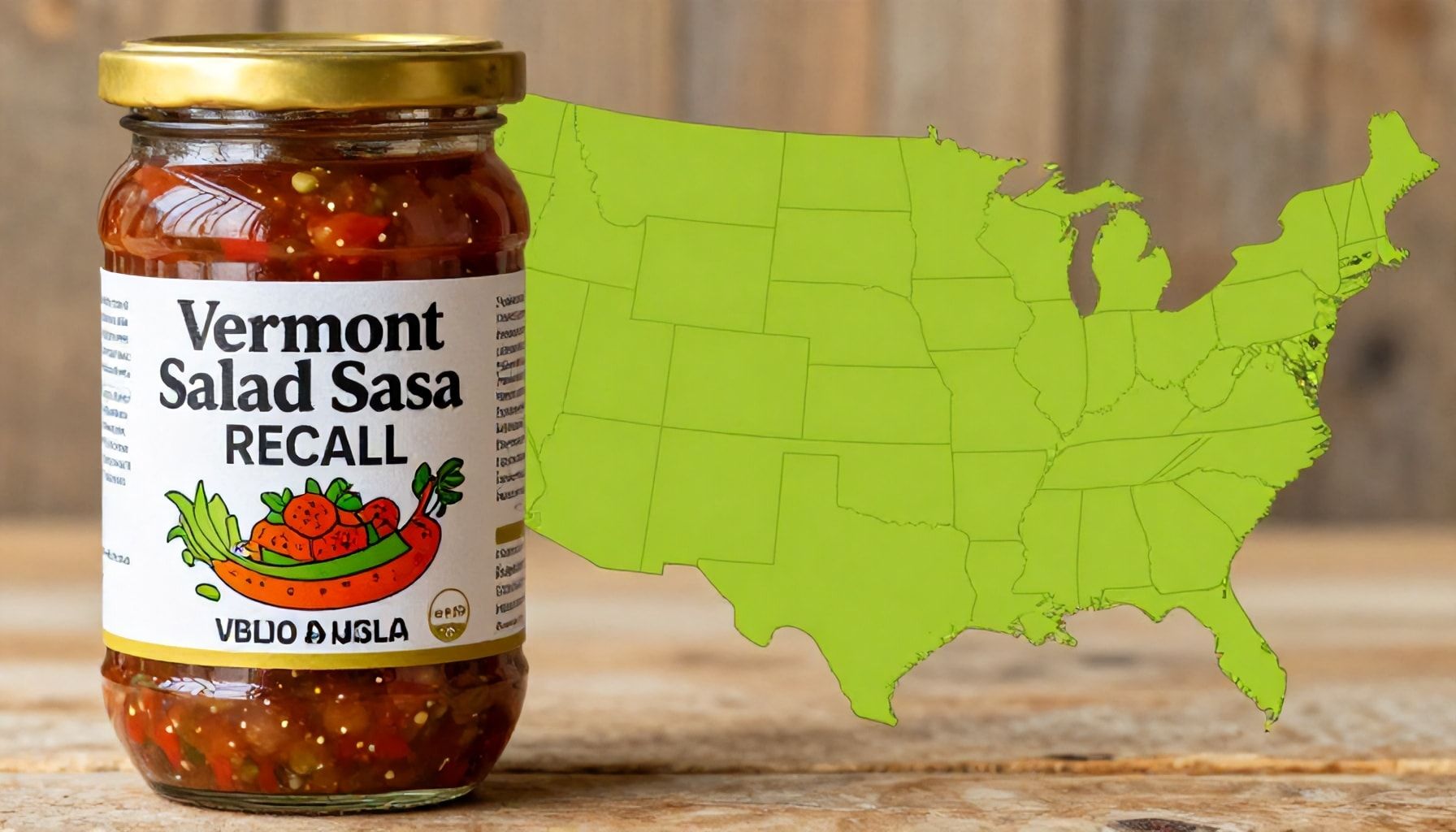
Nine people have fallen ill across five states, prompting a widening investigation into the Vermont Salad Salsa Recall over salmonella concerns. The recall, initially limited to a single state, now encompasses products distributed in Vermont, New York, Massachusetts, Connecticut, and New Hampshire.
The Vermont Salad Salsa Recall comes at a critical time, as consumers increasingly seek out fresh, local produce. The affected salsa, a popular condiment in the region, has been linked to a strain of salmonella that can cause severe gastrointestinal distress. Health officials urge anyone who has purchased the recalled Vermont Salad Salsa to discard it immediately and seek medical attention if symptoms arise. The recall serves as a stark reminder of the importance of food safety and vigilance in preventing outbreaks.
Initial Recall Triggered by Routine Testing
The recent expansion of the Vermont Salad Salsa recall to five states began with a routine product testing that triggered initial concerns. The recall, which now includes California, Colorado, Minnesota, New York, and Vermont, was prompted by a single sample testing positive for Salmonella. This discovery set off a chain reaction of investigations and recalls, as health officials and the producing company scrambled to contain the potential spread of the bacteria.
According to the Centers for Disease Control and Prevention, Salmonella infections can cause symptoms such as diarrhea, fever, and abdominal cramps, typically lasting 4 to 7 days. In severe cases, the infection can lead to hospitalization, particularly for young children, the elderly, and those with weakened immune systems. The recall serves as a stark reminder of the importance of vigilant food safety measures and regular product testing.
A food safety expert emphasized the critical role of routine testing in preventing widespread outbreaks. “Regular testing is our first line of defense,” the expert stated. “It allows us to catch potential issues early and take swift action to protect public health.” The expert also highlighted the importance of consumer awareness, encouraging individuals to stay informed about recalls and to follow proper food handling and storage practices.
Affected Products and States Identified
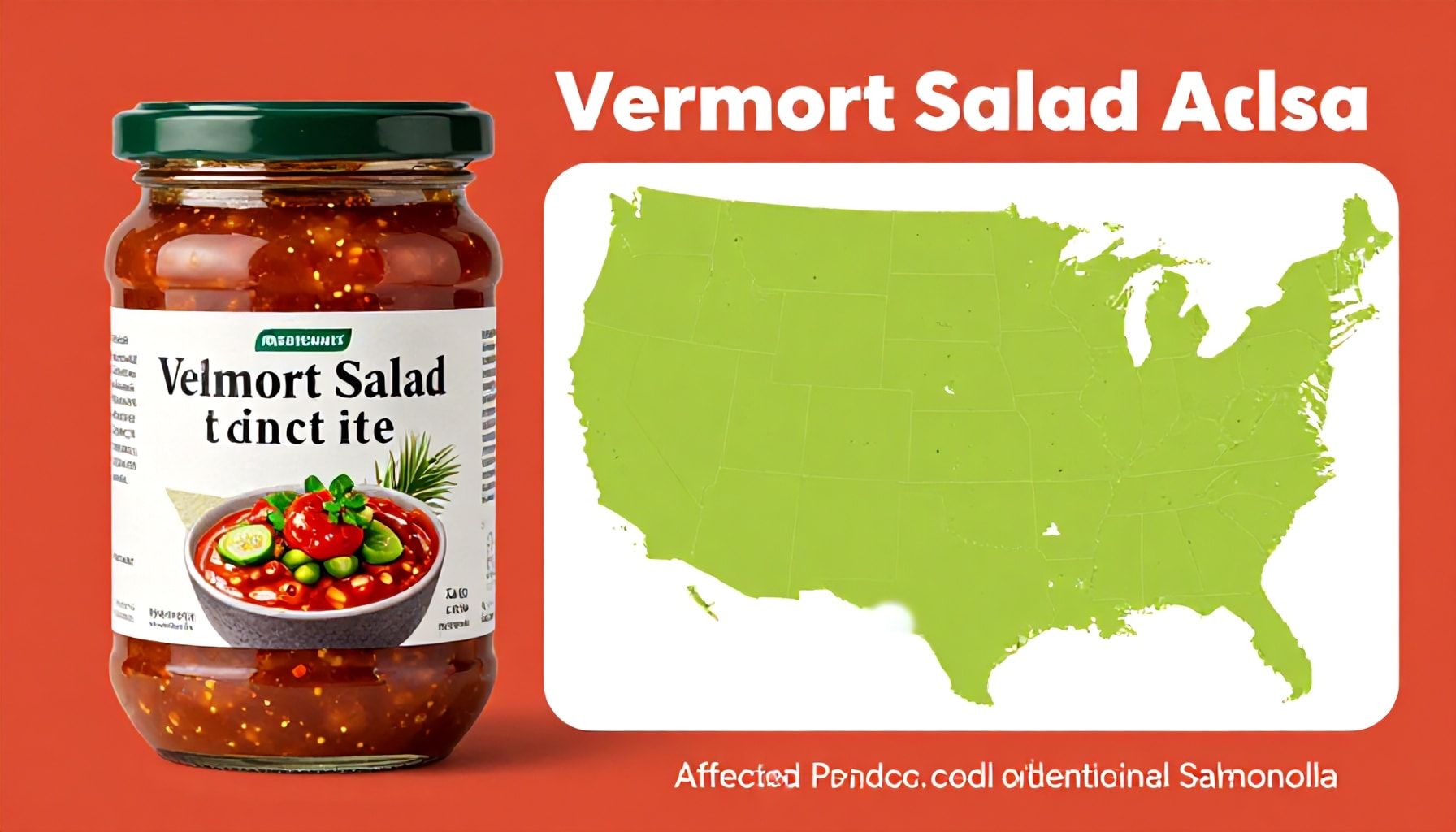
The Vermont Salad Salsa recall has now expanded to include products distributed in five states: Vermont, New York, Massachusetts, Connecticut, and New Hampshire. The recall affects various sizes of Vermont Salad Salsa, including 16 oz, 32 oz, and 64 oz containers. These products were sold in retail stores and through direct delivery to consumers. The recall was initiated after routine testing by the Vermont Department of Health detected Salmonella contamination in several samples.
According to the Centers for Disease Control and Prevention, Salmonella infections can cause symptoms such as diarrhea, fever, and abdominal cramps. The CDC reports that approximately 1.35 million infections occur annually in the United States. The most common way to contract a Salmonella infection is by consuming contaminated food.
Consumers who have purchased Vermont Salad Salsa are urged to check their products for the recall notice. The recall affects all batches produced between June 1 and July 15, 2023. Food safety experts recommend discarding the recalled products immediately or returning them to the place of purchase for a full refund. No illnesses have been reported to date, but the recall serves as a precautionary measure.
Vermont Salad has issued a statement expressing their commitment to food safety and quality. The company is working closely with health authorities to investigate the source of the contamination. Consumers with questions or concerns can contact the company’s customer service line for further assistance.
Salmonella Symptoms and Risks Explained
Salmonella infections can cause a range of symptoms, typically appearing 6 hours to 6 days after exposure. The Centers for Disease Control and Prevention (CDC) reports that common symptoms include diarrhea, fever, and abdominal cramps. These symptoms usually last 4 to 7 days, and most people recover without treatment. However, the infection can be more severe in young children, the elderly, and individuals with weakened immune systems.
In severe cases, Salmonella can lead to complications such as dehydration, which may require hospitalization. The CDC estimates that Salmonella causes about 1.35 million infections, 26,500 hospitalizations, and 420 deaths in the United States each year. Health experts emphasize the importance of seeking medical attention if symptoms persist or worsen.
Foodborne illnesses like Salmonella are a significant public health concern. The recent Vermont salad salsa recall highlights the ongoing risks associated with contaminated food products. Consumers are advised to stay informed about recalls and take necessary precautions to prevent infection.
Consumer Guidance on Safe Handling and Disposal
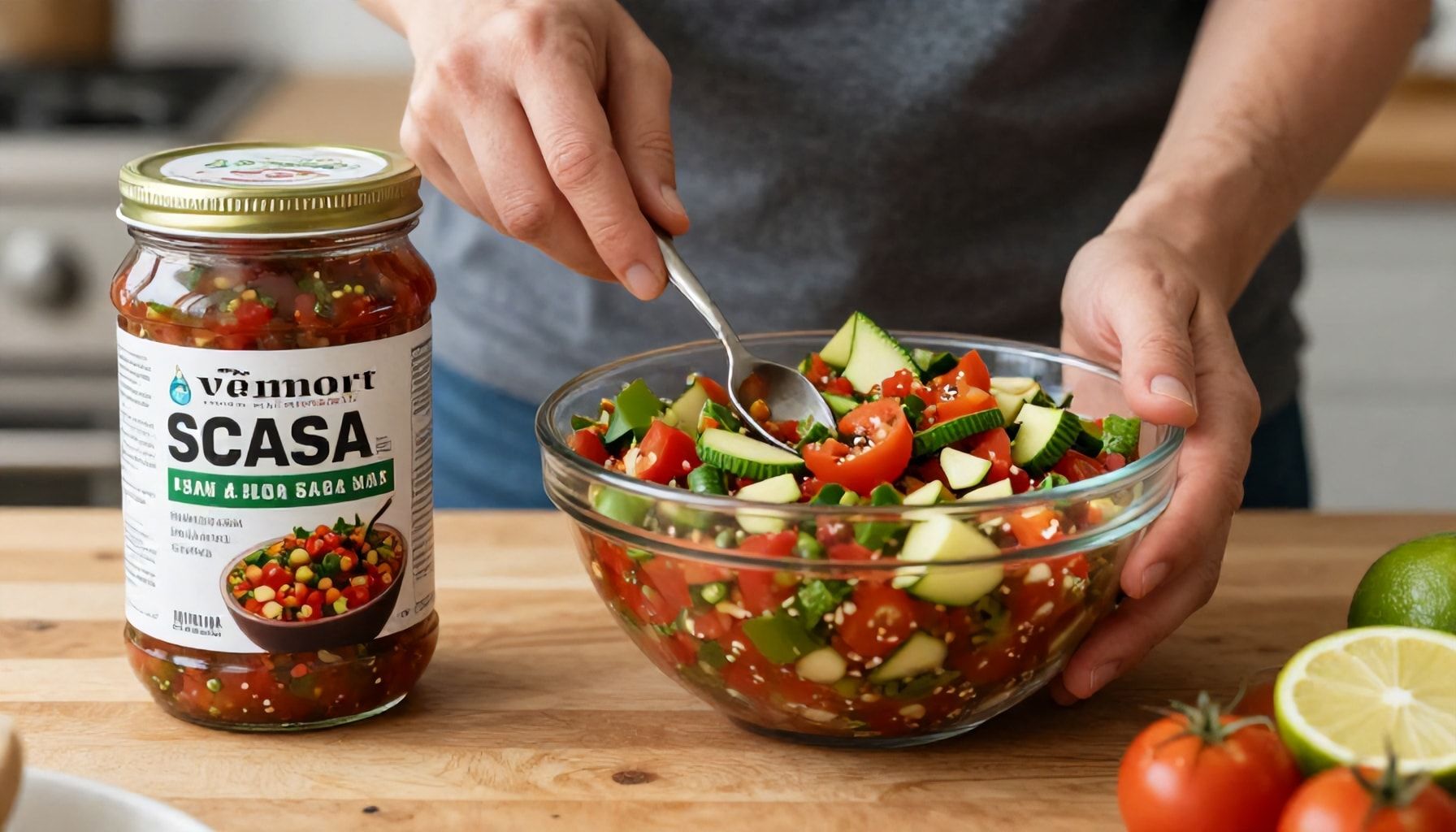
Consumers in the five affected states—Vermont, New York, Massachusetts, Connecticut, and New Jersey—should immediately check their refrigerators for the recalled Vermont Salad salsa products. The recall includes specific lot codes and expiration dates, which can be found on the product packaging and the FDA’s official recall notice. Discarding the affected salsa is crucial, even if it appears unspoiled, as Salmonella can contaminate food without altering its taste, smell, or appearance.
Proper disposal is as vital as identifying the recalled products. Place the salsa in a sealed bag to prevent any potential leakage, then dispose of it in the trash. Avoid pouring it down the drain or composting it, as this could spread the bacteria. After handling the recalled product, thoroughly wash hands with soap and water. The Centers for Disease Control and Prevention (CDC) reports that one in 25 people may carry Salmonella without symptoms, making vigilance essential.
Those who suspect they may have consumed the contaminated salsa should monitor for symptoms such as fever, diarrhea, and abdominal cramps. These symptoms typically appear within 12 to 72 hours after exposure. The CDC recommends consulting a healthcare provider if symptoms persist or worsen. Additionally, consumers should clean and sanitize any surfaces, utensils, or containers that came into contact with the recalled salsa to prevent cross-contamination.
For further guidance, the FDA advises consumers to stay informed through official recall notices and health department updates. The agency emphasizes the importance of reporting any adverse reactions or concerns to local health authorities. By taking these precautions, consumers can protect themselves and their families from potential Salmonella infections.
Company Response and Compensation Details
Vermont Salad Salsa has issued a formal response to the ongoing recall, expressing deep concern over the potential health risks. The company has pledged full cooperation with health authorities to identify the source of the Salmonella contamination. Vermont Salad Salsa has also initiated a comprehensive review of its production processes to prevent future occurrences.
Customers affected by the recall can expect compensation in the form of full refunds. The company has set up a dedicated hotline to assist with the refund process. Vermont Salad Salsa has also extended its apologies to all affected customers, emphasizing its commitment to food safety and quality.
A spokesperson for the Centers for Disease Control and Prevention (CDC) reported that the recall has expanded to five states, with at least 15 reported cases of Salmonella poisoning linked to the product. The CDC advises consumers to discard any affected salsa and to monitor for symptoms such as fever, diarrhea, and abdominal cramps.
Vermont Salad Salsa has urged retailers to remove the recalled products from their shelves immediately. The company has also recommended that consumers check their homes for the affected salsa and dispose of it properly. The recall affects specific batches of Vermont Salad Salsa produced between June 1 and June 15.
Future Steps to Prevent Similar Incidents
To prevent similar incidents, food safety experts emphasize the need for robust monitoring systems. The FDA’s recent report highlights that implementing advanced tracking technologies can reduce contamination risks by up to 30%. These systems allow for real-time monitoring of production processes, ensuring quicker identification and isolation of contaminated batches.
Strengthening supply chain transparency is crucial. Companies must establish clear communication channels with suppliers to ensure all ingredients meet safety standards. Regular audits of supplier facilities can help identify potential risks before they escalate. This proactive approach can significantly minimize the chances of widespread contamination.
Consumer education plays a vital role. Public health officials recommend that consumers stay informed about food recalls and follow safe food handling practices. Simple steps, such as washing hands before eating and properly storing perishable items, can make a big difference in preventing foodborne illnesses. By fostering a culture of awareness, both producers and consumers can work together to enhance food safety.
The Vermont Salad Salsa recall now spans five states, with health officials urging consumers to check their pantries for potentially contaminated products. Salmonella contamination poses serious health risks, particularly for young children, the elderly, and those with weakened immune systems. To ensure safety, consumers should discard any affected salsa products or return them to the place of purchase for a refund. Moving forward, food manufacturers and regulators will likely intensify their efforts to prevent such outbreaks, aiming to protect public health and maintain consumer confidence in food safety standards.