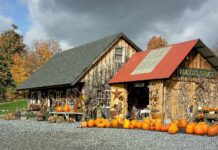
If you’re planning a getaway that combines charming small-town vibes with unforgettable experiences, Manchester Vermont is the perfect destination to explore. This hidden gem nestled in the heart of the Green Mountains offers more than just scenic beauty—it’s packed with must-see attractions, unique shops, and outdoor adventures waiting for you to discover. Wondering what makes Manchester Vermont stand out from other New England towns? Get ready to uncover secret spots and off-the-beaten-path activities that will make your trip truly special.
Manchester Vermont is quickly becoming a top choice for travelers seeking a blend of relaxation and excitement. From historic landmarks to vibrant local culture, this quaint town has something for everyone. Are you a fan of boutique shopping or crave the thrill of hiking through breathtaking landscapes? Manchester’s hidden gems cater to all interests, making it a must-visit for both nature lovers and culture enthusiasts alike. Plus, with its rich history and welcoming community, you’ll feel right at home while exploring the many top-rated attractions that few tourists know about.
Looking for insider tips on the best places to eat, shop, and hike in Manchester Vermont? This guide will reveal all the best-kept secrets and highlight the essential stops you can’t miss. Whether you’re planning a weekend escape or an extended vacation, discovering Manchester Vermont’s hidden treasures will inspire you to experience New England like never before. So pack your bags and get ready to dive into a world of charm, adventure, and unforgettable memories in this scenic Vermont town!
Top 7 Hidden Gems in Manchester Vermont You’ve Never Heard Of
Manchester Vermont is often known for its charming downtown and bustling outlet shops, but there’s so many more to discover beyond the usual tourist spots. If you think you know this New England town well, think again. Hidden gems dot the landscape, waiting for curious travelers and locals alike to uncover their secrets. From quiet nature trails to unexpected historical sites, Manchester offers a diverse range of attractions that rarely make it onto the typical visitor’s list. Let’s dive into the top 7 hidden gems in Manchester Vermont you’ve never heard of, and why they should be on your must-see list.
1. Equinox Preservation Trust
Nestled on the slopes of Mount Equinox, this little-known spot offers more than just beautiful scenery. The Equinox Preservation Trust manages a network of hiking trails that wind through old-growth forests and along crystal-clear streams. Unlike the popular Equinox Hotel or the summit hike, these trails are less crowded and provide a peaceful escape into nature. The Trust also organizes occasional guided walks focusing on local flora, fauna, and history. If you want a quiet day in the woods, away from the busier paths, this is a perfect spot.
2. The Southern Vermont Arts Center’s Sculpture Garden
While the Southern Vermont Arts Center is somewhat known for its galleries and exhibitions, many visitors overlook its outdoor sculpture garden. Featuring works from regional and national artists, the garden blends art with nature in a way that feels very intimate. You can wander among the sculptures at your own pace, enjoying both modern and classical pieces surrounded by the vibrant Vermont landscape. Art lovers and casual strollers alike will find this an inspiring place to spend a few hours.
3. Hildene, The Lincoln Family Home
Though Hildene is a bit more famous than other spots, it’s still often missed by those not interested in presidential history. This historic estate was the summer home of Robert Todd Lincoln, Abraham Lincoln’s son. The mansion is beautifully preserved with original furnishings, but what makes it a hidden gem is the extensive grounds. The estate includes formal gardens, a working farm with heritage breeds, and walking trails that offer stunning views of the Green Mountains. Plus, seasonal events like the sunflower festival give visitors a unique experience.
4. Battenkill River Fishing Access Points
The Battenkill River is famous among fly fishermen, but many don’t realize there are several public access points in and around Manchester that are perfect for beginners or casual visitors. These spots offer peaceful areas to try fishing or just enjoy the sound of the river and watch the wildlife. The Battenkill is known for its wild trout population, making it a prime location for anglers. Bring your gear or just a picnic and enjoy the quiet riverside.
5. The Manchester Farmers Market
It’s easy to overlook farmers markets as they’re common in many towns, but the Manchester Farmers Market is something special. Open seasonally, it features farmers and artisans from all over southern Vermont and nearby New York. You can find fresh produce, homemade baked goods, artisanal cheeses, and handcrafted items that reflect the local culture. The market often includes live music and community events, making it a lively spot to mingle with locals and taste the flavors of Vermont.
6. The Northshire Bookstore’s Hidden Nooks
Northshire Bookstore is well-loved in Manchester, but few know about its cozy hidden nooks scattered throughout the store. These quiet corners, filled with comfy chairs and natural light, invite you to lose yourself in a book away from the bustle of the town. The store also hosts author readings and community events that fly under the radar but are fantastic for literature fans. It’s not just a bookstore; it’s a community hub that fosters a love of reading in a warm, inviting space.
7. The Vermont Institute of Natural Science (VINS) Nearby
Although not right in Manchester, VINS is a short drive away and often overlooked by visitors focused only on downtown. This nature center and raptor rehabilitation facility provides an educational experience about Vermont’s wildlife, especially birds of prey. The live bird demonstrations and walking trails offer a hands-on way to learn about conservation and natural history. Families and nature enthusiasts will appreciate the interactive exhibits and chance to see eagles, hawks, and owls up close.
Below is a quick comparison table to help you decide which hidden gem fits your interest best:
| Hidden Gem | Main Attraction | Ideal For | Accessibility |
|---|---|---|---|
| Equinox Preservation Trust | Hiking, old-growth forests | Nature lovers, hikers | Moderate trails |
| Southern Vermont Arts Center | Outdoor sculptures | Art enthusiasts | Easy walking paths |
| Hildene, The Lincoln Family Home | Historic mansion, gardens | History buffs, families | Wheelchair accessible |
| Battenkill River Access Points |
Why Manchester Vermont Is the Ultimate Destination for Outdoor Adventure Lovers
Manchester Vermont is quickly becoming the go-to spot for outdoor adventure lovers who seek excitement and natural beauty all in one place. Nestled in the Green Mountains of New England, this charming town offers a perfect blend of rugged terrain, scenic views, and a welcoming community that makes every visitor feel at home. If you’re wondering why Manchester Vermont is the ultimate destination for those who crave the outdoors, then this article will take you through hidden gems, must-see attractions, and everything in between that makes this town stand out.
Why Outdoor Enthusiasts Flock to Manchester Vermont
First off, the landscape here is just amazing. Manchester sits right in the heart of the Green Mountain National Forest, which provides endless trails for hiking, mountain biking, and even horseback riding. Unlike other places where you might feel overwhelmed by crowds, Manchester has this peaceful vibe where nature feels untouched and wild, yet accessible. You will find trails that range from easy strolls to challenging hikes, so no matter your skill level, there’s a path waiting for you.
One of the popular trails is the Lye Brook Falls Trail which leads to a gorgeous waterfall that’s perfect for a summer picnic or a quick cool-off after a long hike. The area is also famous for its fall foliage; every year, leaf-peepers come in droves to witness the spectacular colors that light up the mountainside. It’s like nature’s own fireworks show, and don’t forget your camera.
Discover Hidden Gems in Manchester Vermont
Apart from the well-known spots, Manchester has many hidden gems that often get overlooked but are totally worth exploring. For example, the Equinox Preserve is a lesser-known nature reserve that offers a quiet retreat from the busier tourist spots. It’s a great place for bird watchers and anyone wanting to spot native wildlife in their natural habitat. The preserve also have some educational programs that teach about local plants and conservation efforts.
Another secret spot is the Lye Brook Wilderness Area, a vast, protected space where adventurers can go backpacking or camping under the stars. This area isn’t heavily trafficked, so if you want true solitude, this is the place to go. The wilderness area has rugged terrain that challenges even experienced hikers, but the reward is spectacular panoramic views of the surrounding mountains and valleys.
Must-See Attractions That Celebrate Nature and History
Manchester Vermont isn’t just about natural beauty; it also holds a rich history that outdoor lovers might find interesting. The Hildene Estate, once the home of Robert Todd Lincoln (son of Abraham Lincoln), offers stunning gardens and walking paths that combine culture with outdoor enjoyment. You can tour the mansion and then stroll through the beautifully maintained grounds, feeling a connection to both history and nature.
If you’re into skiing or snowboarding, don’t miss the nearby Bromley Mountain Resort. It’s one of Vermont’s oldest ski areas and offers slopes for all levels, along with lessons for beginners. In the summer, Bromley transforms into a hub for mountain biking and zip-lining, making it a year-round playground for adventurers.
Outdoor Activities List in Manchester Vermont
Here’s a quick rundown of the top outdoor activities you can do in Manchester Vermont:
- Hiking and trail walking (Lye Brook Falls Trail, Equinox Preserve)
- Mountain biking (Bromley Mountain trails)
- Horseback riding (local stables and guided tours)
- Fishing in the Battenkill River
- Skiing and snowboarding (Bromley Mountain Resort)
- Camping and backpacking (Lye Brook Wilderness Area)
- Bird watching and wildlife spotting (Equinox Preserve)
- Zip-lining and adventure parks (Bromley Mountain summer activities)
- Kayaking and canoeing on local lakes and rivers
Comparing Manchester Vermont to Other New England Outdoor Destinations
When you compare Manchester Vermont to other outdoor destinations in New England, it stands out because of its diversity and accessibility. For example, places like Stowe are famous for skiing but can get crowded and expensive during peak seasons. Manchester offers a quieter experience with a variety of activities that suit all ages and interests, making it ideal for families or solo travelers who want a peaceful retreat without sacrificing adventure.
Also, Manchester’s location makes it a convenient base for exploring other parts of Vermont and even crossing into Massachusetts or New York for day trips. This means you can enjoy a weekend of hiking and then spend a day visiting quaint towns or historical sites nearby.
Practical Tips for Visiting Manchester Vermont
Planning a trip to Manchester Vermont? Here’s some practical advice that will make your experience smoother:
- Best time to visit: Late spring through early fall for hiking and outdoor activities; winter months for skiing and snow sports.
- Where to stay: There are plenty of charming inns, bed and breakfasts, and vacation rentals that offer cozy accommodations close to nature.
- What to pack: Always bring layers, even in summer, since mountain weather can change quickly. Don’t forget sturdy hiking boots and insect repellent
Discover Manchester Vermont’s Best-Kept Secrets: Unique Attractions Off the Beaten Path
Nestled in the heart of Vermont’s picturesque Green Mountains, Manchester Vermont holds a charm that goes beyond its well-known shopping outlets and scenic landscapes. If you think you’ve seen all what this quaint town has to offer, think again. Manchester Vermont’s best-kept secrets reveals unique attractions and hidden gems that many visitors misses. Whether you’re a local or a traveler looking for something different, this guide will take you off the beaten path to discover must-see spots that make this New England town truly special.
Manchester Vermont: More Than Just a Shopping Destination
Many associate Manchester Vermont with its famous designer outlets, but the town’s appeal stretches far beyond retail therapy. History, nature, and quirky cultural spots waits just around the corner, often overlooked by casual tourists. The town’s rich past dates back to the 18th century, and its preservation efforts means visitors can experience a blend of colonial architecture and modern-day hospitality.
Unlike more commercialized areas in Vermont, Manchester offers a slower pace and intimate encounters with nature and history. If you want to avoid crowded places and enjoy something authentic, keep reading for some hidden treasures.
Hidden Gems in Manchester Vermont You Won’t Find in Guidebooks
Some attractions in Manchester remain under the radar, yet deliver unforgettable experiences. Here’s a list of unique spots that shows why this town is a must-visit for the curious traveler:
Equinox Preservation Trust Trails
This network of hiking paths provides stunning views of the Green Mountains and the surrounding valleys. Unlike the popular Mount Equinox summit trail, these lesser-known routes are quieter and perfect for birdwatching or a peaceful stroll.Hildene, The Lincoln Family Home
While many know about the Lincoln family’s history in Springfield, Massachusetts, fewer realize that Robert Todd Lincoln, Abraham Lincoln’s son, built an impressive estate here. The mansion, gardens, and farm are open for tours, offering insights into early 20th-century life and politics.The Southern Vermont Arts Center
This place combines art galleries, outdoor sculpture trails, and a theater in one scenic location. Visitors often miss the seasonal exhibitions featuring local artists, which provide a deep dive into Vermont’s creative soul.The Northshire Bookstore’s Secret Basement
A paradise for book lovers, the Northshire Bookstore not only offers new and used books but hides a cozy basement café with live music and readings on weekends. It’s a perfect spot to relax after a day exploring.
Off the Beaten Path Activities in Manchester Vermont
Exploring beyond the main streets reveals activities that are fun, educational, and sometimes downright surprising. Here’s some ideas for things to do that most tourists wouldn’t think of:
Farm-to-Table Tours
Vermont is known for its agriculture, and Manchester is surrounded by working farms. You can take guided tours to learn about cheese making, maple syrup production, or sustainable farming practices.Antique Hunting in Downtown Manchester
Scattered around the town are antique shops that have hidden treasures waiting to be discovered. From vintage jewelry to rare furniture, collectors and casual browsers alike will enjoy the thrill of the find.Historic Walking Tours with Local Guides
Join a small-group tour led by locals passionate about Manchester’s history. They share stories about the town’s founding families, architectural styles, and even ghost tales that add a mysterious vibe to the cobblestone streets.Kayaking on the Battenkill River
The Battenkill is a popular trout fishing river, but it also offers calm stretches for kayaking beginners. Renting a kayak early in the morning can be a peaceful way to see wildlife and enjoy Vermont’s natural beauty.
Comparing Manchester Vermont to Other New England Towns
While places like Woodstock or Stowe might be more famous, Manchester holds unique advantages that makes it worth a visit:
| Feature | Manchester Vermont | Woodstock, Vermont | Stowe, Vermont |
|---|---|---|---|
| Tourist Crowds | Moderate, less crowded | Busy during peak seasons | Busy, popular ski destination |
| Variety of Outdoor Activities | Hiking, kayaking, farm tours | Hiking, river tubing | Skiing, mountain biking |
| Cultural Attractions | Historic estates, art centers | Historic districts, museums | Ski museums, galleries |
| Shopping Experience | Designer outlets + antiques | Boutique shops | Outdoor gear and shops |
| Food Scene | Farm-to-table, cozy cafés | Farm-to-table, bistros | Diverse dining options |
Manchester Vermont’s smaller crowds and diverse attractions makes it an excellent alternative for those who want to avoid too much tourist hustle but still enjoy New England’s charm.
Practical Tips for Exploring Manchester Vermont’s Hidden Spots
Before you set out to discover these unique places, here are some tips to
How to Experience Authentic Vermont Culture in Manchester: A Local’s Guide
How to Experience Authentic Vermont Culture in Manchester: A Local’s Guide
Manchester, Vermont, is one of those charming towns that really captures the heart of New England. If you ever find yourself wandering through the Green Mountains, this place is a must-visit to get a real taste of Vermont. The town has a way of mixing small-town vibes with rich history and natural beauty, making it a perfect spot for anyone wanting to soak up authentic Vermont culture. But how do you really experience it? Let’s dive into some local secrets, hidden gems, and must-see attractions that you probably won’t find in every tourist guide.
Why Manchester Vermont is Special
Manchester is not just another pretty town in Vermont. It’s a place where history lives alongside modern-day charm. Founded in the 18th century, the town was originally a hub for farming and mills, and even today, you can still see traces of that heritage. The architecture in downtown Manchester includes classic New England style buildings, with brick facades and white-steepled churches that give you that nostalgic feeling of stepping back in time. But it’s not stuck in the past — the town also has vibrant arts scenes, local shops, and eateries that serve up farm-to-table treats.
One interesting fact about Manchester Vermont is that it became a favorite summer retreat for wealthy families from New York and Boston in the late 1800s. That history explains the presence of impressive mansions and estates that you can tour today, giving visitors a glimpse into the lifestyles of the Gilded Age elite.
Discover Hidden Gems in Manchester Vermont
Besides the well-known spots, Manchester has many places less traveled by tourists but beloved by locals. Here are some you should definitely check out:
Equinox Hotel Conservatory
This historic hotel has a beautiful conservatory with exotic plants. Even if you’re not staying there, you can visit the lobby area to see the lush greenery and old-world charm.Northshire Bookstore
A local treasure, this independent bookstore offers a cozy atmosphere with author readings and community events. It’s a great spot to pick up Vermont-themed books or just relax with a coffee.Hildene, The Lincoln Family Home
Located just outside Manchester, this estate was the summer home of Robert Todd Lincoln, Abraham Lincoln’s son. The gardens, farm, and mansion provide a unique look into American history tied to Vermont.Lye Brook Falls
For those who love the outdoors, a short hike to Lye Brook Falls offers a refreshing escape. The trail isn’t too tough, making it perfect for families or casual hikers wanting to connect with nature.
Must-See Attractions in Manchester Vermont
If you want to cover the essentials, here’s a list of places that defines Manchester’s cultural and natural highlights:
Manchester Designer Outlets
While it’s a shopping center, it’s also a place where you can find local Vermont products alongside big brands. It’s a mix of modern shopping experience with local flavor.Southern Vermont Arts Center
This artistic hub features galleries, sculpture parks, and theater performances. It’s a place that celebrates Vermont’s creative spirit.The Vermont Country Store
A quirky, nostalgic shop that sells old-fashioned candies, clothing, and household goods. It’s almost like stepping into a time capsule of rural Vermont life.Battenkill River
Known for excellent fly fishing, the Battenkill River is not only a natural attraction but also a cultural symbol of Vermont’s outdoor lifestyle.
How to Blend In Like a Local
Experiencing authentic Vermont culture means doing more than just visiting places — it’s about participating in the community’s rhythm. Here’s some practical advice to get you started:
Attend a farmers market
Manchester hosts seasonal farmers markets where you can buy fresh produce, handmade goods, and chat with local farmers and artisans.Try local cuisine
Don’t miss out on Vermont cheddar cheese, maple syrup, and craft beers. Places like The Silver Fork or The Reluctant Panther offer menus loaded with local ingredients.Engage in outdoor activities
Besides hiking, you can go horseback riding, skiing in winter, or even take a hot air balloon ride to see the landscape from above.Respect the pace
Vermont culture values simplicity and a slower pace of life compared to bustling cities. Taking time to enjoy a quiet moment in a café or park is part of the experience.
Comparing Manchester to Other Vermont Towns
If you have traveled around Vermont, you might wonder how Manchester stacks up against places like Stowe or Woodstock. Manchester is often seen as a blend of both:
- Like Stowe, it offers great access to outdoor adventures but feels less crowded and commercialized during peak seasons.
- Compared to Woodstock, Manchester
5 Must-See Historical Sites in Manchester Vermont That Will Blow Your Mind
Manchester Vermont is one of those places that quietly holds a treasure trove of history and charm. If you ever find yourself wandering through the Green Mountain State, this town should be on your radar. It’s not just about the breathtaking scenery or the quaint small-town vibes, there’s a deeper story buried here that will surprise many visitors. From colonial times to the industrial age, the historical sites in Manchester Vermont offers a unique glimpse into New England’s past that you won’t want to miss. Here are 5 must-see historical sites in Manchester Vermont that will blow your mind with their rich heritage and captivating stories.
1. Hildene, The Lincoln Family Home
One of the most famous historical landmarks in Manchester is Hildene, the summer home of Robert Todd Lincoln, son of President Abraham Lincoln. This Georgian Revival mansion was built in 1905 and sits on a sprawling estate overlooking the Battenkill River. The house itself is preserved with original furnishings, and visitors can walk through rooms that tell the story of the Lincoln family’s life after the presidency.
- The estate includes formal gardens designed by the Olmsted Brothers, the sons of the famous landscape architect Frederick Law Olmsted.
- You can explore the 24-room mansion, learn about the Lincoln family’s Vermont connections, and see the restored Pullman car named “Sunbeam” that Robert Lincoln used for his travels.
- Hildene also hosts events throughout the year, including historical reenactments and garden tours.
This place is a perfect example of how a family’s legacy can be kept alive through preservation and storytelling.
2. Manchester Village Historic District
Manchester Village itself is a living museum of 19th-century architecture and community planning. Strolling down the main street feels like stepping back in time, with well-preserved buildings dating from the early 1800s to the early 1900s. The district was recognized on the National Register of Historic Places because of its architectural significance and its role in Vermont’s development.
What makes this area special is the blend of commercial, residential, and civic buildings all closely knit together, showing how towns in New England grew organically over time. Some highlights you should look for include:
- The Equinox Hotel, a landmark since 1769 and a symbol of Vermont’s hospitality history.
- Historic churches with stunning stained glass windows and traditional New England meeting house designs.
- Quaint shops and galleries housed in vintage storefronts.
Visiting here, you get a real sense of small-town life in Vermont through the centuries.
3. The Southern Vermont Arts Center
While not a traditional historical site, the Southern Vermont Arts Center holds cultural importance dating back to its founding in 1940. It sits on a 175-acre property that includes historic buildings and beautiful outdoor sculptures. The center was created to promote fine arts and education, becoming a cultural hub for the region.
The arts center showcases how Manchester Vermont evolved to embrace not just its past but also its creative future. Some interesting features:
- Historic barns converted into galleries and studios.
- Outdoor sculpture trails that blend art with nature.
- Educational programs that connect visitors with local history through arts.
It’s a place where history and culture intermingle, making it a must-see for those interested in more than just old buildings.
4. The American Museum of Fly Fishing
Fly fishing might not come first to mind when thinking about historical sites, but this museum in Manchester Vermont is a hidden gem that tells the story of the sport’s evolution and its importance to New England’s rivers and lakes. Founded in 1968, the museum has one of the largest collections of fishing tackle, literature, and art related to fly fishing.
What sets this museum apart is its focus not only on the sport but also on conservation efforts and the role fly fishing played in shaping rural communities. Some cool things you will find inside:
- Antique rods, reels, and flies dating back to the 19th century.
- Exhibits on famous anglers and their contributions to fishing techniques.
- Interactive displays that explain the biology of fish and the ecology of Vermont’s waterways.
Even if you’re not an angler, the museum offers a fascinating look at a unique aspect of Vermont’s heritage.
5. The Equinox Preservation Trust and Farms
The Equinox Preservation Trust is dedicated to preserving the natural and historical landscapes around Mount Equinox, the highest peak in southern Vermont. The Trust manages several historic farms and trails that date back to early Vermont settlers. Walking these lands, you get insight into how farming shaped the community and the environment over hundreds of years.
Key points about the farms and trails:
- Stone walls, old barns, and farmhouse ruins scattered across the landscape.
- Interpretive signs explaining traditional farming practices and land use.
- Opportunities for hiking and exploring nature while learning about local history.
This site combines outdoor adventure with education, making it perfect for families and history buffs alike.
Manchester Vermont
Conclusion
Manchester, Vermont, is a charming destination that perfectly blends natural beauty, rich history, and vibrant culture. From its scenic outdoor adventures in the Green Mountains to its quaint downtown filled with boutique shops and gourmet eateries, Manchester offers something for every traveler. The town’s commitment to preserving its historic landmarks alongside modern amenities makes it an inviting place for both relaxation and exploration. Whether you’re interested in hiking, shopping, dining, or simply soaking in the serene New England atmosphere, Manchester provides a memorable experience year-round. For those seeking a peaceful retreat with plenty of activities and local charm, this Vermont gem is truly worth a visit. Plan your trip today and discover the timeless appeal of Manchester, where tradition meets adventure in the heart of the Green Mountain State.