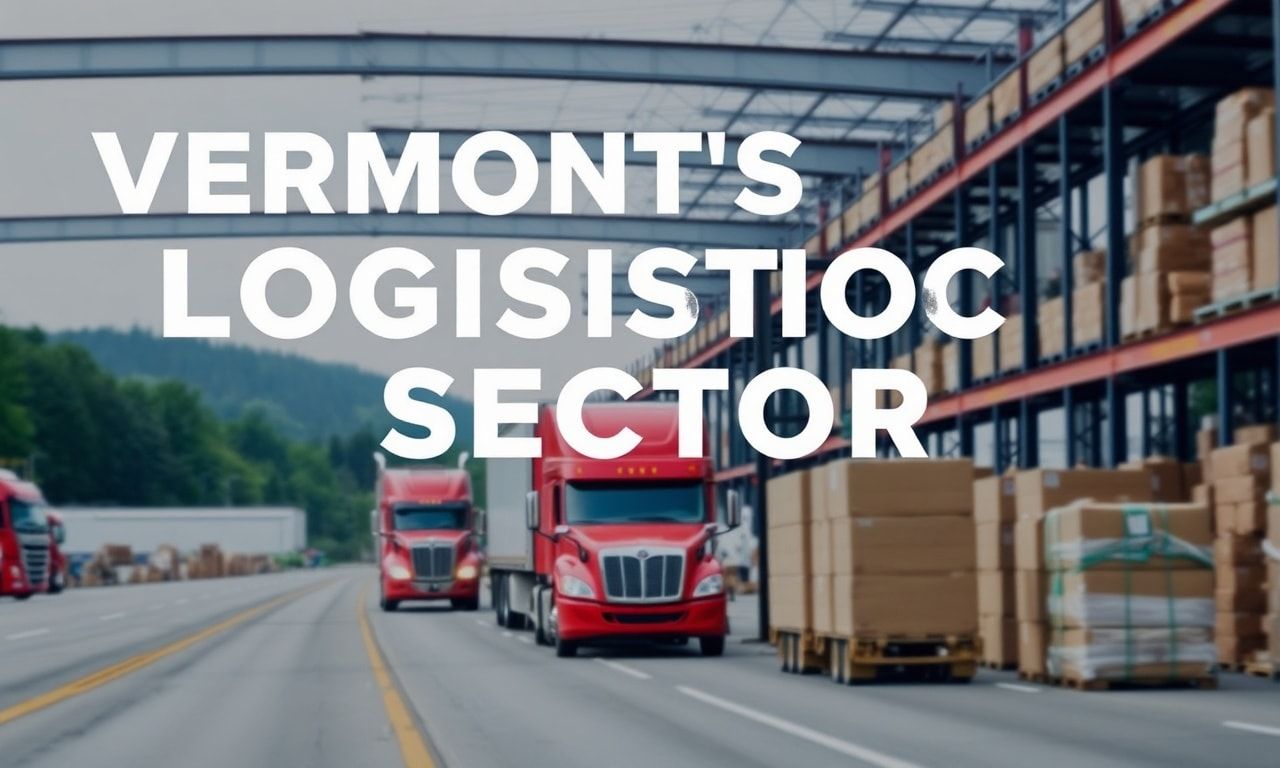
The Vital Role of Logistics in Vermont’s Economy
Vermont’s logistics sector plays a crucial role in the state’s economic landscape, facilitating the movement of goods and services that drive local and regional commerce. As a key component of the supply chain, logistics encompasses transportation, warehousing, inventory management, and distribution. The sector’s efficiency directly impacts the competitiveness of Vermont’s businesses, from small local enterprises to large-scale manufacturers and retailers.
The logistics industry in Vermont is not only about moving goods but also about creating jobs and fostering economic growth. According to recent data, the sector employs thousands of Vermonters, contributing significantly to the state’s employment rates. The industry’s growth is fueled by advancements in technology, increased e-commerce activity, and a growing emphasis on sustainable and efficient supply chain practices.
Technological Advancements in Vermont’s Logistics Sector
Innovation is at the heart of Vermont’s logistics sector, with companies increasingly adopting cutting-edge technologies to streamline operations. Automation, artificial intelligence, and data analytics are transforming traditional logistics processes, enhancing accuracy, and reducing costs. For instance, automated warehouses equipped with robotic systems are becoming more common, allowing for faster order fulfillment and improved inventory management.
Additionally, the integration of Internet of Things (IoT) devices enables real-time tracking of shipments, providing valuable data that can be used to optimize routes and reduce delivery times. These technological advancements not only improve operational efficiency but also contribute to a more sustainable logistics sector by minimizing fuel consumption and reducing carbon emissions.
The Impact of E-Commerce on Vermont’s Logistics
The rise of e-commerce has had a profound impact on Vermont’s logistics sector, driving demand for faster and more flexible delivery services. As consumers increasingly turn to online shopping, logistics companies are adapting to meet these new expectations. This shift has led to the expansion of last-mile delivery services, which focus on delivering goods directly to consumers’ doorsteps.
To support this growth, logistics companies are investing in advanced distribution centers and partnering with local businesses to enhance their delivery capabilities. The increased demand for e-commerce logistics has also created new job opportunities, from warehouse workers to delivery drivers, further boosting the state’s economy. Moreover, the integration of e-commerce platforms with logistics systems has enabled businesses to manage their supply chains more effectively, ensuring timely delivery and customer satisfaction.
Sustainability in Vermont’s Logistics Sector
Sustainability is becoming a key focus for Vermont’s logistics sector, as companies strive to reduce their environmental impact. The adoption of green logistics practices, such as using electric vehicles and optimizing delivery routes, is gaining traction. These efforts not only help to minimize carbon footprints but also align with Vermont’s commitment to environmental stewardship.
Furthermore, the logistics industry is exploring innovative solutions to reduce waste and improve resource efficiency. For example, some companies are implementing reverse logistics systems to manage product returns and recycling. By focusing on sustainability, Vermont’s logistics sector is not only contributing to a healthier environment but also enhancing its reputation as a responsible and forward-thinking industry.
The Future of Logistics in Vermont
The future of Vermont’s logistics sector looks promising, with continued growth and innovation on the horizon. As technology advances and consumer demands evolve, logistics companies will need to adapt and invest in new solutions to stay competitive. The integration of emerging technologies, such as blockchain and autonomous vehicles, could further revolutionize the industry, enhancing efficiency and reliability.
Moreover, the logistics sector will play a crucial role in supporting Vermont’s economic recovery and growth post-pandemic. By leveraging the nakliyat portal listesi web and other innovative platforms, logistics companies can streamline their operations and better serve their customers. As the industry continues to evolve, collaboration between businesses, government agencies, and educational institutions will be essential to ensure that Vermont remains at the forefront of logistics innovation.
In conclusion, Vermont’s logistics sector is a vital component of the state’s economy, driving growth, creating jobs, and fostering innovation. As the industry continues to adapt to technological advancements and changing consumer demands, it will play an increasingly important role in shaping Vermont’s economic future. By embracing sustainability and leveraging cutting-edge technologies, the logistics sector can contribute to a more efficient, environmentally friendly, and prosperous Vermont.
Amidst the daily chaos, finding joy at home can be a challenge, which is why we suggest exploring practical tips for happiness to bring some calm and contentment to your routine.
To stay informed about the latest trends and updates, consider reviewing Turkey’s logistics sector developments and their impact on the region’s economy.
As global trade routes continue to evolve, understanding their influence on real estate is crucial; delve into how logistics networks shape property markets in our latest analysis.