The Green Mountain State’s Ambitious Climate Goals
Vermont, known for its picturesque landscapes and eco-conscious residents, is making significant strides in renewable energy and sustainability. The state’s ambitious climate goals aim to reduce greenhouse gas emissions by 40% by 2030 and achieve net-zero emissions by 2050. These initiatives are not only transforming Vermont’s energy landscape but also setting a national example for sustainable practices.
Investing in Renewable Energy
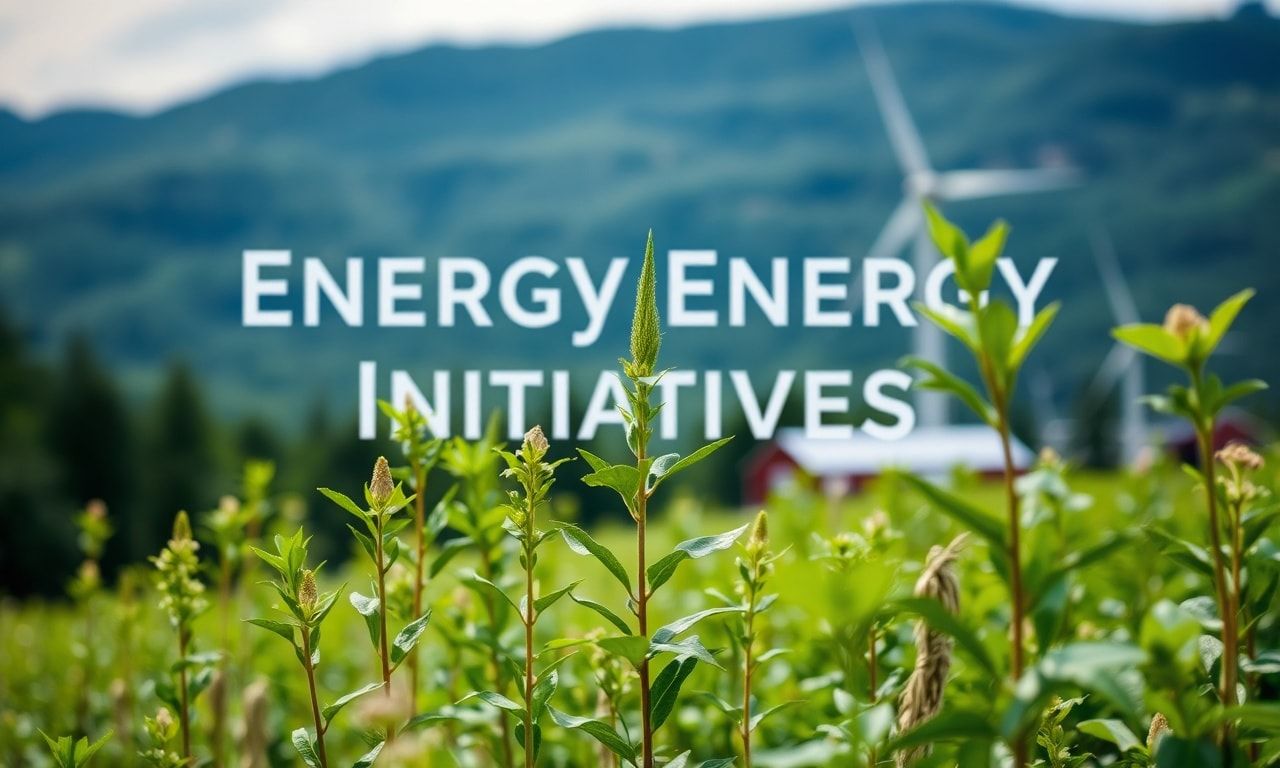
Vermont’s commitment to renewable energy is evident in its investment in wind, solar, and hydroelectric power. The state has seen a surge in solar installations, with over 1,000 megawatts of solar capacity installed as of 2023. Wind energy is also a key player, with several large-scale projects in the works. The state’s hydroelectric plants, which have been a staple for decades, continue to provide a significant portion of Vermont’s electricity.
In addition to these traditional renewable sources, Vermont is exploring innovative technologies. For instance, the state is investing in energy storage solutions to ensure a stable power supply even when the sun isn’t shining or the wind isn’t blowing. These advancements are crucial for maintaining energy reliability and supporting the state’s transition to a cleaner energy mix.
Community Involvement and Education
Vermont’s success in renewable energy is not just about infrastructure; it’s also about community involvement and education. The state has launched numerous programs to educate residents about energy efficiency and the benefits of renewable energy. For example, the Vermont Energy Education Program (VEEP) provides resources and workshops for schools, businesses, and homeowners. These efforts are helping to build a culture of sustainability that extends beyond government initiatives.
Local communities are also playing a significant role in Vermont’s green energy initiatives. Many towns have formed energy committees to explore renewable energy options and implement energy-saving measures. These grassroots efforts are crucial for ensuring that the state’s climate goals are met at the local level.
The Economic Impact of Green Energy
The shift towards renewable energy is not only beneficial for the environment but also for the economy. Vermont’s green energy sector is creating jobs and attracting investment. According to a recent report, the renewable energy industry employs over 15,000 people in the state. This growth is expected to continue as more projects come online and the demand for clean energy increases.
In addition to job creation, Vermont’s green energy initiatives are attracting investment from both public and private sectors. The state has received millions of dollars in federal grants and private investments to support its renewable energy projects. This influx of capital is helping to fund innovative technologies and infrastructure improvements, further solidifying Vermont’s position as a leader in sustainability.
Challenges and Future Outlook
Despite its progress, Vermont faces several challenges in achieving its climate goals. One of the main hurdles is the need for significant infrastructure upgrades to support the transition to renewable energy. The state also faces regulatory and financial barriers that can slow down the implementation of new projects.
Another challenge is the need for a skilled workforce to support the growing renewable energy sector. While the industry is creating jobs, there is a need for trained professionals who can design, build, and maintain renewable energy systems. Vermont’s educational institutions are stepping up to meet this demand by offering programs in renewable energy and sustainability.
Looking ahead, Vermont’s future in green energy looks promising. The state’s commitment to sustainability, combined with its innovative spirit and community involvement, positions it as a national leader in renewable energy. As the state continues to invest in new technologies and infrastructure, it is poised to achieve its ambitious climate goals and set an example for the rest of the country.
Exploring Financial Opportunities in Sustainable Investments
As Vermont and other states across the U.S. invest in renewable energy, there are numerous financial opportunities for investors. Sustainable investments are gaining popularity as more people seek to align their financial goals with their environmental values. For those interested in exploring these opportunities, resources like the forex trading for advanced traders guide can provide valuable insights into the financial markets and sustainable investment strategies.
Investing in renewable energy projects, green bonds, and sustainable funds can offer both financial returns and environmental benefits. As the demand for clean energy continues to grow, these investments are likely to become even more attractive. For investors looking to diversify their portfolios and support sustainable practices, the renewable energy sector offers a promising avenue for growth.