Vermont Farmers Capitalize on Herbal Health Boom
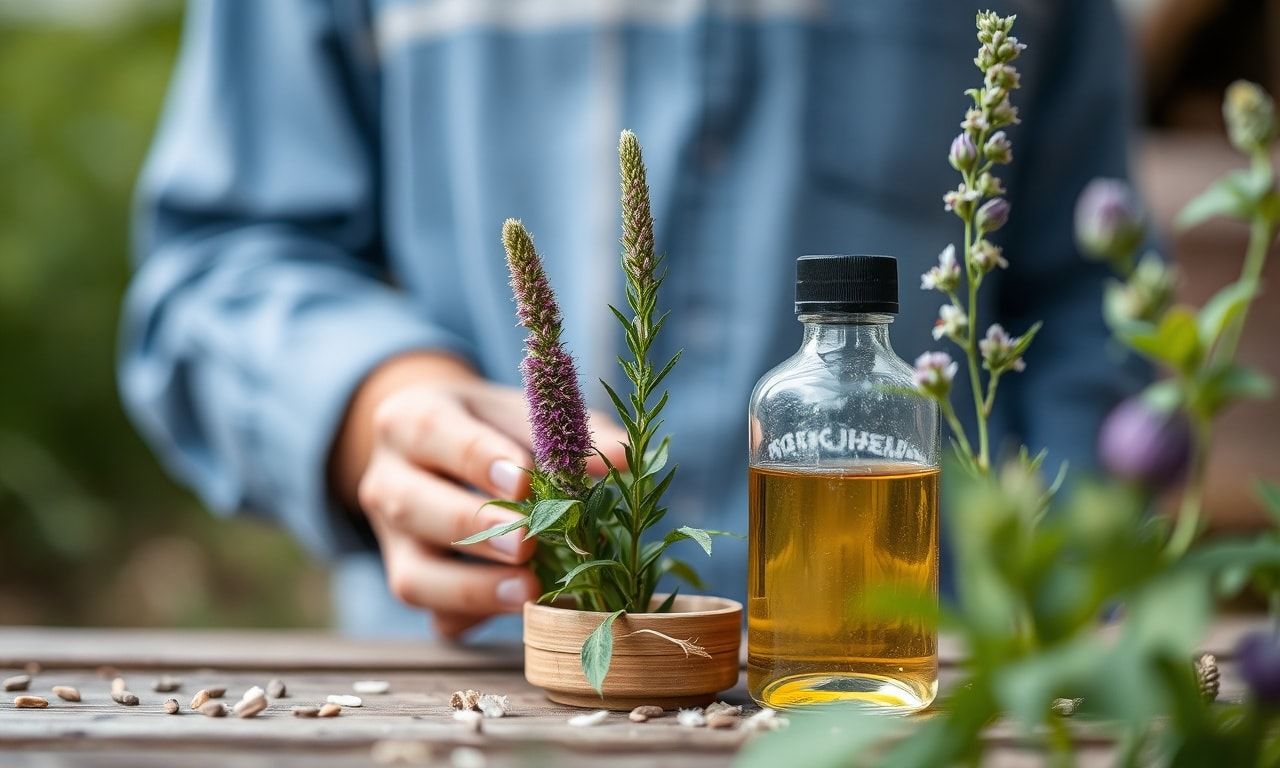
In the picturesque landscapes of Vermont, local farmers are increasingly turning to herb cultivation to meet the surging demand for natural health products. This shift comes as more consumers seek organic and herbal remedies, driven by a growing awareness of the benefits of natural ingredients. The state’s favorable climate and fertile soil provide an ideal environment for cultivating a wide variety of herbs, positioning Vermont as a key player in the herbal health market.
The Rise of Herbal Remedies
The popularity of herbal remedies has been on the rise, with many people looking for alternatives to conventional medicine. Herbs like lavender, chamomile, and peppermint are not only used for their aromatic qualities but also for their medicinal properties. These herbs are known to aid in relaxation, digestion, and even weight management. According to recent studies, the demand for natural weight loss solutions has seen a significant uptick, with many turning to best fresh herbs for natural weight loss as a safer and more sustainable option.
Local Farmers Adapt to Market Demands
Vermont’s farmers are quick to adapt to these changing market dynamics. Many have started cultivating herbs that are in high demand, such as echinacea, ginger, and turmeric, which are known for their immune-boosting properties. The state’s cooperative extension services have also played a crucial role in providing farmers with the necessary resources and knowledge to successfully grow and market these herbs. This collaborative effort has not only boosted the local economy but also enhanced the state’s reputation as a hub for high-quality herbal products.
Community and Economic Benefits
The shift towards herb cultivation has brought numerous benefits to Vermont’s communities. Local farmers’ markets have seen an increase in foot traffic, with consumers eager to purchase fresh, locally-grown herbs. This has provided a much-needed economic boost to small-scale farmers and rural communities. Additionally, the herbal industry has created new job opportunities, from farming and harvesting to processing and packaging. The ripple effect of this growth is evident in the thriving local economies and the enhanced quality of life for residents.
Challenges and Considerations
Despite the numerous benefits, the transition to herb cultivation is not without its challenges. Farmers must navigate issues such as pest management, soil health, and market competition. However, the resilience and adaptability of Vermont’s farming community have been commendable. Many farmers have turned to sustainable and organic practices to ensure the long-term viability of their crops. Moreover, the support from local governments and agricultural organizations has been instrumental in overcoming these hurdles.
The Future of Herbal Farming in Vermont
Looking ahead, the future of herbal farming in Vermont appears bright. With the continued demand for natural health products and the state’s commitment to sustainable agriculture, Vermont is poised to become a leader in the herbal industry. Farmers are exploring new varieties of herbs and innovative cultivation techniques to stay ahead of market trends. The focus on quality and sustainability ensures that Vermont’s herbal products will continue to be highly sought after both locally and nationally.
The journey of Vermont’s farmers towards embracing herbal solutions is a testament to the state’s adaptability and commitment to meeting the evolving needs of consumers. As the demand for natural health products continues to grow, Vermont’s herbal industry is set to flourish, bringing prosperity and well-being to its communities.