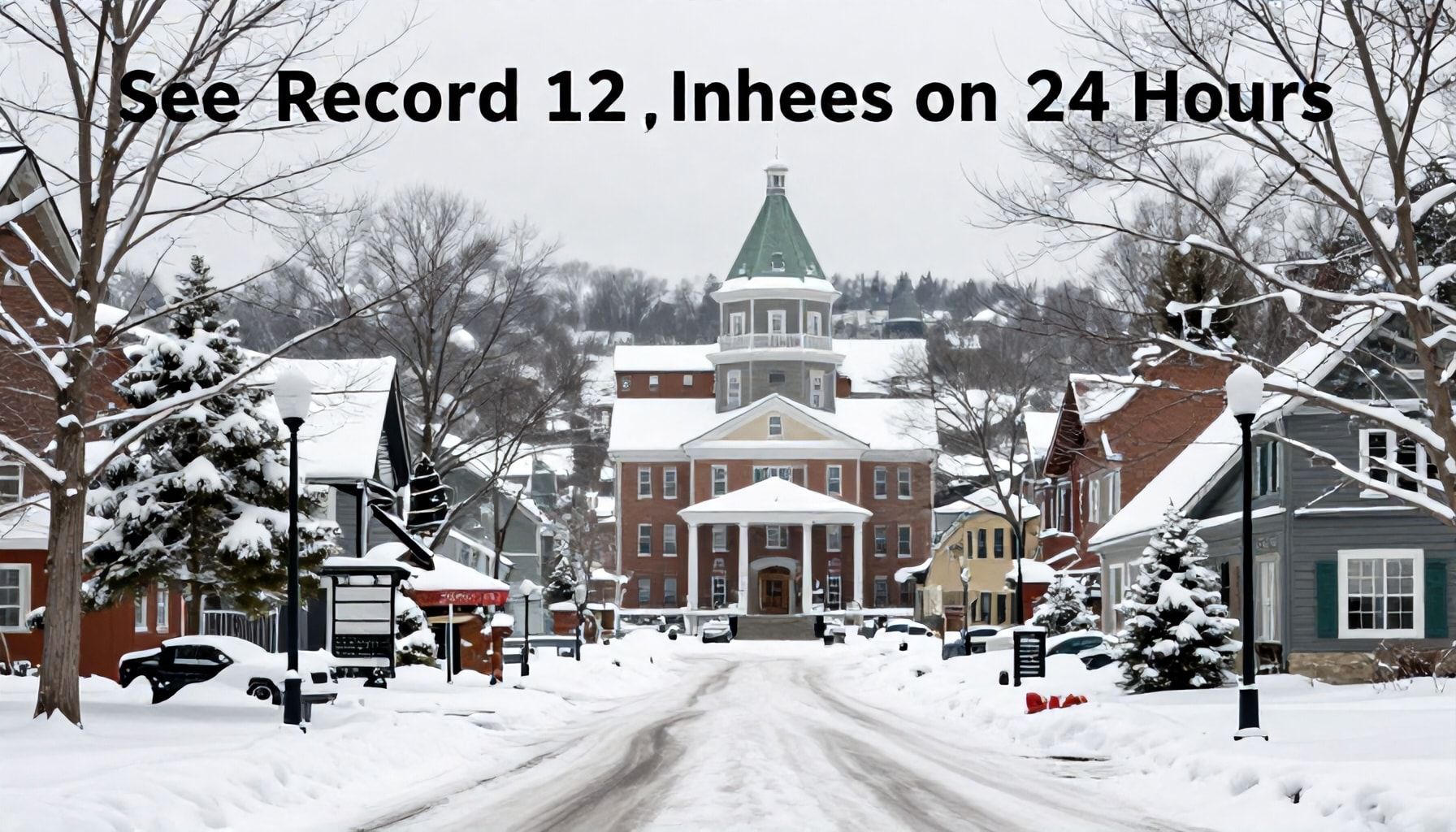
Burlington, Vermont, woke up to a winter wonderland on Monday after a powerful nor’easter dumped a record-breaking 12 inches of snow in just 24 hours. The storm, which began late Sunday evening, brought Burlington’s total snowfall for the season to an impressive 58 inches, surpassing the previous record set in 2019.
For residents of Vermont, Burlington’s snowfall is more than just a weather statistic—it’s a testament to the state’s enduring charm and resilience. The city, nestled on the eastern shore of Lake Champlain, is no stranger to heavy snowfall, but this latest storm has left even the most seasoned Vermonters in awe. As the city digs out from the latest snowfall, the spirit of community and determination that defines Vermont, Burlington, Vermont shines through, reminding everyone that even the most formidable winter storms can bring out the best in people.
Burlington's historic snowfall breaks records
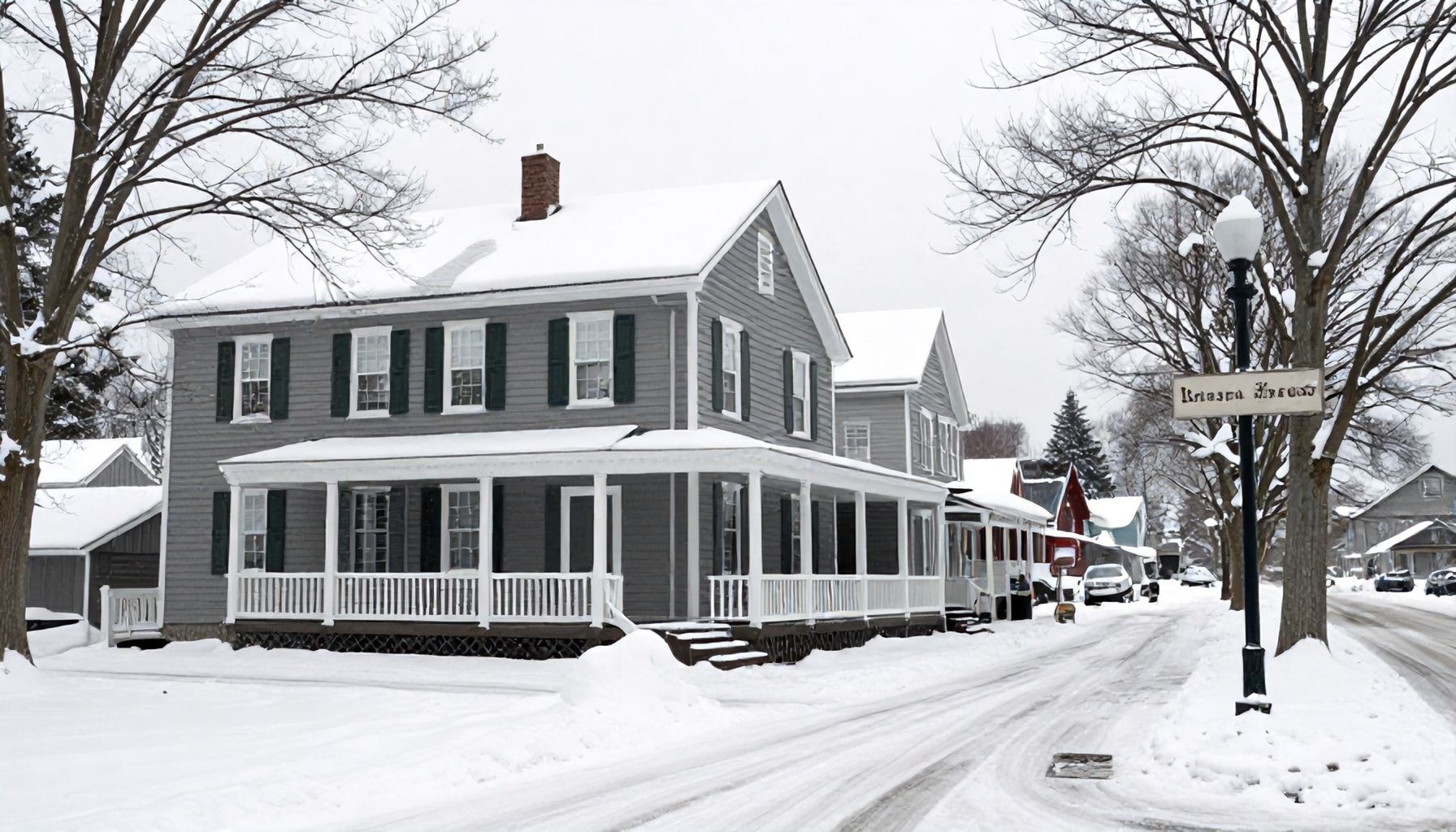
Burlington, Vermont, woke up to a winter wonderland on March 14, as a historic snowfall blanketed the city in a record-breaking 12 inches of snow within just 24 hours. The National Weather Service confirmed the unprecedented accumulation, surpassing the previous record of 10.2 inches set in 1956. Residents marveled at the transformation, with snow-covered streets and rooftops creating a picturesque scene.
Local meteorologists attributed the intense snowfall to a powerful nor’easter that stalled over the region. The storm brought sustained winds of up to 30 mph, creating blizzard-like conditions and reducing visibility to near zero at times. The rapid accumulation of snow caused significant disruptions, with schools, businesses, and government offices closed for the day.
City officials urged residents to stay off the roads unless absolutely necessary, as plows struggled to keep up with the relentless snowfall. Emergency services reported a steady stream of calls, primarily for minor injuries and power outages. The Burlington International Airport suspended all flights, stranding travelers and grounding aircraft.
A local climate scientist noted that while heavy snowfalls are not uncommon in Vermont, the intensity and duration of this storm were exceptional. The rapid accumulation of snow in such a short period posed unique challenges for the city’s infrastructure. Residents were advised to prepare for potential power outages and road closures as the storm continued to impact the region.
Residents dig out after overnight blizzard
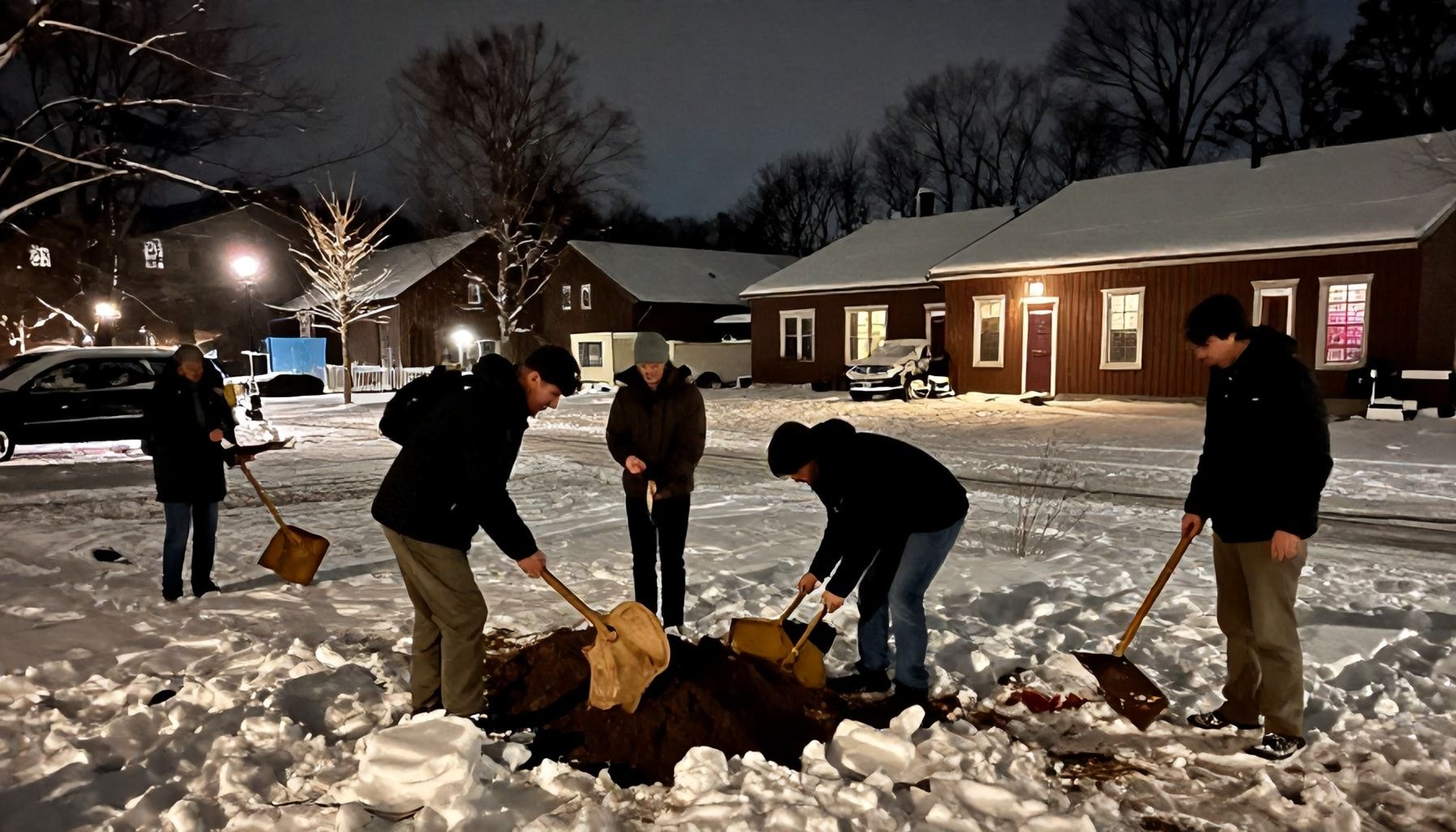
Residents of Burlington, Vermont, woke up to a winter wonderland turned challenge after an overnight blizzard dumped a record 12 inches of snow. The storm, which began late yesterday evening, caught many off guard, leaving streets and sidewalks buried under thick blankets of snow. The National Weather Service reported this as the heaviest 24-hour snowfall in the city since record-keeping began in the early 20th century.
Shovels and snowblowers roared to life early this morning as homeowners and businesses began the arduous task of digging out. Sidewalks and driveways slowly emerged from the white mounds, but progress was slow. The city’s public works department dispatched fleets of plows to tackle the main arteries, but residential streets remained a priority for many.
A local meteorologist noted that the rapid accumulation was due to a perfect storm of atmospheric conditions. “We had a steady stream of moisture feeding into the system, combined with below-freezing temperatures,” they explained. This combination created ideal conditions for heavy, wet snowfall, making shoveling even more labor-intensive.
Despite the challenges, a sense of community spirit prevailed. Neighbors helped one another, and volunteers assisted elderly residents with snow removal. The Burlington Red Cross set up warming centers for those without adequate heating, ensuring the city’s most vulnerable were cared for during the ongoing cleanup efforts.
City crews work to clear major roadways
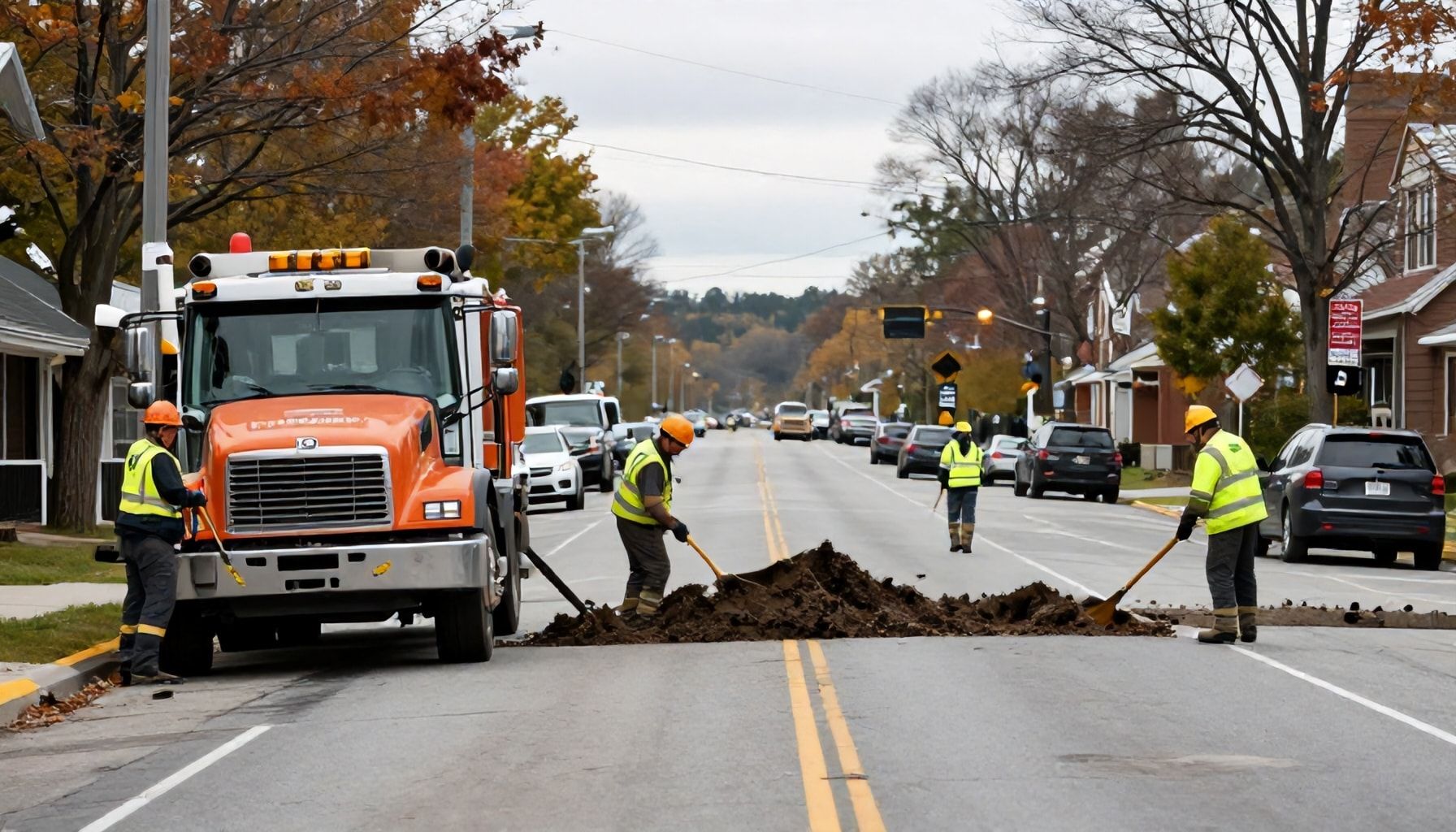
City crews in Burlington, Vermont, are working around the clock to clear major roadways following a record-breaking snowstorm. The city received 12 inches of snow in just 24 hours, the highest daily total in over a decade. Plows are prioritizing main arteries and emergency routes to restore mobility and access.
According to the Vermont Agency of Transportation, over 50 plows and salt trucks are deployed across Chittenden County. Crews are facing challenges due to heavy, wet snow that’s difficult to clear. Despite the efforts, residents are urged to stay off roads unless absolutely necessary.
Local businesses and schools remain closed as the city digs out. The University of Vermont canceled classes and suspended operations. The National Weather Service warns of continued hazardous conditions, with temperatures expected to drop further overnight.
City officials remind residents to shovel sidewalks promptly to maintain safety for pedestrians. The Burlington Department of Public Works advises against parking on streets to allow plows unimpeded access. The full recovery effort is expected to take several days.
Schools and businesses close temporarily
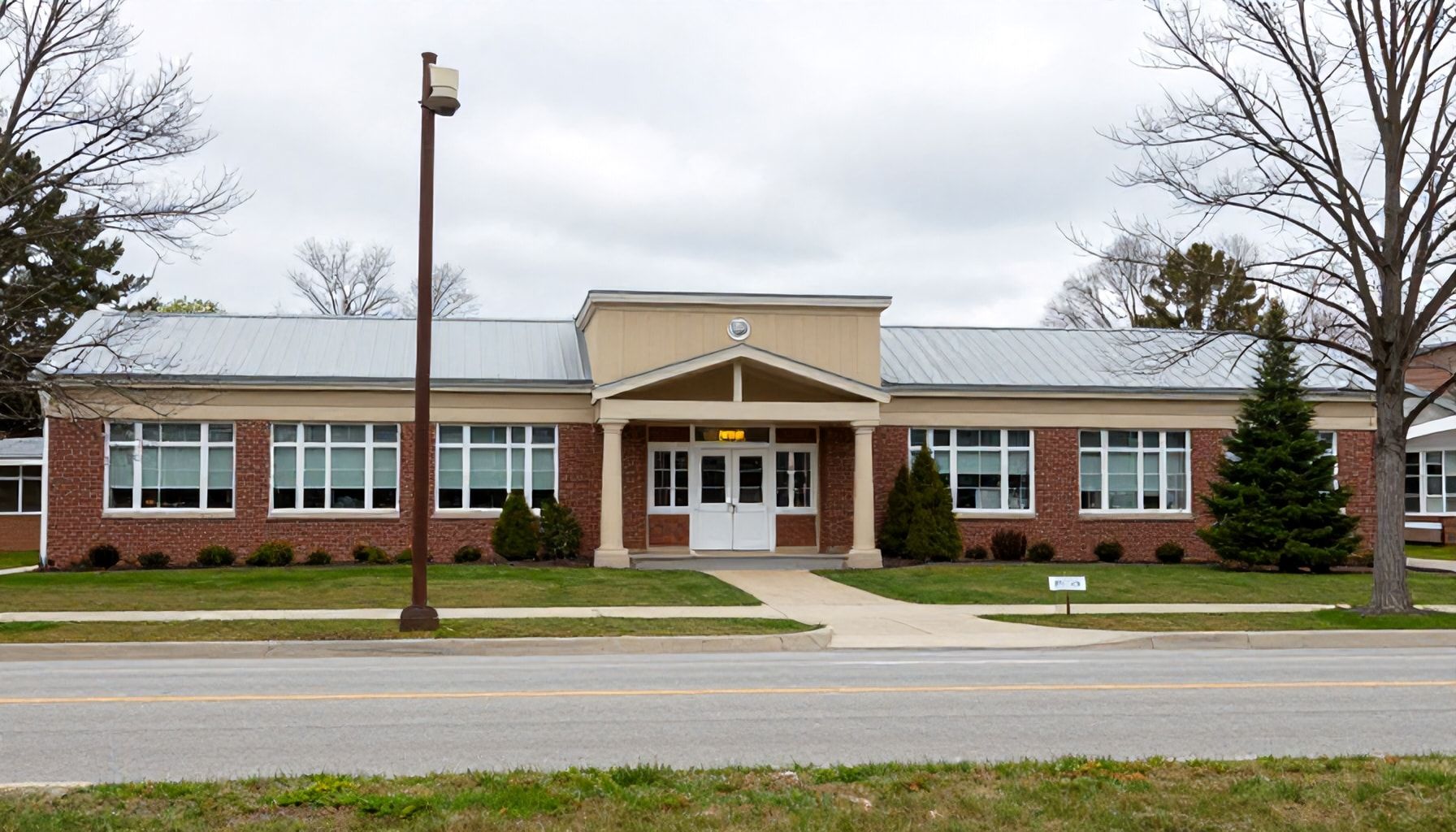
Burlington, Vermont, ground to a halt as schools and businesses temporarily closed their doors following the record-breaking snowfall. The city’s public schools announced closures, affecting over 18,000 students. Local businesses, including restaurants and retail stores, also shut down, with many employees sent home early to ensure safety.
University of Vermont officials canceled classes and suspended non-essential services. The university’s president emphasized the decision prioritized student and staff safety. Residential halls remained open, with dining services operating on a reduced schedule.
Local meteorologists attributed the heavy snowfall to a unique combination of atmospheric conditions. They predicted the city would see a gradual thaw over the next few days. However, officials warned residents to remain cautious, as melting snow could lead to localized flooding.
The National Weather Service advised residents to avoid unnecessary travel until conditions improved. They also reminded people to check on elderly neighbors and those with limited mobility. The agency’s spokesperson urged everyone to stay informed through official channels.
Local businesses adapt to winter challenges
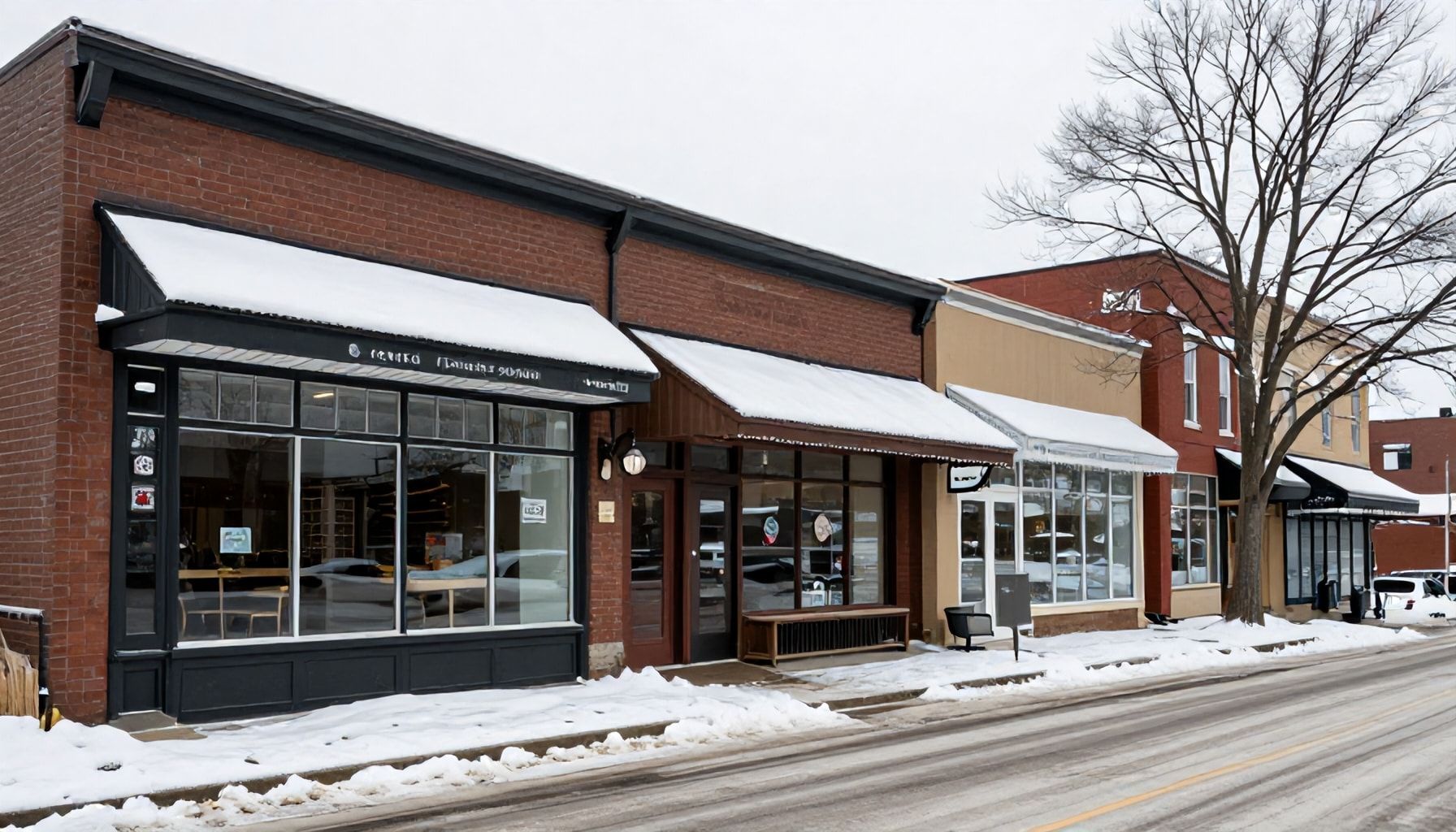
Local businesses in Burlington, Vermont, are demonstrating remarkable resilience as they navigate the challenges posed by the recent record-breaking snowfall. The storm dumped 12 inches of snow in just 24 hours, disrupting daily operations and forcing businesses to adapt quickly. Many have implemented flexible work hours, allowing employees to commute safely during daylight. Others have turned to digital platforms to maintain customer engagement and sales.
Retail stores, in particular, have faced significant hurdles. According to a local business association, foot traffic has dropped by nearly 30% since the storm. To counter this, some shops have extended their online presence, offering curbside pickup and local delivery options. This shift has not only helped sustain revenue but also introduced new customers to online shopping.
Restaurants have also felt the impact, with fewer diners venturing out in the harsh weather. Many have responded by enhancing their takeout and delivery menus, featuring comfort foods that appeal to those staying indoors. Some eateries have even partnered with local delivery services to expand their reach.
A local meteorologist noted that while the snowfall was unprecedented, the community’s response has been heartening. “Businesses are showing incredible adaptability, turning a challenging situation into an opportunity for growth,” they said. This spirit of innovation is expected to benefit the local economy in the long run.
As the snow begins to melt, businesses are already looking ahead, planning how to recover and thrive in the post-storm landscape. The recent events have underscored the importance of preparedness and adaptability in the face of unexpected challenges.
Forecasters predict more snow in coming days
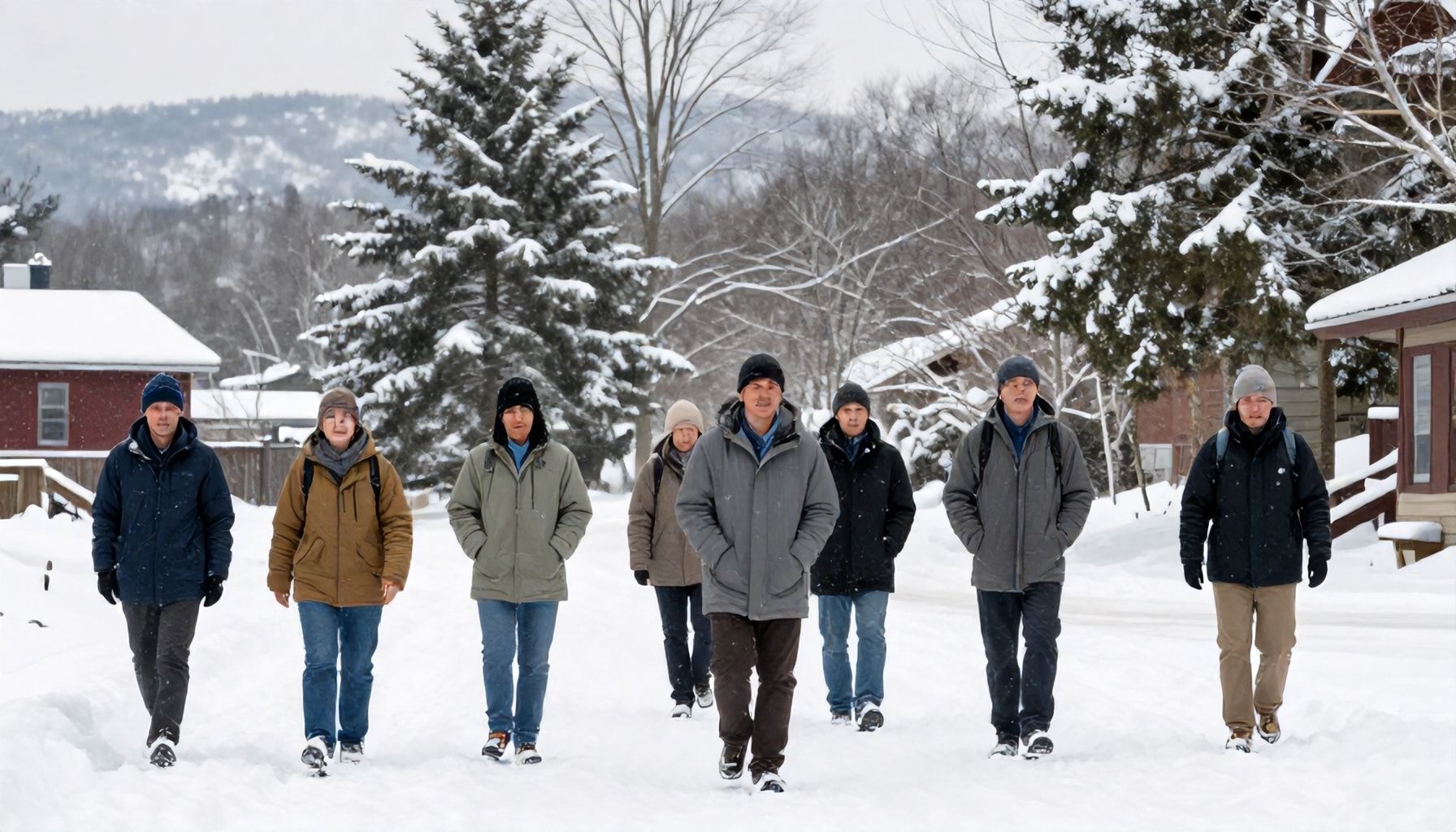
Burlington, Vermont, is bracing for more winter weather after a record-breaking snowfall dumped 12 inches in just 24 hours. The National Weather Service has issued winter storm warnings, with forecasters predicting an additional 6 to 10 inches in the coming days. Residents are urged to prepare for potential power outages and travel disruptions as the region faces another round of heavy snowfall.
Local meteorologists attribute the persistent snowfall to a persistent weather pattern. A low-pressure system is expected to stall over the region, drawing in moisture from the Great Lakes and dumping it as snow. This pattern, combined with below-freezing temperatures, creates ideal conditions for heavy, wet snow.
City officials are taking proactive measures to mitigate the impact of the upcoming storm. Public works crews have been pretreating roads and are on standby for around-the-clock snow removal. The Vermont Agency of Transportation has also mobilized resources to keep major highways clear and safe for travel. Despite these efforts, residents are advised to stay off the roads unless absolutely necessary.
According to the Vermont Department of Health, the state has already seen a 30% increase in weather-related emergency room visits this winter compared to last year. With more snow in the forecast, officials are urging residents to take precautions to prevent injuries and stay safe during the storm.
Burlington, Vermont, has experienced its most significant snowfall in decades, with a record-breaking 12 inches in just 24 hours. This unprecedented weather event has disrupted daily life, closed schools, and challenged city infrastructure, highlighting the need for preparedness in the face of extreme weather. Residents are advised to stay informed through local weather updates, ensure their homes are winterized, and avoid unnecessary travel until conditions improve. As the city digs out and recovers, this event serves as a stark reminder of the increasing frequency and intensity of winter storms in the region.