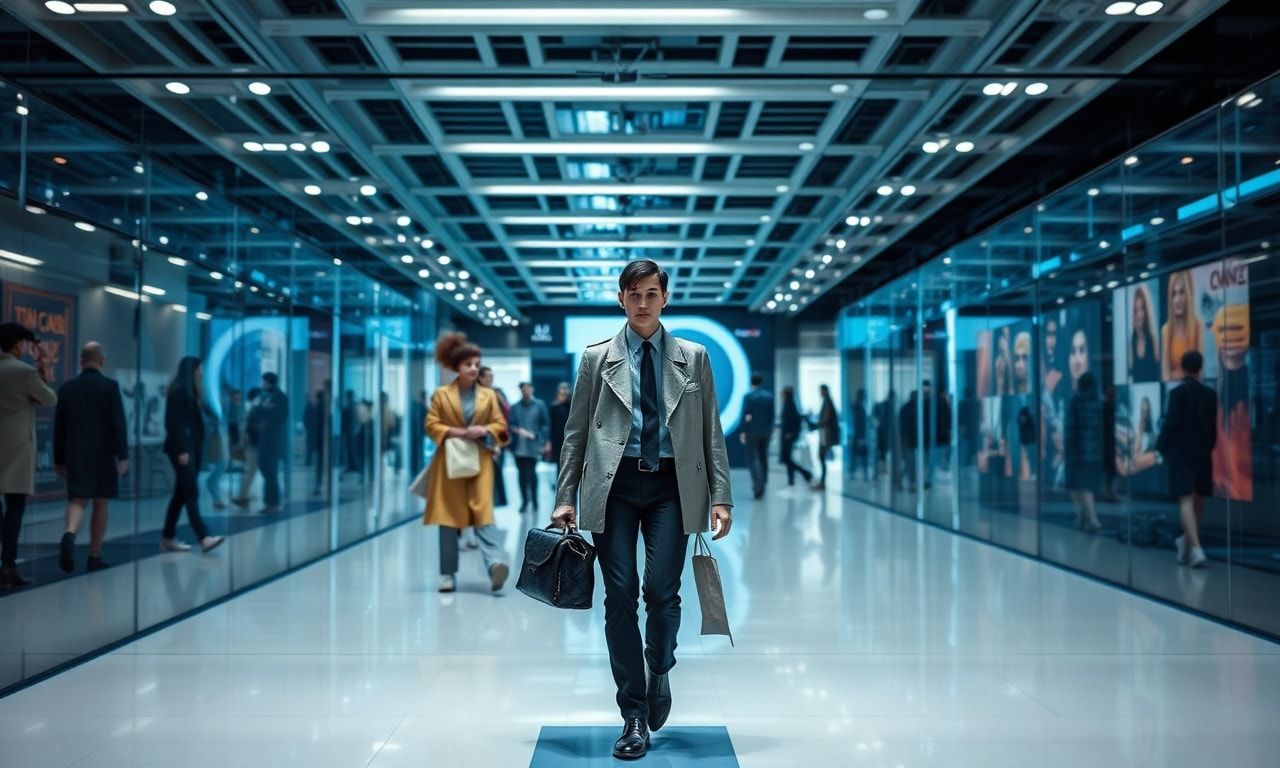
The Evolution of Fashion in the Digital Age
The fashion industry has always been a dynamic and ever-evolving sector, but the advent of technology has brought about a seismic shift in how we perceive and consume fashion. From virtual fashion shows to AI-driven design, the intersection of fashion and technology is creating new possibilities and redefining the boundaries of creativity. As we look towards the future, it’s clear that technology will continue to play a pivotal role in shaping the fashion landscape.
One of the most significant changes in recent years has been the rise of digital fashion. Virtual fashion shows, digital clothing, and even non-fungible tokens (NFTs) representing digital fashion items have become increasingly popular. These innovations not only provide new avenues for designers to showcase their work but also offer consumers a novel way to express their style in virtual spaces.
The Role of Artificial Intelligence in Fashion
Artificial Intelligence (AI) is revolutionizing the fashion industry in numerous ways. AI algorithms can analyze vast amounts of data to predict trends, optimize supply chains, and even create new designs. For instance, AI can scrutinize social media platforms to identify emerging trends and suggest designs that align with consumer preferences. This data-driven approach allows fashion brands to stay ahead of the curve and meet the demands of a rapidly changing market.
Moreover, AI is being used to enhance the shopping experience. Virtual try-on technologies, powered by AI, enable customers to see how clothes will look on them without physically trying them on. This not only improves the convenience of online shopping but also reduces the likelihood of returns, which is a significant challenge for e-commerce platforms.
The Impact of Sustainability on Future Fashion
Sustainability has become a critical consideration for the fashion industry. With growing awareness of the environmental impact of fast fashion, consumers are increasingly seeking out sustainable and ethical alternatives. This shift in consumer behavior is driving brands to adopt more sustainable practices, such as using eco-friendly materials, reducing waste, and implementing circular fashion models.
Innovations in technology are also contributing to sustainability efforts. For example, 3D printing allows for the creation of garments with minimal waste, while blockchain technology can be used to ensure transparency and traceability in the supply chain. These advancements are not only beneficial for the environment but also align with the values of a new generation of conscious consumers.
The Future of Fashion: Predictions and Trends
Looking ahead, several trends are expected to shape the future of fashion. One of the most exciting developments is the concept of 2026 modası giyim stil, which envisions a future where fashion is not only stylish but also functional and adaptive. This includes the integration of wearable technology, such as smart fabrics that can monitor health metrics or adjust to environmental conditions.
Another trend is the rise of personalized fashion. With advancements in AI and data analytics, brands can offer customized clothing that caters to individual preferences and body types. This level of personalization not only enhances the customer experience but also reduces the likelihood of returns and increases customer satisfaction.
The Challenges Ahead
Despite the numerous opportunities presented by technology, the fashion industry also faces significant challenges. One of the primary concerns is the ethical implications of AI and data usage. As AI becomes more integrated into the fashion industry, questions arise about data privacy, algorithmic bias, and the potential for job displacement. Addressing these challenges will require a collaborative effort between industry stakeholders, policymakers, and technology providers.
Additionally, the fashion industry must navigate the complexities of sustainability. While technological advancements offer promising solutions, implementing these changes on a large scale requires significant investment and commitment. Brands must be willing to prioritize sustainability over short-term profits and work towards creating a more sustainable and ethical fashion ecosystem.
In conclusion, the intersection of fashion and technology presents both opportunities and challenges. As we move towards the future, it is essential for the fashion industry to embrace innovation while also addressing the ethical and environmental concerns that come with it. By doing so, the industry can continue to thrive and meet the evolving needs of consumers in the digital age.
For a deeper understanding of this topic, The Intersection of Fashion and Technology: offers valuable insights worth exploring.
For a deeper understanding of this topic, Las Vegas Embarks on a New offers valuable insights worth exploring.