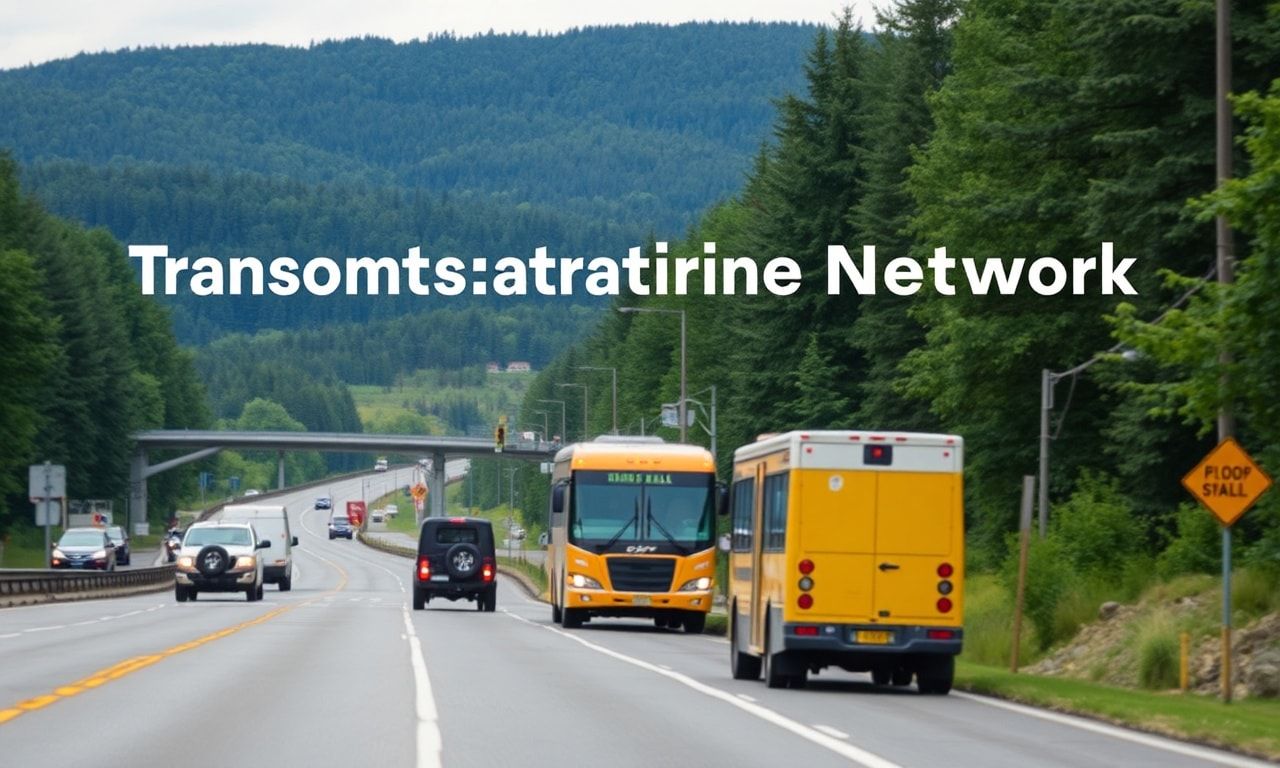
The Evolution of Vermont’s Transportation Infrastructure
Vermont, known for its picturesque landscapes and vibrant communities, has been steadily enhancing its transportation network to meet the evolving needs of its residents and visitors. The state’s commitment to improving roads, bridges, public transit, and other infrastructure is crucial for economic growth and quality of life. Recent developments highlight a blend of innovation and practicality, ensuring that Vermont remains connected and accessible.
Major Road and Bridge Projects
One of the most significant ongoing projects is the reconstruction of Interstate 89, a critical corridor for both local and interstate travel. The project aims to improve safety and reduce congestion, with phases expected to continue into the next few years. Additionally, the state has been proactive in addressing bridge maintenance, with several key bridges undergoing repairs and upgrades to ensure structural integrity and longevity.
In neighboring regions, such as Bristol, similar initiatives are underway. The Bristol transport links today reflect a concerted effort to modernize and expand transportation options, ensuring seamless connectivity for residents and businesses alike. These efforts are part of a broader trend across the Northeast, where states are investing heavily in infrastructure to support economic development and improve travel efficiency.
Public Transit Initiatives
Public transit in Vermont has seen notable improvements, with expanded bus routes and enhanced services. The Green Mountain Transit (GMT) system has been a cornerstone of these efforts, offering reliable and affordable transportation options for residents. Recent additions include new bus routes in Burlington and surrounding areas, providing better access to employment centers, educational institutions, and healthcare facilities.
Furthermore, the state has been exploring the feasibility of introducing light rail systems in densely populated areas. While still in the planning stages, these projects could significantly alter the transportation landscape, offering a sustainable and efficient alternative to traditional modes of travel. The potential benefits include reduced traffic congestion, lower emissions, and improved accessibility for all residents.
Sustainable Transportation Solutions
Vermont has long been a leader in environmental sustainability, and this commitment extends to its transportation sector. The state has been actively promoting alternative transportation methods, such as biking and walking, through the development of extensive bike lanes and pedestrian pathways. These initiatives not only encourage healthier lifestyles but also contribute to reducing the carbon footprint of the transportation sector.
Electric vehicle (EV) infrastructure is another area of focus. The state has been installing EV charging stations across various locations, making it easier for residents to adopt electric vehicles. Incentives and rebates are also available for those who purchase EVs, further promoting the transition to cleaner transportation options. These efforts align with Vermont’s goal of achieving carbon neutrality by 2050, demonstrating a strong commitment to environmental stewardship.
Challenges and Future Prospects
Despite the progress, Vermont faces several challenges in its quest to modernize its transportation network. Funding remains a significant hurdle, with state and federal budgets often stretched thin. Additionally, the state’s rural nature poses unique challenges in terms of infrastructure development and maintenance. Ensuring that all regions, including remote areas, have access to reliable transportation options is a priority for policymakers.
Looking ahead, Vermont’s transportation future appears promising. The state’s proactive approach to infrastructure development, combined with a strong focus on sustainability, positions it as a model for other regions. Continued investment in technology, such as smart traffic management systems and autonomous vehicles, could further enhance the efficiency and safety of the transportation network. Collaboration with neighboring states and federal agencies will also be crucial in addressing cross-border transportation issues and ensuring seamless connectivity.
Community Engagement and Public Involvement
Community engagement plays a vital role in shaping Vermont’s transportation policies. Public hearings, surveys, and town hall meetings provide valuable insights into the needs and preferences of residents. This inclusive approach ensures that transportation projects align with community priorities and address real-world challenges effectively.
For instance, the recent expansion of the GMT system was influenced by feedback from residents who highlighted the need for better connectivity between suburban areas and urban centers. Similarly, the development of bike lanes and pedestrian pathways has been guided by community input, ensuring that these projects enhance the overall quality of life for all residents.
As Vermont continues to evolve, the state’s transportation network will remain a critical component of its success. By embracing innovation, sustainability, and community engagement, Vermont is paving the way for a brighter, more connected future. The ongoing efforts to improve roads, bridges, public transit, and alternative transportation options reflect a commitment to excellence and a vision for a more efficient, sustainable, and inclusive transportation system.
If you enjoyed this article, we recommend checking out The Intersection of Technology and Organic for further reading.