The Rich Tapestry of Vermont’s Textile Heritage
Vermont, known for its picturesque landscapes and vibrant arts scene, has a lesser-known but equally rich heritage in the textile industry. This sector, which has been a part of the state’s economy for centuries, is a testament to the blend of traditional craftsmanship and modern innovation. From the early days of wool production to the contemporary textile design studios, Vermont’s textile industry has evolved, adapting to the changing times while preserving its unique identity.
The Historical Significance
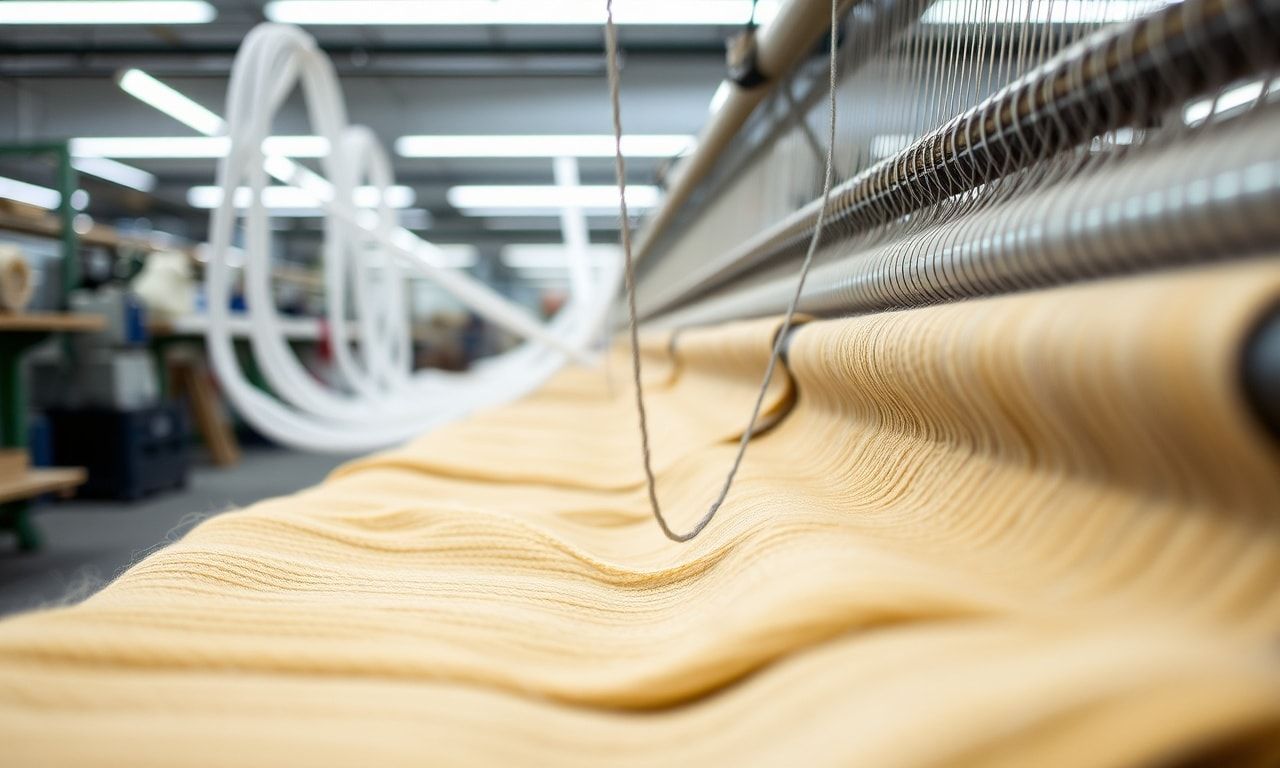
The history of Vermont’s textile industry dates back to the early 19th century when wool production became a significant part of the state’s economy. The cold climate and abundant pastureland made it ideal for sheep farming, and the wool from these sheep was used to create high-quality textiles. The industry flourished, with numerous mills and factories springing up across the state, providing employment and contributing to the local economy.
The Modern Textile Landscape
Today, Vermont’s textile industry is a far cry from its industrial past. While the state still has a few operational mills, the focus has shifted towards artisanal and sustainable practices. Local artisans and designers are reviving traditional techniques, such as hand-looming and natural dyeing, to create unique and eco-friendly textiles. These practices not only preserve the state’s textile heritage but also cater to the growing demand for sustainable and ethically produced goods.
Innovation and Sustainability
Innovation is at the heart of Vermont’s modern textile industry. Designers and artisans are experimenting with new techniques and materials to create textiles that are both functional and aesthetically pleasing. One such technique is the use of natural dyes, which are derived from plants, minerals, and other natural sources. These dyes are not only eco-friendly but also produce vibrant and long-lasting colors. For those interested in exploring these techniques further, resources like kumaş boyama işleri için en iyi yöntemler offer valuable insights into the best methods for fabric dyeing.
The Role of Education and Community
Education and community play a crucial role in the growth and sustainability of Vermont’s textile industry. Local schools and universities offer courses and workshops on textile design, weaving, and natural dyeing, providing aspiring artisans with the skills and knowledge they need to succeed. Community initiatives, such as textile cooperatives and artisan markets, also provide a platform for local artisans to showcase their work and connect with customers. These initiatives not only support the local economy but also foster a sense of community and shared purpose.
The Future of Vermont’s Textile Industry
The future of Vermont’s textile industry looks promising, with a growing demand for sustainable and ethically produced goods. As consumers become more conscious of the environmental and social impact of their purchases, the demand for locally made, eco-friendly textiles is expected to rise. This presents an opportunity for Vermont’s textile industry to grow and thrive, while also preserving its unique heritage and traditions.
In conclusion, Vermont’s textile industry is a testament to the blend of tradition and innovation. From its historical roots in wool production to its modern focus on sustainable and artisanal practices, the industry continues to evolve and adapt to the changing times. With the support of education, community, and innovation, Vermont’s textile industry is poised for a bright and sustainable future.