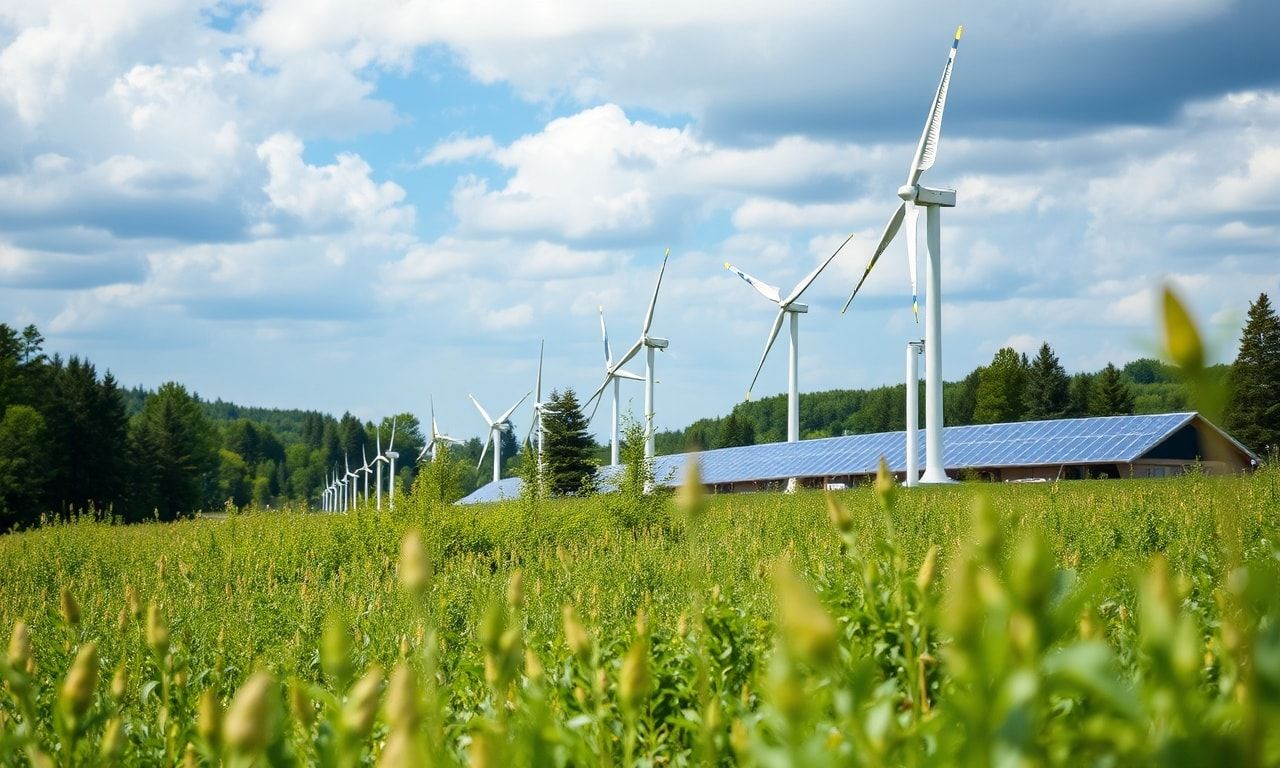
The Green Mountain State’s Ambitious Climate Goals
Vermont, known for its picturesque landscapes and eco-conscious residents, has been making significant strides in renewable energy and sustainability. The state’s ambitious climate goals aim to reduce greenhouse gas emissions by 80% by 2050, with an interim target of 25% reduction by 2025. These initiatives are not only crucial for the environment but also for the state’s economic development and energy independence.
Investing in Wind and Solar Power
Vermont’s renewable energy portfolio is diversified, with a strong focus on wind and solar power. The state has several wind farms, including the renowned Georgia Mountain Community Wind project, which has been operational since 2012. Solar energy is also gaining traction, with numerous residential and commercial installations. The state’s net metering program allows residents to sell excess solar energy back to the grid, making solar investments more attractive.
In addition to wind and solar, Vermont is exploring other renewable energy sources. The state has significant hydropower potential, and biomass energy is also being utilized, particularly in the form of wood pellets for heating. These diverse energy sources contribute to a more resilient and sustainable energy grid.
Energy Efficiency and Conservation
Energy efficiency is a cornerstone of Vermont’s renewable energy strategy. The state offers various incentives and programs to encourage residents and businesses to adopt energy-efficient practices. The Weatherization Assistance Program, for example, provides funding for home improvements that reduce energy consumption. Similarly, the Efficiency Vermont program offers rebates and technical assistance for energy-efficient upgrades in both residential and commercial settings.
Conservation efforts are also integral to Vermont’s sustainability goals. The state’s robust recycling program, combined with initiatives to reduce waste and promote composting, has significantly decreased the amount of waste sent to landfills. These efforts not only help the environment but also create jobs and stimulate local economies.
The Role of Community and Education
Community engagement and education are vital components of Vermont’s renewable energy initiatives. The state has numerous community-based organizations and cooperatives that promote sustainable practices and renewable energy adoption. These groups often collaborate with local governments and schools to educate residents about the benefits of renewable energy and energy efficiency.
Educational institutions in Vermont are also playing a crucial role. The University of Vermont, for instance, has a strong focus on sustainability research and offers various programs in renewable energy and environmental science. These educational initiatives help to cultivate a workforce that is knowledgeable and skilled in the field of renewable energy.
Global Trends and Local Impact
Vermont’s renewable energy initiatives are part of a broader global trend towards sustainability. As countries around the world strive to reduce their carbon footprints, Vermont’s efforts serve as a model for other regions. The state’s commitment to renewable energy and sustainability is not only beneficial for the environment but also for the local economy. The renewable energy sector creates jobs and attracts investment, contributing to economic growth and development.
For those interested in the latest trends in sustainable fashion and accessories, the 2026 sonbahar aksesuar trendleri offer a glimpse into the future of eco-friendly design. These trends highlight the growing importance of sustainability in all aspects of life, including fashion.
Challenges and Future Prospects
Despite the progress, Vermont faces several challenges in achieving its renewable energy goals. The state’s rural nature and harsh winters pose unique obstacles for renewable energy projects. However, innovative solutions and technological advancements are helping to overcome these challenges. For example, advancements in battery storage technology are making it easier to store excess renewable energy for use during periods of low production.
The future of renewable energy in Vermont looks promising. With continued investment and innovation, the state is well on its way to achieving its climate goals. The commitment to sustainability and renewable energy not only benefits the environment but also contributes to a more resilient and prosperous future for all residents.
As the fashion world looks ahead, Turkey’s 2026 summer fashion trends are emerging as a key story in the industry.