The Evolution of Vermont’s Food Culture
Vermont, known for its picturesque landscapes and maple syrup, has been quietly cultivating a vibrant culinary scene that blends traditional New England fare with innovative, farm-to-table dining experiences. This evolution has been driven by a growing number of locally sourced ingredients, a thriving community of chefs, and an increasing number of food enthusiasts who are eager to explore the state’s diverse offerings.
The state’s culinary journey has been marked by a return to basics, with a focus on locally sourced, seasonal ingredients. This trend is not only a nod to Vermont’s agricultural roots but also a response to the global movement towards sustainable and ethical eating. The result is a dining scene that is as diverse as it is delicious, offering everything from classic comfort food to avant-garde culinary creations.
The Rise of Farm-to-Table Dining
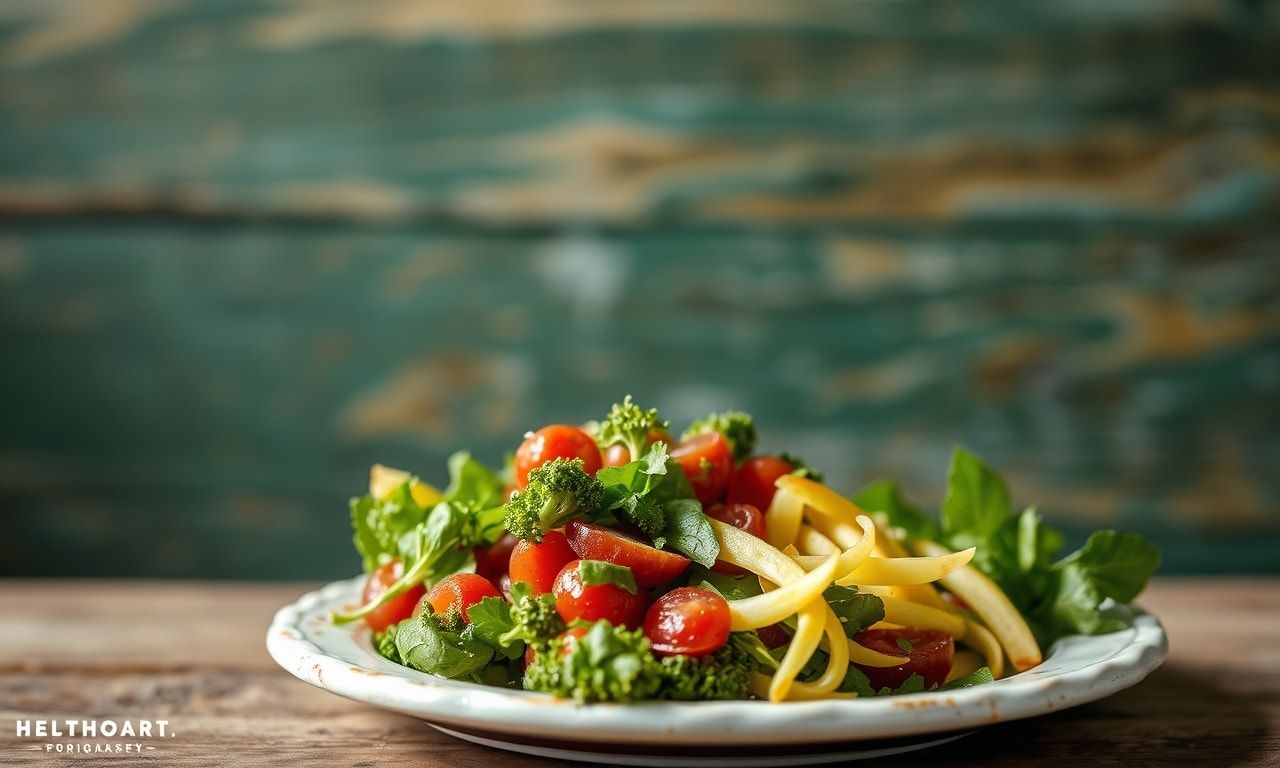
One of the most significant trends in Vermont’s culinary scene is the rise of farm-to-table dining. This approach emphasizes the use of locally sourced, seasonal ingredients, which not only supports local farmers but also ensures that the food is fresher and more flavorful. Many restaurants in the state have embraced this philosophy, creating menus that change with the seasons and highlight the best of what Vermont’s farms have to offer.
For instance, restaurants like The Farmhouse Tap & Grill in Stowe and Hen of the Wood in Waterbury have gained national acclaim for their commitment to farm-to-table dining. These establishments source their ingredients from local farms and producers, ensuring that their dishes are not only delicious but also sustainable. This trend has also led to a resurgence of interest in heirloom varieties of fruits and vegetables, as well as traditional cooking methods.
The Influence of International Cuisines
While Vermont’s culinary scene is deeply rooted in tradition, it is also influenced by a diverse range of international cuisines. The state’s growing immigrant population has brought with it a wealth of culinary traditions, from African and Asian to Latin American and Middle Eastern. This diversity has enriched Vermont’s food culture, offering residents and visitors alike a chance to explore the flavors of the world without leaving the state.
For example, Burlington’s vibrant food scene includes a variety of international restaurants, from Ethiopian and Indian to Vietnamese and Thai. These establishments not only offer a taste of different cultures but also contribute to the state’s culinary diversity. Additionally, many local chefs are incorporating international flavors and techniques into their own creations, resulting in a unique blend of traditional and global influences.
The Role of Food Festivals and Events
Food festivals and events play a crucial role in showcasing Vermont’s culinary talent and attracting food enthusiasts from around the country. These events provide a platform for local chefs and producers to showcase their skills and products, as well as an opportunity for visitors to sample the best of what the state has to offer.
One of the most notable events is the Vermont Food & Wine Classic, which brings together top chefs, sommeliers, and food producers for a weekend of culinary delights. Other popular events include the Stowe Farmers’ Market and the Burlington Wine & Food Festival, both of which highlight the state’s commitment to local and sustainable food. These events not only celebrate Vermont’s culinary scene but also contribute to its growth and development.
Moreover, Vermont’s culinary scene has gained international recognition through various food blogs and review sites. For instance, the Lagos restaurants best rated review has featured several Vermont eateries, highlighting their unique offerings and contributing to the state’s growing reputation as a culinary destination.
The Future of Vermont’s Culinary Scene
As Vermont’s culinary scene continues to evolve, it is clear that the state is poised to become a major player in the national food landscape. The combination of traditional and innovative dining experiences, a commitment to local and sustainable food, and a diverse range of international influences ensures that Vermont’s food culture will continue to thrive and attract food enthusiasts from around the world.
Looking ahead, the future of Vermont’s culinary scene looks bright. With a growing number of young chefs and entrepreneurs entering the field, as well as an increasing focus on sustainability and ethical eating, the state is well-positioned to continue its culinary evolution. Whether you’re a fan of classic New England fare or avant-garde culinary creations, Vermont’s dining scene offers something for everyone.
In conclusion, Vermont’s culinary scene is a testament to the state’s rich agricultural heritage and its commitment to innovation and sustainability. From farm-to-table dining to international cuisines, Vermont’s food culture is as diverse as it is delicious. As the state continues to attract food enthusiasts and culinary talent, it is clear that Vermont’s culinary scene will continue to flourish and captivate the palates of locals and visitors alike.