Introduction
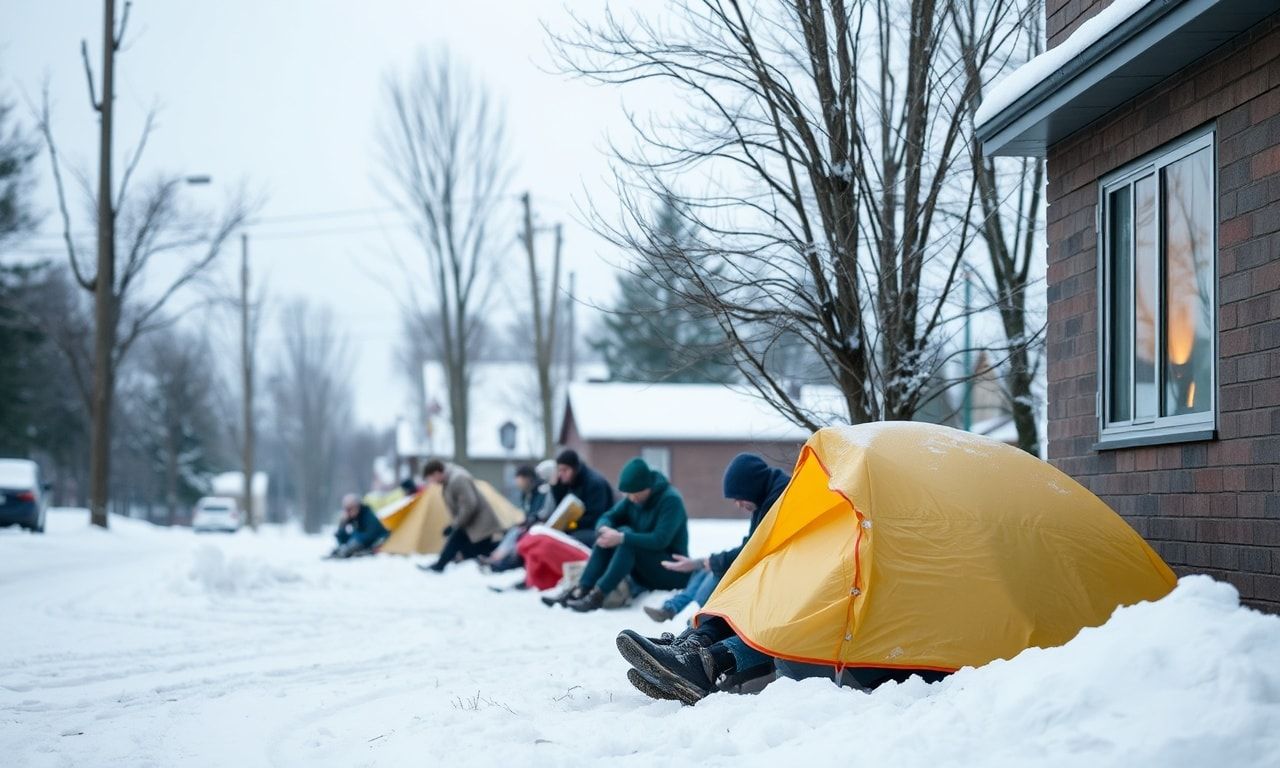
As winter tightens its grip on Vermont, the state’s homeless population faces unprecedented challenges. With temperatures plummeting and snowfall reaching record levels, communities across Vermont are rallying to provide shelter and support to those in need. This article explores the multifaceted efforts underway to address homelessness during the harsh winter months, highlighting both the struggles and the resilience of Vermont’s communities.
The Current State of Homelessness in Vermont
According to recent reports, Vermont has seen a significant increase in homelessness over the past few years. Factors contributing to this rise include a shortage of affordable housing, a lack of mental health services, and the ongoing impact of the COVID-19 pandemic. The Vermont Coalition to End Homelessness estimates that over 1,500 individuals are currently experiencing homelessness in the state, with many more at risk of losing their homes.
To compound the issue, the harsh winter conditions have exacerbated the situation. With the regional weather forecast today predicting more snow and subzero temperatures, the need for immediate action has become even more critical. Homeless individuals are particularly vulnerable to frostbite, hypothermia, and other cold-related illnesses, making it imperative for communities to step up and provide assistance.
Community Efforts to Combat Homelessness
In response to the growing crisis, various community organizations and local governments have initiated programs to support the homeless population. Here are some of the key efforts:
- Emergency Shelters: Organizations such as the Vermont Affordable Housing Coalition and the Chittenden Emergency Homeless Shelter (CEHS) have expanded their services to accommodate more individuals. These shelters provide not only a warm place to stay but also access to food, clothing, and medical care.
- Outreach Programs: Nonprofits like the Vermont Community Foundation and the United Way of Vermont have launched outreach programs to connect homeless individuals with essential resources. These programs focus on providing information about shelter availability, healthcare services, and job training opportunities.
- Volunteer Initiatives: Local volunteers have been instrumental in organizing drives for warm clothing, blankets, and non-perishable food items. Community centers and churches have also opened their doors to provide temporary shelter and support.
The Role of Government and Policy
The Vermont government has recognized the severity of the situation and has taken steps to address the issue. The state has allocated additional funding to support homeless shelters and housing programs. Furthermore, lawmakers are working on long-term solutions, such as increasing affordable housing options and expanding access to mental health and substance abuse treatment services.
However, critics argue that more needs to be done. Advocacy groups have called for greater investment in preventive measures, such as rental assistance programs and job training initiatives, to address the root causes of homelessness. They also emphasize the need for a coordinated effort between state agencies, nonprofits, and community organizations to ensure that resources are allocated effectively.
The Impact of Winter Weather on Homeless Individuals
The harsh winter weather in Vermont poses significant risks to homeless individuals. Exposure to extreme cold can lead to life-threatening conditions, including frostbite and hypothermia. The lack of adequate shelter and warm clothing exacerbates these risks, making it crucial for communities to provide immediate assistance.
In addition to physical health concerns, the psychological impact of homelessness during winter cannot be overlooked. The isolation and stress of living on the streets can take a toll on mental health, leading to increased rates of depression, anxiety, and substance abuse. Providing access to mental health services and support networks is essential for addressing these challenges.
Looking Ahead: Long-Term Solutions
While immediate efforts to address homelessness during the winter are critical, long-term solutions are necessary to ensure sustainable change. This includes investing in affordable housing, expanding access to healthcare and social services, and creating job opportunities for those in need.
Community engagement and advocacy play a vital role in driving these changes. By raising awareness and mobilizing resources, communities can work together to create a safer and more supportive environment for all residents. The Vermont Coalition to End Homelessness and other advocacy groups continue to push for policy changes that prioritize the needs of the homeless population.
In conclusion, the rising homelessness crisis in Vermont during the winter months highlights the urgent need for collective action. Through community efforts, government support, and long-term policy changes, Vermont can address this pressing issue and provide hope and support to those in need.