Introduction
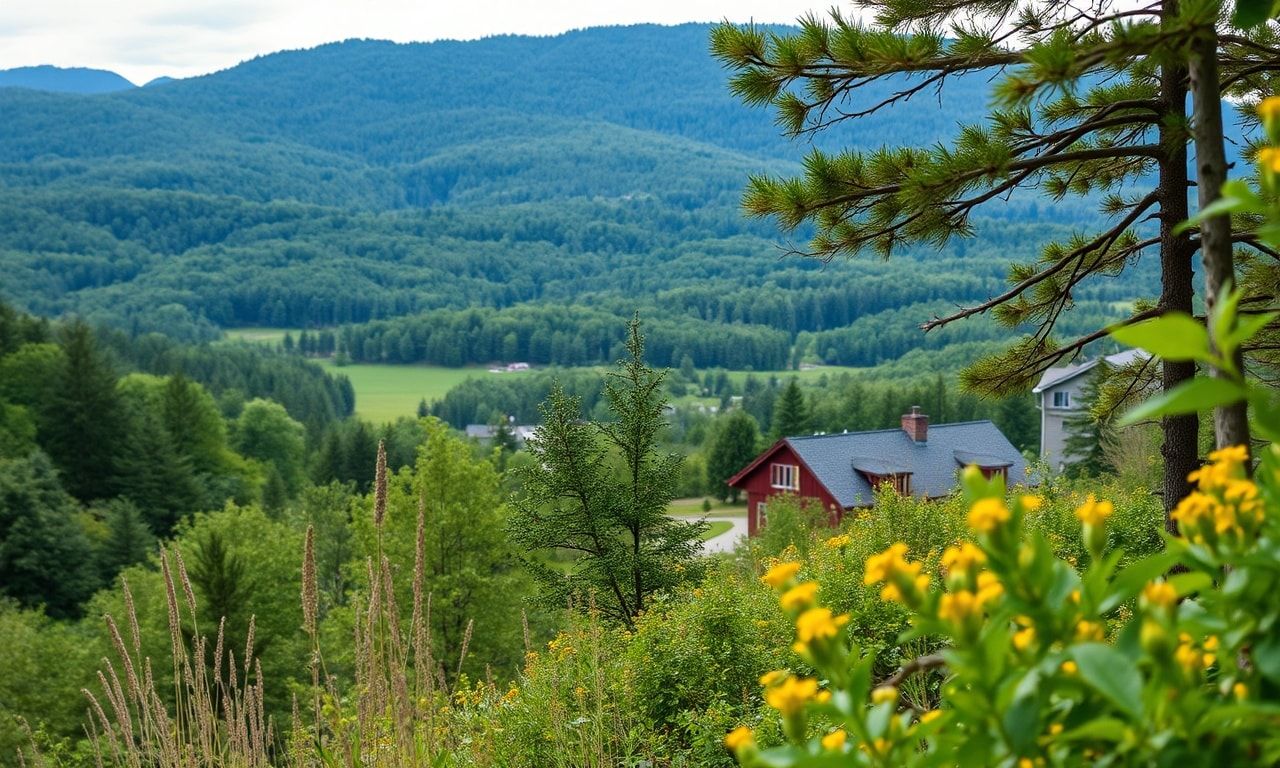
Vermont, known for its picturesque landscapes and charming small towns, has long been a magnet for tourists seeking a quintessential New England experience. However, with the rise in popularity comes the challenge of sustainable tourism. The state is navigating this delicate balance by implementing innovative strategies to preserve its natural beauty and cultural heritage while welcoming visitors from around the world.
The Impact of Tourism on Vermont
Tourism is a vital part of Vermont’s economy, contributing significantly to local businesses and employment. According to recent data, the state sees over 13 million visitors annually, generating billions in economic impact. However, this influx of tourists also brings challenges such as environmental degradation, strain on local resources, and the gentrification of communities. Stakeholders are increasingly aware of the need for sustainable practices to mitigate these issues.
Environmental Concerns
The natural landscapes of Vermont, including its forests, mountains, and lakes, are under pressure from increased foot traffic and development. Hiking trails, camping sites, and scenic drives are popular attractions but also face wear and tear. Environmental groups are advocating for better trail maintenance, waste management, and conservation efforts to protect these areas for future generations.
Economic and Social Challenges
The economic benefits of tourism are undeniable, but they are not evenly distributed. While some businesses thrive, others struggle to keep up with the rising costs and competition. Additionally, the housing market in popular tourist destinations is becoming increasingly unaffordable for locals due to the demand from second-home buyers and short-term rental investments. This has sparked debates about zoning laws and affordable housing initiatives.
Innovative Solutions for Sustainable Tourism
In response to these challenges, Vermont is adopting a multi-faceted approach to sustainable tourism. Local governments, businesses, and community organizations are collaborating to implement policies and practices that promote responsible travel. One such initiative is the promotion of budget travel tips saving money to encourage visitors to spend wisely and support local economies without compromising their travel experience.
Community-Based Tourism
Community-based tourism is gaining traction as a way to involve local residents in the tourism industry. This approach ensures that the benefits of tourism are shared more equitably and that visitors gain a more authentic experience. Programs that connect tourists with local artisans, farmers, and guides are being developed to foster cultural exchange and economic support for local communities.
Eco-Friendly Practices
Many businesses in Vermont are adopting eco-friendly practices to reduce their environmental footprint. Hotels and lodges are implementing energy-efficient technologies, reducing water usage, and sourcing locally to minimize their impact. Tour operators are also encouraging visitors to engage in low-impact activities such as hiking, biking, and wildlife watching, which have minimal environmental effects.
The Role of Technology in Sustainable Tourism
Technology plays a crucial role in promoting sustainable tourism. Digital platforms are being used to educate visitors about responsible travel practices and to provide real-time information on trail conditions, weather, and local events. Mobile apps and websites offer resources for planning eco-friendly trips, finding local markets, and supporting sustainable businesses. These tools help tourists make informed decisions that align with their values and contribute positively to the communities they visit.
Virtual Tourism
Virtual tourism is another innovative solution that reduces the physical impact of travel. By offering virtual tours of Vermont’s landmarks and attractions, the state can cater to a global audience without the environmental cost of mass tourism. This approach also provides an accessible way for individuals who may not be able to travel to experience the beauty and culture of Vermont.
Future Prospects and Challenges
The future of sustainable tourism in Vermont hinges on continued collaboration between stakeholders and a commitment to long-term planning. While the state has made significant strides, challenges such as climate change, economic disparities, and infrastructure limitations remain. Addressing these issues requires ongoing efforts from policymakers, businesses, and the community to ensure that Vermont’s tourism industry thrives without compromising its natural and cultural heritage.
As Vermont continues to navigate the complexities of sustainable tourism, it serves as a model for other destinations grappling with similar challenges. By prioritizing responsible travel practices and community engagement, the state is paving the way for a more sustainable and inclusive tourism industry.