Renowned Professor and Musician Z. Philip Ambrose Remembered for Contributions to Classics and Music Community
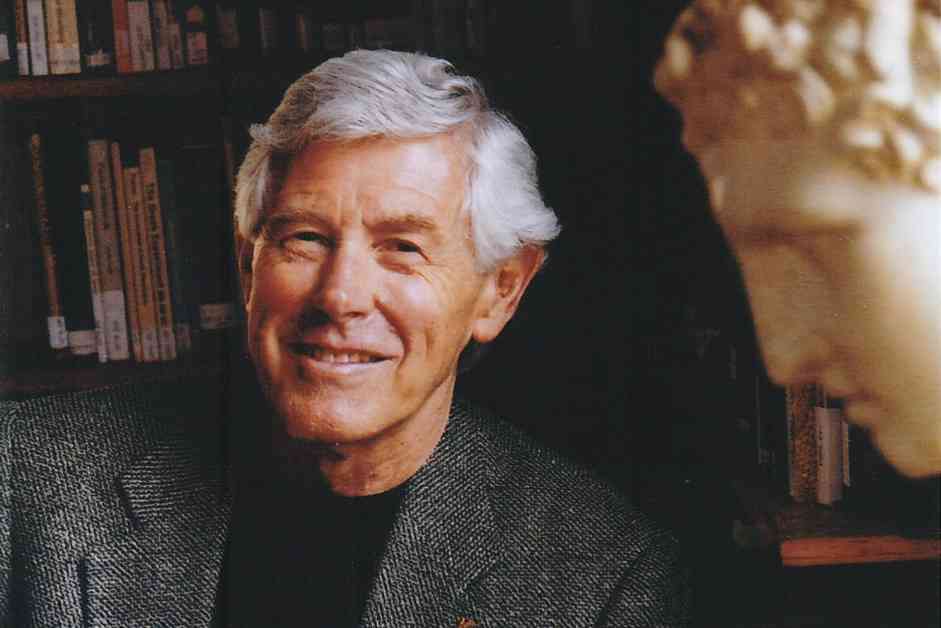
The passing of Z. Philip Ambrose on February 11, 2025, at the McClure Miller Respite House in Colchester, Vermont, marked the end of an era for the University of Vermont and the broader academic and music communities. Born on June 9, 1936, in Ponca City, Oklahoma, Philip Ambrose was a beloved figure in Burlington and beyond, leaving a profound impact on generations of students, colleagues, and music enthusiasts.
### A Life Dedicated to Classics and Music
Philip’s journey began in Oklahoma before he made his mark at the University of Vermont, where he served as a distinguished professor of Classics for over four decades. His passion for Greek mythology and language extended far beyond the classroom, influencing students from various backgrounds and disciplines. Known for his inspiring teaching style and unwavering dedication to the field, Philip’s legacy lives on through the countless lives he touched throughout his academic career.
### Musical Legacy and Global Connections
Beyond his academic pursuits, Philip was a gifted musician with a deep love for the works of Johann Sebastian Bach. His mastery of the German language, acquired during his time in Vienna, allowed him to delve into the intricacies of Bach’s vocal compositions, culminating in his groundbreaking work, *J.S. Bach: The Vocal Texts in English Translation with Commentary*. This seminal publication, first released in 1984, showcased Philip’s expertise in musicology and linguistic precision, solidifying his reputation as a leading authority in the field.
In addition to his academic and musical achievements, Philip’s personal connections spanned continents, from his ancestral roots in Germany to the picturesque landscapes of Italy. His ability to bridge cultural divides and form lasting relationships with family members abroad underscored his innate curiosity and love for exploration.
### A Lasting Legacy and Family Ties
Philip’s impact extended far beyond his professional accomplishments, touching the lives of his family, friends, and community members. His commitment to his loved ones was unwavering, evident in the cherished memories shared with his wife Gretchen van Slyke, daughters Lisa and Julia, grandchildren, and extended family members. Whether performing with fellow musicians, sharing stories of his childhood adventures, or engaging in scholarly pursuits, Philip’s warmth and generosity shone through in every aspect of his life.
As the University of Vermont and the wider academic community mourn the loss of a true visionary, Philip’s spirit lives on in the halls of the Classics department, the notes of Bach’s compositions, and the hearts of all who had the privilege of knowing him. His dedication to his craft, his passion for music, and his unwavering commitment to excellence serve as a lasting testament to a life well-lived.
The legacy of Z. Philip Ambrose, cherished professor, musician, and friend, will continue to inspire future generations to pursue their passions with unwavering dedication and boundless curiosity.