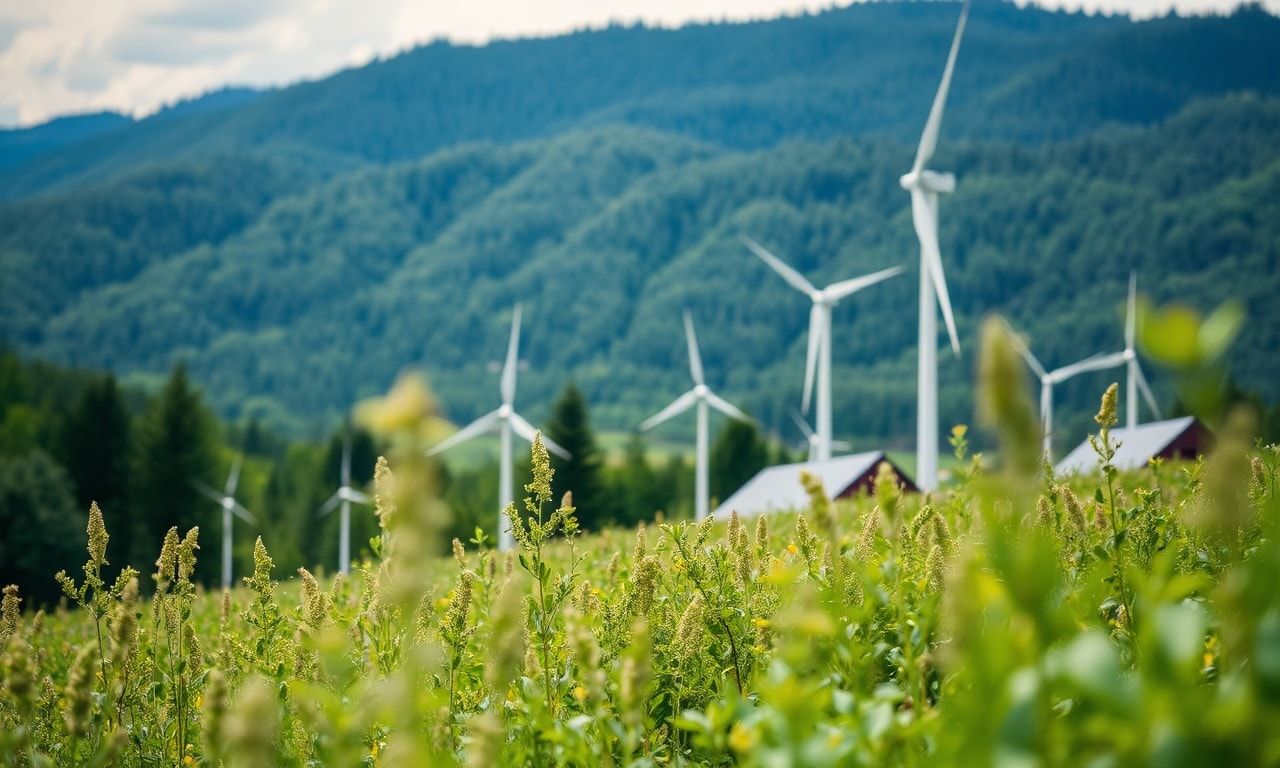
The Green Mountain State Leads in Sustainability
Vermont, known for its picturesque landscapes and commitment to environmental stewardship, is once again making headlines with its ambitious renewable energy initiatives. The state’s recent legislative session saw the passage of several groundbreaking bills aimed at reducing carbon emissions and promoting sustainable energy sources. These efforts not only set a high standard for other states to follow but also provide a blueprint for national energy policy.
Legislative Milestones in 2023
This year, Vermont’s lawmakers approved a series of measures designed to accelerate the transition to renewable energy. Among the most notable is the Vermont Global Warming Solutions Act, which mandates a reduction in greenhouse gas emissions by 80% by 2050. The act also establishes a framework for the state to achieve 100% renewable energy in the electricity sector by 2030. These targets are some of the most aggressive in the nation and reflect Vermont’s commitment to combating climate change.
In addition to these ambitious goals, the state has also invested heavily in community-based renewable energy projects. These initiatives empower local communities to develop and manage their own renewable energy sources, fostering a sense of ownership and sustainability. The state’s Community Energy Program has already funded several solar and wind projects, providing clean energy to thousands of households.
Innovative Incentives for Residents and Businesses
To encourage widespread adoption of renewable energy, Vermont has implemented a range of incentives for both residents and businesses. The state offers tax credits for the installation of solar panels, wind turbines, and other renewable energy systems. These credits, combined with low-interest loans and grants, make renewable energy more accessible and affordable for all Vermonters.
Businesses, too, are benefiting from Vermont’s renewable energy initiatives. The state’s Green Business Program provides technical assistance and financial incentives to companies that adopt sustainable practices. This program not only helps businesses reduce their carbon footprint but also enhances their competitive edge in the market. As a result, Vermont is becoming a hub for green innovation and sustainable business practices.
Challenges and Future Prospects
Despite these significant strides, Vermont faces several challenges in its quest for renewable energy dominance. The state’s rugged terrain and harsh winters present unique obstacles for the development of wind and solar projects. Additionally, the high cost of renewable energy infrastructure remains a barrier for many residents and businesses.
To overcome these challenges, Vermont is investing in research and development to improve the efficiency and affordability of renewable energy technologies. The state’s universities and research institutions are at the forefront of this effort, collaborating with industry leaders to develop cutting-edge solutions. Furthermore, Vermont is exploring new opportunities in energy storage and grid modernization to ensure a reliable and resilient energy system.
Lessons for the Nation
Vermont’s renewable energy initiatives offer valuable lessons for the rest of the nation. The state’s success demonstrates that ambitious goals, coupled with innovative policies and community engagement, can drive significant progress in the transition to renewable energy. As other states grapple with the challenges of climate change, Vermont’s experience provides a roadmap for achieving sustainability and reducing carbon emissions.
Moreover, Vermont’s focus on community-based renewable energy projects highlights the importance of local involvement in the energy transition. By empowering communities to take ownership of their energy future, Vermont has created a model that fosters sustainability and resilience. This approach not only benefits the environment but also strengthens the social fabric of the communities involved.
As the nation looks towards a future powered by renewable energy, Vermont stands as a beacon of hope and innovation. The state’s commitment to sustainability and its achievements in renewable energy serve as an inspiration for other states and a testament to the power of collective action. With continued investment and collaboration, Vermont’s renewable energy initiatives will pave the way for a cleaner, greener future for all.
For those interested in maintaining their summer wardrobe, the yaz giysileri bakım ipuçları 2026 provide valuable tips on caring for your favorite summer outfits, ensuring they stay in top condition for years to come.
To understand how global events shape fashion trends, consider exploring future fashion trends in context and their implications.
As the fashion industry continues to evolve, understanding its environmental impact has become crucial; delve into future fashion climate trends for an in-depth analysis.
As the academic year concludes, discover the unique aspects of Turkey’s 2024 summer school break with special features of this year’s holiday.