The Green Mountain State Leads the Way in Renewable Energy
Vermont, known for its picturesque landscapes and commitment to environmental sustainability, has once again set an example for the rest of the nation with its ambitious renewable energy initiatives. The state’s recent strides in clean energy not only highlight its dedication to reducing carbon emissions but also offer valuable lifestyle tips for daily improvement in sustainable living.
Expanding Solar and Wind Energy
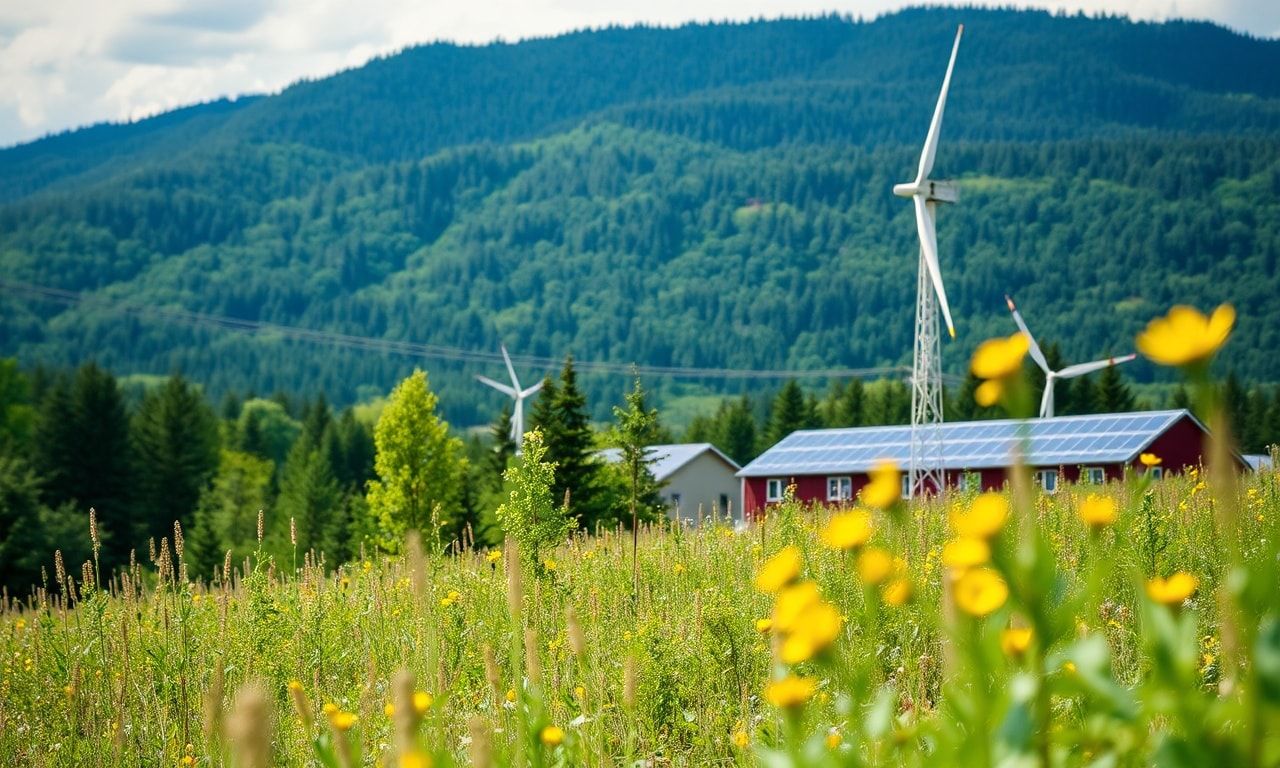
Vermont’s renewable energy portfolio has seen significant growth, particularly in solar and wind energy. The state has implemented various incentives for residents and businesses to adopt solar panels, leading to a substantial increase in solar energy production. Wind energy projects, both large-scale and community-based, have also been instrumental in diversifying Vermont’s energy mix. These initiatives align with the state’s goal of achieving 90% renewable energy by 2050.
According to the Vermont Department of Public Service, the state has witnessed a 30% increase in solar installations over the past five years. This growth is attributed to the state’s feed-in tariff program, which guarantees a fixed price for solar energy fed back into the grid. Such policies not only promote renewable energy adoption but also create jobs and stimulate the local economy.
Community-Based Energy Projects
One of the most innovative aspects of Vermont’s renewable energy strategy is its focus on community-based energy projects. These projects empower local communities to take control of their energy future by investing in renewable energy sources. For instance, the Vermont Community Wind project in Lowell has successfully harnessed wind energy to power local homes and businesses, demonstrating the feasibility and benefits of community-driven initiatives.
These community projects are not only environmentally beneficial but also foster a sense of collective responsibility and ownership. Residents actively participate in decision-making processes, ensuring that the projects align with their values and needs. This collaborative approach has proven to be a successful model for sustainable development.
Energy Efficiency and Conservation
In addition to expanding renewable energy sources, Vermont has placed a strong emphasis on energy efficiency and conservation. The state’s Energy Efficiency Resource Standards (EERS) mandate that utilities achieve specific energy savings targets. This has led to the implementation of various programs aimed at improving energy efficiency in homes, businesses, and public buildings.
For example, the Weatherization Assistance Program provides low-income households with free energy audits and home improvements to reduce energy consumption. Similarly, the Small Scale Renewable Energy Program offers financial incentives for installing energy-efficient appliances and systems. These initiatives not only lower energy bills but also contribute to the state’s overall energy savings.
The Role of Policy and Legislation
Vermont’s success in renewable energy can be attributed to its supportive policy and legislative framework. The state’s Renewable Energy Standard (RES) requires that a certain percentage of the state’s energy come from renewable sources. This mandate has driven significant investment in renewable energy projects and created a favorable environment for innovation and growth.
Furthermore, Vermont’s Global Warming Solutions Act sets clear targets for reducing greenhouse gas emissions. The act requires the state to achieve a 25% reduction in emissions by 2025 and an 80% reduction by 2050. These ambitious goals have spurred action across various sectors, from transportation to agriculture, to reduce emissions and promote sustainable practices.
Challenges and Future Prospects
Despite its progress, Vermont faces challenges in its quest for renewable energy dominance. The state’s rugged terrain and harsh winters pose logistical challenges for renewable energy projects. Additionally, the high upfront costs of renewable energy systems can be a barrier for some residents and businesses.
However, Vermont’s commitment to innovation and sustainability continues to drive its renewable energy efforts. The state is exploring new technologies, such as advanced biofuels and energy storage systems, to further diversify its energy portfolio. Moreover, ongoing research and development in renewable energy technologies promise to make these systems more affordable and efficient in the future.
As Vermont continues to lead the way in renewable energy, it serves as a model for other states and countries looking to transition to a sustainable energy future. The state’s holistic approach, combining policy, community engagement, and technological innovation, offers valuable insights and lifestyle tips for daily improvement in sustainable living. For more information on sustainable living and daily improvement tips, visit lifestyle tips daily improvement.