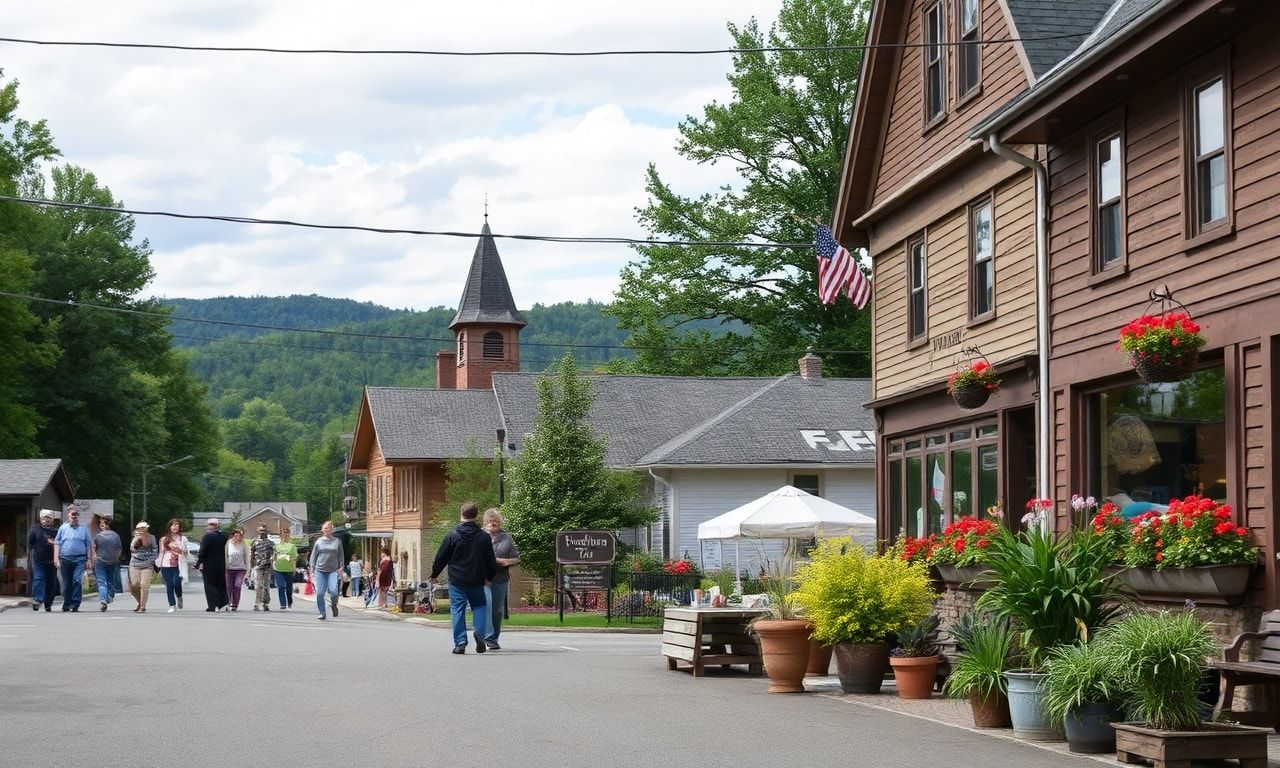
The Evolution of Vermont’s Cultural Landscape
Vermont, known for its picturesque landscapes and rich history, has been quietly cultivating a vibrant cultural scene that rivals those of larger cities. From traditional folk art to contemporary performances, the state offers a diverse range of cultural experiences that attract both locals and tourists. This article explores the dynamic cultural landscape of Vermont, highlighting its unique blend of tradition and innovation.
Historical Foundations
The cultural roots of Vermont run deep, with influences from Native American heritage, European settlers, and a strong tradition of folk art. The state’s history is preserved in its numerous museums and historical sites, which offer a glimpse into the past. For instance, the Shelburne Museum in Shelburne, VT, showcases a vast collection of art, artifacts, and historic buildings that tell the story of Vermont’s cultural evolution.
In addition to its historical sites, Vermont is home to a thriving arts community. The state’s numerous galleries and studios provide a platform for local artists to display their work, ranging from traditional paintings to modern installations. The Vermont Arts Council plays a crucial role in supporting and promoting the arts, ensuring that the state’s cultural heritage continues to flourish.
Festivals and Events
Vermont’s cultural scene is brought to life through its numerous festivals and events, which celebrate everything from music and dance to food and film. One of the most notable events is the Vermont FolkLife Festival, which showcases traditional music, dance, and crafts from around the world. This annual event attracts thousands of visitors, providing a platform for cultural exchange and celebration.
For those interested in exploring cultural events beyond Vermont, the utrecht cultuur evenementen agenda offers a comprehensive guide to the vibrant cultural scene in Utrecht, Netherlands. This resource highlights the diverse range of events and activities available, from music and theater to art exhibitions and festivals.
Music and Performing Arts
The music and performing arts scene in Vermont is as diverse as it is dynamic. The state is home to several renowned music venues, including the Flynn Center for the Performing Arts in Burlington and the Chandler Center for the Arts in Randolph. These venues host a wide range of performances, from classical concerts to contemporary theater productions, catering to a variety of tastes and preferences.
Vermont’s music scene is also characterized by its strong folk and bluegrass traditions. The state has produced several notable musicians, including Bill Morrissey and Anais Mitchell, who have gained national and international recognition. Local music festivals, such as the Vermont Mozart Festival and the Burlington Discover Jazz Festival, provide a platform for both established and emerging artists to showcase their talent.
Theater and Dance
The theater and dance scene in Vermont is equally vibrant, with numerous companies and organizations dedicated to promoting the performing arts. The Vermont Stage Company, based in Burlington, is one of the state’s leading theater companies, producing a diverse range of plays and performances throughout the year. The company is committed to fostering local talent and providing high-quality entertainment for audiences of all ages.
Dance enthusiasts will find plenty to enjoy in Vermont, with several dance companies and studios offering a variety of performances and classes. The Vermont Dance Alliance, for example, is a non-profit organization dedicated to promoting dance in the state. The alliance hosts numerous events and workshops, providing a platform for dancers of all levels to showcase their skills and connect with the broader dance community.
Literary and Visual Arts
Vermont’s literary scene is rich and diverse, with a strong tradition of storytelling and poetry. The state is home to several renowned writers, including Howard Frank Mosher and John Irving, who have contributed significantly to American literature. Vermont’s numerous bookstores, libraries, and literary festivals provide a platform for both established and emerging writers to share their work with a wider audience.
The visual arts scene in Vermont is equally impressive, with numerous galleries and studios showcasing the work of local and national artists. The state’s diverse landscapes and natural beauty provide a constant source of inspiration for artists, resulting in a wide range of artistic styles and mediums. The Vermont Arts Council plays a crucial role in supporting and promoting the visual arts, ensuring that the state’s cultural heritage continues to thrive.
Public Art and Installations
Vermont’s commitment to the arts is evident in its numerous public art installations and murals, which can be found in cities and towns throughout the state. These installations not only enhance the visual appeal of public spaces but also serve as a testament to the state’s rich cultural heritage. The Vermont Public Art Program, for example, is dedicated to promoting public art and providing a platform for artists to showcase their work in public spaces.
In conclusion, Vermont’s cultural scene is a dynamic and diverse blend of tradition and innovation. From its historical foundations to its vibrant music, theater, and visual arts scenes, the state offers a wealth of cultural experiences that cater to a wide range of interests and preferences. Whether you’re a local resident or a visitor, Vermont’s cultural landscape is sure to inspire and captivate you.
Amidst the latest health trends, our latest feature boosting life quality through wellness offers practical steps to enhance your well-being.
In the realm of urban innovation, a new article explores Utrecht’s tech advancements in traffic management, offering a glimpse into the city’s cutting-edge solutions.
To stay informed about the latest developments and their local implications, consider reviewing this week’s global trends analysis.