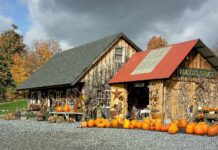
Wilshire Vermont: Discover Why It’s The Ultimate Lifestyle Choice
Are you searching for the perfect blend of luxury living and vibrant community vibes? Look no further than Wilshire Vermont, a hidden gem that’s rapidly becoming the ultimate lifestyle destination for savvy homebuyers and lifestyle enthusiasts alike. This thriving neighborhood offers an unparalleled mix of convenience, modern amenities, and a welcoming atmosphere that promises to transform your everyday life. But what exactly makes Wilshire Vermont homes stand out in today’s competitive real estate market? Let’s dive deep into why this remarkable area is capturing the hearts of so many.
Situated in the heart of a bustling urban landscape, Wilshire Vermont boasts an impressive range of features that cater to diverse lifestyles. Whether you’re a young professional craving easy access to work hubs, a family seeking safe and friendly surroundings, or an investor hunting for high-growth potential properties, this community has something unique for everyone. From luxury condos with stunning city views to charming single-family homes nestled in tree-lined streets, the real estate options are as varied as they are attractive. Plus, with its close proximity to top-rated schools, trendy shopping districts, and vibrant entertainment venues, living in Wilshire Vermont means you’re never far from the action.
But it’s not just about location and amenities – the true appeal of Wilshire Vermont lifestyle lies in its sense of belonging and community spirit. Residents often rave about the welcoming neighbors, engaging local events, and abundant green spaces that encourage a balanced, healthy lifestyle. So, if you’ve been wondering, “Why is Wilshire Vermont the ultimate lifestyle choice?” the answer lies in its perfect harmony of comfort, convenience, and community connection. Stay tuned as we explore everything you need to know about this exciting neighborhood and why it should be at the top of your list.
Top 7 Reasons Wilshire Vermont Stands Out as the Ultimate Lifestyle Choice in 2024
Wilshire Vermont is quickly becoming one of the most talked-about places in New England for people looking to upgrade their lifestyle. If you have never heard about Wilshire Vermont, you might want to pay attention because this area offers something special that many don’t. In 2024, it stands out as a unique lifestyle choice, combining natural beauty, community spirit, and convenient access to modern amenities. Let’s dive into the top 7 reasons why Wilshire Vermont is catching eyes and hearts across the region, and why you might want consider making it your home.
1. Stunning Natural Surroundings That Inspire
Wilshire Vermont is surrounded by some of the most breathtaking landscapes in New England. Rolling hills, dense forests, and crystal-clear lakes all create an environment that feels like a year-round retreat. People living here say that the changing seasons offer something new everyday, whether it’s the vibrant fall foliage or the serene snow-covered winters. Hiking trails, fishing spots, and scenic drives are just part of the everyday life in Wilshire Vermont, making it perfect for nature lovers and outdoor enthusiasts.
2. A Close-Knit Community That Feels Like Family
One of the biggest draws for Wilshire Vermont is its welcoming community. Unlike larger cities where people often feel anonymous, here neighbors know each other and look out for one another. Community events, farmers markets, and local festivals happen frequently, providing chances for residents to connect and celebrate local culture. This sense of belonging is rare today and it makes Wilshire Vermont a place where you don’t just live, but truly belong.
3. Affordable Housing Options Compared to Nearby Areas
While Vermont in general can be pricey, Wilshire offers a range of housing options that are more affordable than many neighboring towns. From cozy cottages to modern family homes, there’s something for different budgets and lifestyles. The real estate market here is growing steadily but still accessible, which attract first-time homebuyers and retirees alike. When you compare prices with other parts of Vermont or New England, Wilshire Vermont stands out as a smart choice.
4. Excellent Schools and Educational Opportunities
Families with children often consider schools when choosing a place to live, and Wilshire Vermont delivers on this front. The local schools have strong academic programs and emphasize community involvement and outdoor learning. Besides public schools, there are also options for private education and specialized programs. Parents here appreciate the balance between quality education and a safe, nurturing environment for their kids.
5. Proximity to Major Cities Without the Crowds
Wilshire Vermont is cleverly positioned so residents can enjoy the quiet and peace of rural living while still having access to bigger cities when needed. Driving to Burlington, Montpelier, or even Boston is reasonable for weekend trips or business, but you won’t feel trapped in traffic or crowded spaces daily. This balance is ideal for people who want the best of both worlds—calm hometown vibes with city conveniences nearby.
6. Rich Local History and Cultural Heritage
Wilshire Vermont isn’t just a pretty place, it’s also rich with history. Founded in the early 1800s, the town has preserved many historic buildings and landmarks that tell stories of Vermont’s past. Local museums and historical societies offer residents and visitors alike chances to connect with the area’s heritage. This respect for tradition blends well with the progressive community activities, providing a well-rounded cultural experience.
7. Thriving Local Economy and Job Opportunities
Contrary to what some might think about small towns, Wilshire Vermont has a growing economy with diverse job opportunities. Local businesses, artisan shops, and tech startups create a dynamic work environment. Agriculture and tourism also play important roles in supporting the economic base here. For those who want to work remotely or start their own business, Wilshire offers the infrastructure and community support to thrive.
Quick Comparison: Wilshire Vermont vs. Nearby Towns
| Feature | Wilshire Vermont | Nearby Town A | Nearby Town B |
|---|---|---|---|
| Average Home Price | $320,000 | $400,000 | $375,000 |
| Access to Nature | Extensive Trails, Lakes | Limited Parklands | Moderate Green Spaces |
| Community Events | Frequent & Diverse | Occasional | Rare |
| School Ratings | Above Average | Average | Above Average |
| Distance to Burlington | 45 minutes | 30 minutes | 1 hour |
| Job Market | Growing & Diverse | Declining | Stable |
What Residents Say About Living in Wilshire Vermont
- “I moved here last year and haven’t looked back. The community spirit is amazing and the scenery is just breathtaking.” – Sarah M.
- “Affordable homes, great schools, and close enough to the city when I want a night out. Wilshire Vermont
How Wilshire Vermont’s Prime Location Enhances Your Everyday Living Experience
Nestled in the heart of Vermont, Wilshire stands out as more than just a place to live; it offers an experience that shapes your everyday life in meaningful ways. Many people often overlook how location influences lifestyle, but Wilshire Vermont proves that where you live can deeply affect your daily routines, leisure time, and even your sense of community. If you been wondering why Wilshire Vermont is gaining attention as a top choice for residents in New England, this article will unpack what makes this area so special, and why it might just be the ultimate lifestyle decision for you.
The Geographic Advantage of Wilshire Vermont
Wilshire Vermont is positioned strategically in the lush landscapes of Vermont, surrounded by natural beauty and yet close enough to key urban centers. The prime location means you get the best of both worlds: peaceful, scenic living with convenient access to city amenities. For instance, Burlington, Vermont’s largest city, is just a short drive away from Wilshire, making it perfect for those who work in the city but prefer to return home to a quieter environment.
This proximity to Burlington means residents can enjoy:
- Access to diverse dining and cultural events
- Employment opportunities in various sectors like tech, education, and healthcare
- Shopping centers and entertainment venues
- Well-established public transportation options
Compare this to other parts of Vermont where longer commutes are common, Wilshire’s location reduces travel time, which can improve your work-life balance significantly. The area’s accessibility is a key reason why people moving to Vermont often choose Wilshire.
How Wilshire Enhances Everyday Living
Living in Wilshire Vermont means your daily routine gets a natural upgrade. The town’s layout and infrastructure focus on walkability and community spaces, encouraging interaction and outdoor activity. Imagine stepping outside your door and having trails for hiking, parks for picnics, and bike paths all within reach. This kind of environment supports a healthier lifestyle, something many modern communities struggle to provide.
Here’s what residents usually enjoy daily in Wilshire:
- Fresh air and less pollution compared to urban centers
- Easy access to local farmers’ markets offering fresh produce
- Community events like weekend farmers fairs, outdoor concerts, and seasonal festivals
- Schools and health facilities nearby, offering convenience for families
Unlike more densely populated towns, Wilshire Vermont gives you space to breathe and feel connected with nature, which is proven to reduce stress and improve overall well-being.
Historical Roots Adding to the Charm
Wilshire Vermont may seem like a modern development, but it actually has deep historical roots that add character to the area. The town was established in the early 19th century and has preserved many of its historical buildings and landmarks. This blend of old and new enriches the community’s identity and provides a unique backdrop for everyday living.
Some historical highlights include:
- The Wilshire Meeting Hall, built in 1820, which still hosts community gatherings
- Colonial-era homes that have been renovated to maintain their charm while offering modern comforts
- Nearby historical trails that tell the story of Vermont’s early settlers and indigenous peoples
Residents often feel a sense of pride living in a place that values its history while embracing progress. This connection to the past enhances the community spirit and makes Wilshire Vermont feel like home.
Why Wilshire Vermont is The Ultimate Lifestyle Choice
Choosing Wilshire Vermont isn’t just about a place to stay; it’s about a lifestyle that balances comfort, convenience, and community. Here’s a quick comparison table showing how Wilshire stands out compared to other Vermont towns:
| Feature | Wilshire Vermont | Typical Vermont Towns |
|---|---|---|
| Proximity to City | 15-20 minutes to Burlington | 30+ minutes or more |
| Community Events | Frequent, diverse | Limited or seasonal only |
| Access to Nature | Within walking or biking distance | Often requires driving |
| Historical Preservation | Strong, many landmarks | Varies widely |
| Public Transport | Well-connected | Limited |
This table shows that Wilshire is not only conveniently located but also offers a richer and more connected community experience. For families, young professionals, or retirees, this environment supports diverse needs and lifestyles.
Practical Examples of Living in Wilshire
To put things into perspective, let’s imagine a day in the life of a Wilshire resident:
- Morning: A jog on local trails followed by breakfast at a nearby café featuring locally sourced ingredients.
- Midday: Working remotely from home with a quick trip to Burlington for a business meeting or shopping.
- Afternoon: Picking up fresh vegetables at the farmers’ market and attending a community workshop or yoga class.
- Evening: Dinner with neighbors at a local bistro, then a stroll through the historic district.
This kind of daily routine combines convenience, health, and social connection — elements often missing in more isolated or urban areas.
Wilshire Vermont’s prime location doesn
Discover the Exclusive Amenities That Make Wilshire Vermont a Coveted Community
Nestled in the picturesque landscapes of Vermont, Wilshire Vermont has quickly become one of the most sought-after communities in New England. If you ever wondered what makes this place so special, you’re not alone. Many homebuyers and lifestyle seekers are drawn to Wilshire Vermont because of its unique blend of exclusive amenities and a welcoming neighborhood feel. This community offers far more than just beautiful homes—it promises a lifestyle that combines comfort, convenience, and connection to nature, all wrapped into one.
What Makes Wilshire Vermont Stand Out?
Wilshire Vermont isn’t your average residential development. It’s designed with the idea that residents deserve more than just a roof over their heads. The community reflects a vision of modern living, with amenities that cater to both relaxation and active lifestyles. The location itself is a big plus; close enough to urban conveniences but far enough to enjoy Vermont’s famous tranquility.
Some of the standout features that people often talk about include:
- Private walking trails weaving through natural forested areas
- Access to a community clubhouse with event spaces
- Swimming pools and fitness centers available exclusively for residents
- Scenic picnic spots and playgrounds for families with children
- Gated entry points ensuring security and privacy
Each of these amenities adds layers to the day-to-day living experience, making Wilshire Vermont not just a place to live but a place you want to call home.
A Closer Look at Wilshire Vermont’s Exclusive Amenities
When you say “exclusive amenities,” it often conjures images of luxury, right? Wilshire Vermont delivers on this expectation, but it also emphasizes functionality and community spirit. Here’s a breakdown of some of the key facilities and features:
Community Clubhouse
The clubhouse acts as the heart of Wilshire Vermont. It’s where neighbors gather for social events, fitness classes, or simply to relax. Equipped with a modern kitchen, lounge areas, and meeting rooms, it serves multiple purposes. For residents who work remotely, it sometimes doubles as a quiet workspace.Outdoor Recreation Spaces
Vermont is known for its natural beauty, and Wilshire Vermont embraces this by providing extensive outdoor areas. Trails are designed for walking, jogging, and biking. Picnic areas feature grills and seating, perfect for weekend gatherings. Playgrounds are safely tucked away but easy to access for families.Fitness Facilities
Staying active is made easier with a gym that’s open to all residents. It features cardio machines, free weights, and space for yoga or group workouts. For those who prefer swimming, the community pool is a refreshing spot during warm months.Security and Privacy
The gated community design enhances safety without feeling restrictive. Security personnel monitor the entrances, and the layout promotes privacy among homes. This is a big selling point for families and individuals valuing peace of mind.
Why Wilshire Vermont is the Ultimate Lifestyle Choice
It’s one thing to have great amenities, but Wilshire Vermont goes beyond that. The community’s design encourages a lifestyle that balances social interaction and personal space. People here often mention how the neighborhood fosters a sense of belonging, which is rare in many newer developments.
Besides the amenities, Wilshire Vermont’s location offers easy access to Vermont’s charming towns and outdoor attractions. Whether you want to explore local farmers markets, go hiking in the nearby Green Mountains, or enjoy seasonal festivals, it’s all within reach.
Comparing Wilshire Vermont to Other Vermont Communities
Not all Vermont communities are created equal, and Wilshire Vermont highlights this difference. Here’s a quick comparison table illustrating how Wilshire stands relative to typical Vermont residential areas:
| Feature | Wilshire Vermont | Typical Vermont Community |
|---|---|---|
| Private walking trails | Extensive and well-maintained | Limited or shared public trails |
| Community clubhouse | Modern with multiple amenities | Often none or very basic |
| Security | Gated with professional monitoring | Mostly open access |
| Outdoor recreational areas | Designed for families and fitness | Varies, often less developed |
| Proximity to urban centers | Close to shopping and dining | Sometimes remote or rural |
This table shows why Wilshire Vermont appeals to buyers looking for more than just a house—they want a community that supports their lifestyle.
Practical Examples of Daily Life at Wilshire Vermont
Imagine waking up in a spacious home, then stepping outside to take a morning jog along a shaded trail. Afterward, you might meet neighbors for coffee at the clubhouse or take your kids to the playground. On weekends, your family could host a barbecue at the picnic area, while friends cool off in the pool.
For outdoor enthusiasts, the proximity to hiking and biking routes means adventure is never far. Plus, seasonal activities like skiing and leaf-peeping are just a short drive away. This mix of amenities and location means Wilshire Vermont suits people of all ages and interests.
The
What Makes Wilshire Vermont the Perfect Blend of Urban Convenience and Natural Beauty?
When people think about Vermont, many imagines quaint towns, stunning fall foliage, and peaceful countryside. But recently, a place called Wilshire Vermont is gaining attention for offering something special — a unique mix of urban convenience and natural beauty. This combination is making Wilshire Vermont the perfect spot for those who wants the best of both worlds. Whether you is someone looking to relocate or just curious about what makes this place stand out, it’s worth diving into why Wilshire Vermont is considered the ultimate lifestyle choice in New England.
What is Wilshire Vermont?
Wilshire Vermont isn’t just a typical town or city; it’s a thoughtfully planned community that balances development and nature in an uncommon way. Located in the heart of Vermont, it offers residents proximity to urban amenities without sacrificing the state’s famous scenic landscapes. The community was designed with the idea of preserving Vermont’s natural charm while providing modern conveniences that many urban areas have.
This place started developing in the early 2000s, and since then, it has grown steadily attracting people from all age groups. Wilshire Vermont’s developers focused on integrating green spaces, walking trails, and parks right alongside residential and commercial areas. This planning makes it possible for people to enjoy a lifestyle that rarely found elsewhere.
Urban Convenience Meets Natural Splendor
Wilshire Vermont offers something that is often hard to find — the ability to live close to nature without giving up easy access to shops, restaurants, and workplaces. Here’s how Wilshire achieves this blend:
- Proximity to Downtowns: Wilshire Vermont is situated near several bustling downtown areas, making commuting simple. This means residents can enjoy city life when they want but retreat to peaceful surroundings at day’s end.
- Public Transport and Road Access: The community is well connected with public transportation options and major roads. This connectivity reduces the need for long drives and encourages eco-friendly travel.
- Local Markets and Shops: Instead of big-box stores, Wilshire Vermont hosts charming local markets and independent shops. This supports local economy and keeps the community vibe intact.
- Outdoor Recreation: Endless hiking trails, bike paths, and parks are just outside the front door. This encourages healthy lifestyle and frequent outdoor activity.
- Community Spaces: Parks, playgrounds, and gathering spots are spread throughout the area to encourage social interaction and community bonding.
Historical Context of Wilshire Vermont
Vermont has always been known for its commitment to environmental preservation and small-town values. Wilshire Vermont follows in this tradition but with a modern twist. The land where Wilshire sits was once a mix of farmland and forest, typical of Vermont’s rural landscape.
As urbanization pressures increased in the late 20th century, local planners wanted to avoid the pitfalls of sprawling development seen in other states. Instead, they embraced smart growth principles — focusing on dense, walkable neighborhoods, preserving open spaces, and creating mixed-use areas where people can live, work, and play.
This approach has roots in Vermont’s long history of community-focused living and respect for nature. In many ways, Wilshire represents the future of sustainable development in the region.
Why Wilshire Vermont is the Ultimate Lifestyle Choice
If you ask why Wilshire Vermont is becoming so popular, it comes down to these key lifestyle benefits:
- Balanced Living: You don’t have to choose between city excitement and outdoor tranquility. Wilshire offers both.
- Strong Sense of Community: The town design encourages neighbors to meet and interact, creating a friendly and supportive atmosphere.
- Health and Wellness: Access to nature trails, fitness centers, and fresh local food promotes a healthier daily life.
- Educational Opportunities: Wilshire Vermont is near several well-regarded schools and colleges, making it ideal for families.
- Economic Opportunities: Growing commercial spaces attract businesses, providing jobs close to home.
- Sustainable Practices: Green building codes and community initiatives reduce environmental impact.
Comparison: Wilshire Vermont vs. Other Vermont Communities
| Feature | Wilshire Vermont | Typical Vermont Towns | Larger Urban Centers |
|---|---|---|---|
| Access to Nature | Immediate, integrated green spaces | Often nearby but less accessible | Limited, urban parks only |
| Urban Amenities | Convenient local shops, transport | Limited commercial centers | Extensive but far from nature |
| Community Design | Planned, walkable neighborhoods | Traditional spread-out layout | Dense but impersonal |
| Economic Growth | Growing, mixed-use development | Slow, often rural economy | Established, competitive |
| Educational Facilities | Close to quality schools | Varies, often smaller schools | Many options, but urban issues |
From this table, it clear that Wilshire Vermont strikes a unique balance that appeal to wide range of people — from young professionals to retirees.
Practical Examples of Life in Wilshire Vermont
Imagine waking up in your home surrounded by trees and birdsong but knowing
Insider Tips: How to Maximize Your Investment in Wilshire Vermont Real Estate Today
Wilshire Vermont is quickly becoming one of the most talked-about places for real estate investment in New England. If you have been thinking about buying property or putting money in real estate somewhere in Vermont, Wilshire might just be the spot you didn’t know you needed. This article will give you insider tips on how to maximize your investment in Wilshire Vermont real estate today, and why this charming town is considered the ultimate lifestyle choice for many.
Why Wilshire Vermont? A Quick Look at Its Appeal
Wilshire Vermont is not just another small town in New England. It has a unique blend of natural beauty, historical significance, and modern amenities that make it stand out. The town’s location offers easy access to major cities while maintaining a peaceful rural atmosphere, perfect for families, retirees, and young professionals alike.
- Nestled between Green Mountains and scenic lakes
- Rich history dating back to the early 1800s
- Growing community with excellent schools and healthcare
- Vibrant local culture including farmers markets, art festivals, and outdoor activities
Investors looking for a solid return often overlook places like Wilshire, but its steadily increasing property values tell a different story. Over the past decade, real estate in Wilshire has appreciated at an average annual rate of around 4.5%, which is quite competitive compared to other areas in Vermont.
Insider Tips: How to Maximize Your Investment in Wilshire Vermont Real Estate
Buying real estate is always a big decision, especially if you want to make the most out of it financially. Here are some tips that might helps you get the best results in Wilshire Vermont.
Research the Local Market Thoroughly
Real estate markets can vary greatly even within the same county. Look into Wilshire’s neighborhood trends, average sale prices, and time properties spend on the market. Avoid rushing in without understanding these dynamics because it might cost you more in the long run.Consider Multi-Use Properties
Wilshire offers several properties that can be used for both residential and small-scale commercial purposes. For example, buying a house with a barn or an additional building might allow you to rent out space for events or small businesses. This diversifies your income streams beyond just renting living space.Leverage Local Knowledge
Connecting with local real estate agents who know Wilshire well is crucial. They can offer insights on upcoming developments, zoning changes, or hidden gems that online listings won’t show you. Also, attending town meetings or community events could give you a better sense of where the town is heading.Plan for Seasonal Demand
Vermont sees a lot of tourists during fall foliage and winter seasons. If you are buying a vacation rental, plan to cater to these peak times. Pricing your property accordingly and offering seasonal amenities like fire pits or ski equipment storage can helps attract more renters.Invest in Energy Efficiency
Vermont residents highly value green living. Properties with solar panels, energy-efficient windows, or modern insulation usually sell faster and at higher prices. Plus, you can save on utility bills while appealing to environmentally conscious tenants or buyers.
Wilshire Vermont: Discover Why It’s The Ultimate Lifestyle Choice
Living in Wilshire means embracing a quality of life that balances tranquility with opportunity. Unlike bustling cities, Wilshire offers a slower pace that many find refreshing. The community is close-knit, and neighbors often know each other by name.
- Outdoor enthusiasts will love the extensive hiking trails, fishing spots, and skiing resorts nearby.
- The town hosts several yearly events such as the Wilshire Harvest Festival and Winter Ice Sculpting Contest which bring people together.
- Local farmers markets provide fresh produce, artisanal goods, and opportunities to support local businesses.
- Schools in the area have received positive reviews for both academics and extracurricular programs.
For families, the safety and community support in Wilshire is a major draw. Retirees appreciate the peaceful surroundings and access to quality healthcare facilities. Young professionals might find the growing remote work culture in Vermont allows them to live in Wilshire without sacrificing career opportunities.
Comparing Wilshire to Other Vermont Towns
| Feature | Wilshire Vermont | Burlington | Stowe | Middlebury |
|---|---|---|---|---|
| Population | ~5,000 | ~42,000 | ~4,500 | ~8,500 |
| Median Home Price | $280,000 | $350,000 | $400,000 | $320,000 |
| Proximity to Nature | Immediate access (mountains & lakes) | Lake Champlain | Ski resorts | Green Mountains |
| Community Events | Strong local festivals | Urban cultural events | Outdoor recreation events | Arts and academic events |
| Average Property Appreciation | 4.5% annually | 3 |
Conclusion
In summary, Wilshire Vermont stands out as a vibrant and desirable community that blends modern living with natural beauty. From its convenient location and diverse housing options to the abundance of recreational activities and strong community spirit, it offers something for everyone. Whether you’re a young professional seeking proximity to urban amenities or a family looking for a safe, welcoming neighborhood, Wilshire Vermont caters to a variety of lifestyles. The area’s commitment to sustainability and ongoing development projects further enhance its appeal, making it a smart investment for the future. If you’re considering a move or simply looking to explore a thriving community with rich culture and excellent amenities, Wilshire Vermont is undoubtedly worth your attention. Take the next step by visiting the neighborhood, connecting with local residents, or reaching out to real estate experts to discover all that Wilshire Vermont has to offer.