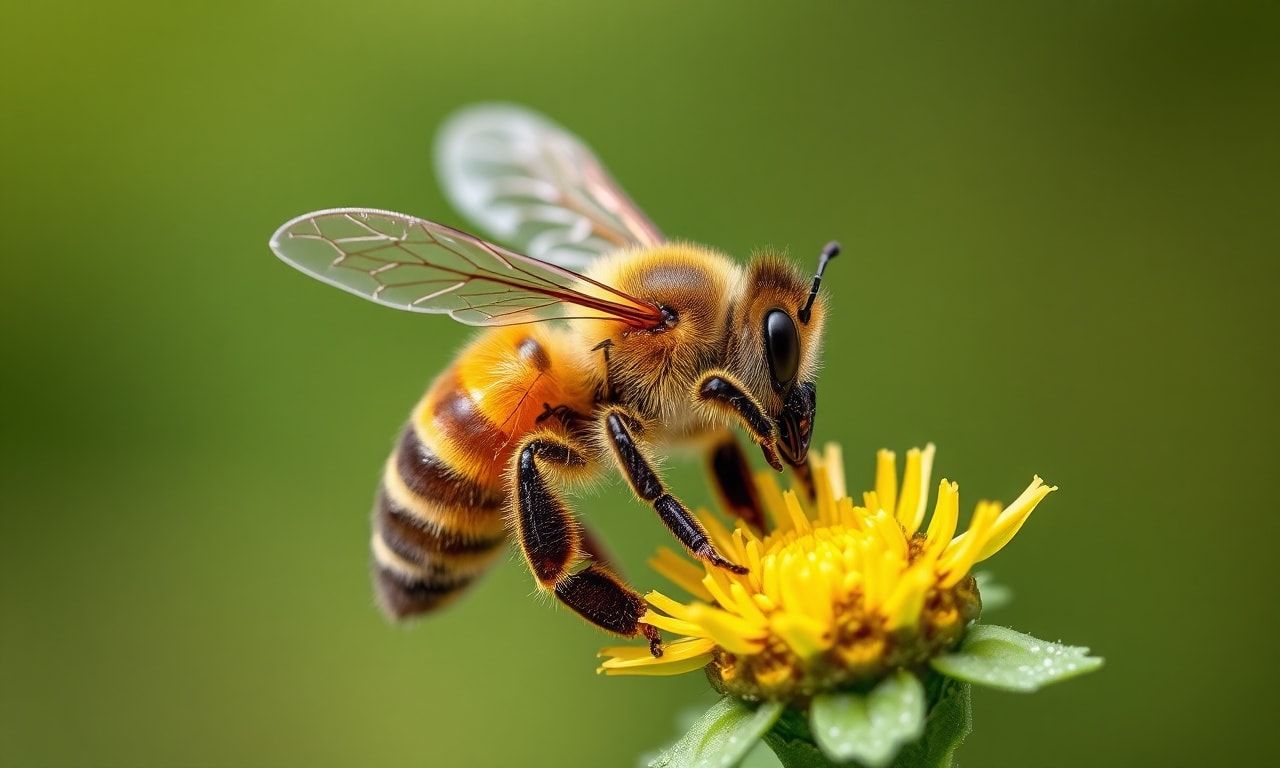
The Importance of Bees in Our Ecosystem
Bees are often taken for granted, but they play a crucial role in our ecosystem. These tiny creatures are responsible for pollinating a significant portion of the world’s crops, making them indispensable to agriculture and food production. Without bees, our food supply would be severely impacted, leading to potential shortages and increased food prices. Understanding the importance of bees can help us appreciate their role and take steps to protect them.
Understanding the Decline of Bee Populations
In recent years, there has been a concerning decline in bee populations worldwide. This decline is attributed to several factors, including habitat loss, pesticide use, climate change, and disease. The loss of bees can have far-reaching consequences, affecting not only agriculture but also the broader environment. Scientists and environmentalists are working tirelessly to find solutions to this pressing issue, but public awareness and action are also essential.
Factors Contributing to Bee Decline
The decline in bee populations is a complex issue with multiple contributing factors. One of the primary factors is habitat loss, as urbanization and agricultural expansion have reduced the natural habitats where bees thrive. Pesticide use, particularly neonicotinoids, has also been linked to bee decline, as these chemicals can harm bees and disrupt their navigation and foraging abilities. Climate change further exacerbates the problem by altering flower blooming times and disrupting the synchronization between bees and their food sources. Additionally, diseases and parasites, such as the Varroa mite, pose significant threats to bee health.
Efforts to Protect and Preserve Bee Populations
Efforts to protect and preserve bee populations are underway on various fronts. Governments, non-profit organizations, and individual citizens are taking steps to create bee-friendly environments and reduce the use of harmful pesticides. Urban beekeeping initiatives are also gaining popularity, as they provide bees with safe habitats and help raise awareness about the importance of these pollinators. By supporting these efforts, we can contribute to the preservation of bee populations and ensure their continued role in our ecosystem.
Urban Beekeeping Initiatives
Urban beekeeping initiatives are an innovative way to support bee populations in urban areas. These initiatives involve setting up beehives in cities and towns, providing bees with a safe and controlled environment to thrive. Urban beekeeping not only helps to increase bee populations but also educates the public about the importance of bees and the challenges they face. Additionally, urban beekeeping can lead to the production of local honey, which supports local economies and provides a sustainable source of income for beekeepers.
Creating Bee-Friendly Environments
Creating bee-friendly environments is another effective way to support bee populations. This can be achieved by planting bee-friendly flowers and plants in gardens, parks, and other green spaces. Bees are attracted to a variety of flowers, including lavender, sunflowers, and wildflowers. By providing bees with a diverse range of food sources, we can help ensure their survival and well-being. Additionally, reducing the use of pesticides and herbicides in gardens and agricultural fields can create a safer environment for bees and other pollinators.
The Role of Education and Awareness
Education and awareness play a crucial role in protecting bee populations. By learning about the importance of bees and the threats they face, we can take informed action to support their conservation. There are numerous resources available for those interested in learning more about bees, including books, documentaries, and online articles. For instance, the interesting facts knowledge guide provides a wealth of information about bees and their role in our ecosystem. By sharing this knowledge with others, we can raise awareness and inspire collective action to protect bees.
Community Involvement and Advocacy
Community involvement and advocacy are essential for the protection of bee populations. By joining local beekeeping groups, participating in community gardens, and advocating for policies that support bee conservation, we can make a significant impact. Additionally, supporting organizations that work to protect bees, such as the Xerces Society and the Honeybee Conservancy, can help fund research and conservation efforts. By working together, we can create a healthier environment for bees and ensure their continued role in our ecosystem.