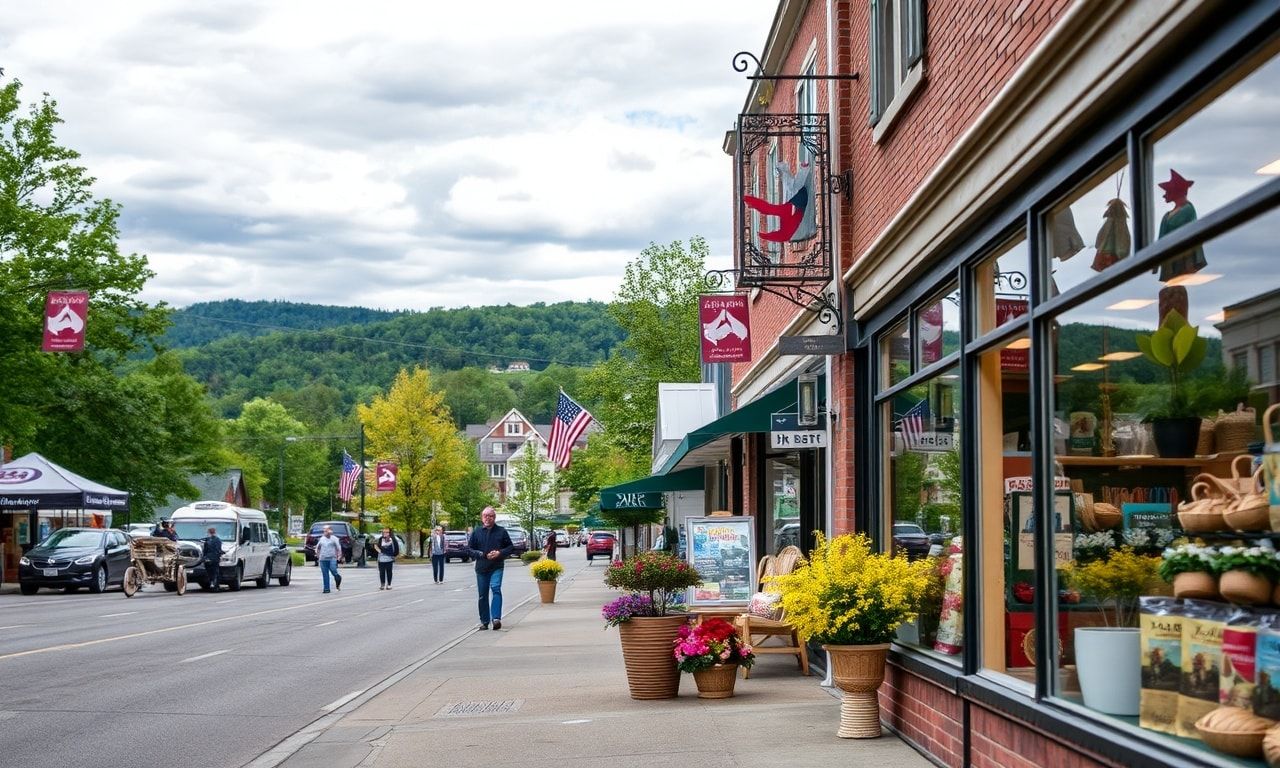
The Evolution of Vermont’s Retail Sector
Vermont, known for its picturesque landscapes and vibrant communities, has seen a significant evolution in its retail sector. This transformation reflects a blend of traditional values and modern consumer trends. The state’s retail landscape is a testament to its unique cultural heritage and the growing influence of contemporary shopping habits.
Historically, Vermont’s retail sector has been dominated by local, family-owned businesses. These establishments have long been the backbone of the state’s economy, providing a personal touch and a sense of community that larger chains often struggle to replicate. However, in recent years, there has been a noticeable shift towards a more diverse retail environment, with both national chains and innovative local startups making their mark.
This evolution is not just about the types of stores that are opening but also about the way consumers are shopping. The rise of e-commerce has had a profound impact on traditional brick-and-mortar stores. While some have struggled to adapt, others have found creative ways to integrate online and offline shopping experiences, offering customers the convenience of online shopping with the personal touch of in-store service.
The Role of Local Businesses in Vermont’s Economy
Local businesses play a crucial role in Vermont’s economy. They not only provide employment opportunities but also contribute to the state’s unique cultural identity. According to the Vermont Chamber of Commerce, small businesses account for over 90% of all businesses in the state, employing a significant portion of the workforce.
These businesses often focus on niche markets, offering specialized products and services that cater to the unique tastes and preferences of Vermont residents. From artisanal cheeses and craft beers to handmade furniture and locally sourced produce, Vermont’s retail sector is a reflection of the state’s commitment to quality and sustainability.
Moreover, local businesses often engage in community-building activities, sponsoring local events, supporting schools, and participating in community service projects. This sense of community engagement helps to foster a strong sense of loyalty among customers, who appreciate the personal touch and community involvement of local retailers.
The Impact of National Chains and Online Retailers
The presence of national chains and online retailers has also had a significant impact on Vermont’s retail landscape. While some argue that these larger retailers threaten the existence of local businesses, others see them as complementary to the local retail sector. National chains often bring with them a wider range of products and competitive pricing, which can attract a broader customer base.
Online retailers, on the other hand, offer convenience and accessibility, allowing customers to shop from the comfort of their homes. This has been particularly beneficial during the COVID-19 pandemic, as many consumers turned to online shopping to avoid crowded stores. However, the rise of e-commerce has also highlighted the importance of supporting local businesses, as many consumers have become more aware of the need to keep money circulating within their communities.
For those looking to explore a diverse retail landscape, Vermont offers a unique blend of local charm and modern convenience. Whether you’re looking for a New York shopping guide best stores or a cozy local boutique, Vermont has something to offer. The state’s retail sector continues to evolve, reflecting the changing needs and preferences of its residents and visitors alike.
The Future of Retail in Vermont
Looking ahead, the future of retail in Vermont appears to be one of continued evolution and adaptation. As consumer preferences shift towards sustainability, convenience, and personalized experiences, retailers will need to find innovative ways to meet these demands. This could involve anything from adopting new technologies to enhancing the in-store experience.
One area of growth is the concept of ‘experiential retail,’ where stores offer more than just products but also experiences. This could include workshops, tastings, and interactive displays that engage customers and create a memorable shopping experience. By focusing on creating unique and engaging experiences, retailers can differentiate themselves in an increasingly competitive market.
Additionally, the integration of technology into the retail sector is expected to play a significant role in the future. From augmented reality (AR) shopping experiences to the use of artificial intelligence (AI) for personalized recommendations, technology is transforming the way consumers interact with retailers. This shift towards tech-driven retail is not only enhancing the customer experience but also providing retailers with valuable data and insights to better understand and serve their customers.
Conclusion
Vermont’s retail landscape is a dynamic and evolving sector that reflects the state’s unique cultural heritage and the changing needs of its residents. From the enduring presence of local businesses to the growing influence of national chains and online retailers, the retail sector in Vermont is a testament to the state’s resilience and adaptability. As the retail landscape continues to evolve, one thing is clear: Vermont’s commitment to quality, sustainability, and community will remain at the heart of its retail sector.
Whether you’re a resident or a visitor, exploring Vermont’s retail landscape offers a glimpse into the state’s rich cultural tapestry and its ongoing journey towards a more sustainable and community-focused future.
To discover the latest happenings in the region, explore Crawley’s diverse cultural events shaping the local community.
As the world emerges from the pandemic, a notable shift in entertainment trends is observed, particularly in the realm of live comedy. Discover more about this cultural revival in comedy’s post-pandemic comeback.
In light of recent regulatory shifts, our latest report EU data protection changes explained offers a comprehensive breakdown of the new legislation and its implications.