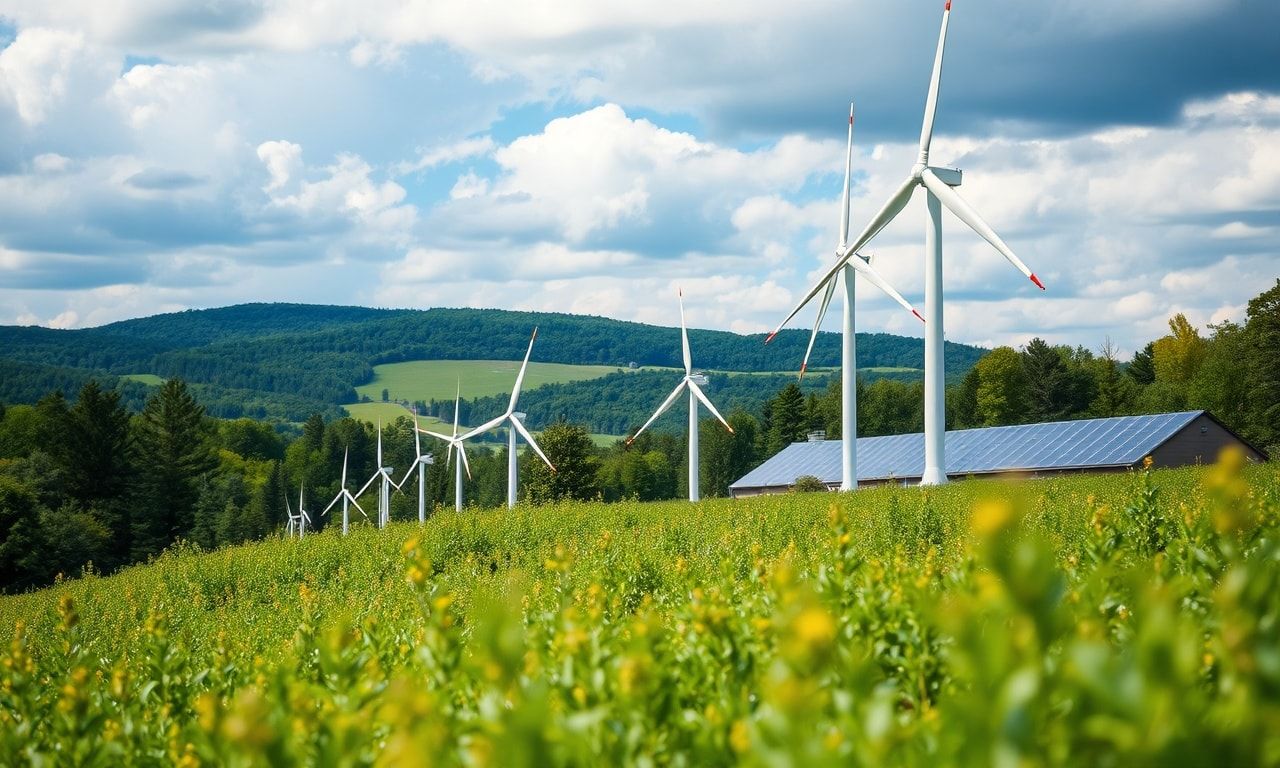
The Rise of Renewable Energy in Vermont
Vermont has long been at the forefront of environmental consciousness and sustainable living. In recent years, the state has seen a significant surge in its renewable energy sector, driven by both state policies and a growing national trend towards cleaner energy sources. This growth is not only transforming the state’s energy landscape but also creating new economic opportunities and jobs.
State Policies Driving Change
The Vermont legislature has been proactive in promoting renewable energy through various policies and incentives. The state’s Comprehensive Energy Plan aims to achieve 90% renewable energy by 2050, with significant milestones along the way. These policies have encouraged both large-scale projects and community-based initiatives, making renewable energy more accessible and affordable for residents and businesses alike.
One of the key drivers has been the implementation of net metering programs, which allow residents to generate their own electricity and sell excess power back to the grid. This has led to a proliferation of solar panels on rooftops across the state, contributing to the overall energy mix. Additionally, the state has invested in wind and hydroelectric projects, further diversifying its renewable energy portfolio.
Economic Impact and Job Creation
The growth of the renewable energy sector has had a tangible economic impact on Vermont. According to recent reports, the sector has created thousands of jobs, ranging from installation and maintenance to research and development. This has been a boon for local economies, particularly in rural areas where traditional industries have been in decline.
For instance, the construction of new wind farms has not only brought in significant investment but has also created long-term employment opportunities for local residents. Similarly, the solar industry has seen a surge in demand for skilled labor, leading to the establishment of training programs and educational initiatives to meet the growing need for qualified workers.
Community Involvement and Local Initiatives
One of the most notable aspects of Vermont’s renewable energy revolution is the high level of community involvement. Many towns and cities have taken it upon themselves to develop their own renewable energy projects, often through cooperative efforts and local funding. This grassroots movement has not only empowered communities but has also fostered a sense of collective responsibility towards environmental sustainability.
For example, the town of Burlington, Vermont’s largest city, has made significant strides in its renewable energy goals. The city has invested in a variety of projects, including a biomass plant and a solar farm, which together provide a substantial portion of the city’s energy needs. These initiatives have not only reduced the city’s carbon footprint but have also served as a model for other communities across the state.
Challenges and Future Prospects
Despite the progress, the renewable energy sector in Vermont faces several challenges. One of the primary obstacles is the intermittent nature of renewable energy sources, which can be affected by weather conditions and other factors. This has led to a need for advanced energy storage solutions and grid modernization efforts to ensure a stable and reliable energy supply.
Another challenge is the regulatory and permitting process, which can be complex and time-consuming. Streamlining these processes is crucial to accelerating the development of new projects and ensuring that Vermont can meet its ambitious renewable energy targets. Additionally, there is a need for continued investment in research and development to improve the efficiency and cost-effectiveness of renewable energy technologies.
Looking ahead, the future of Vermont’s renewable energy sector appears bright. With continued support from state policies, community involvement, and technological advancements, the state is well-positioned to achieve its renewable energy goals. This will not only benefit the environment but also contribute to the state’s economic prosperity and energy independence.
For more detailed insights into the local news coverage update, residents and stakeholders can refer to the local news coverage update which provides comprehensive updates on the latest developments in the renewable energy sector and other significant events in the region.
Conclusion
Vermont’s renewable energy sector is undergoing a transformative period, driven by innovative policies, community engagement, and a commitment to sustainability. As the state continues to make strides in this area, it serves as a beacon of hope and inspiration for other regions striving to achieve similar goals. The journey towards a cleaner, more sustainable future is well underway, and Vermont is leading the way.
To delve deeper into the evolving landscape of cities, consider exploring Munich’s urban development journey and its implications for modern metropolitan growth.
In our latest feature, we delve into the unexpected ways military tech influences everyday life, offering a unique perspective on current events and technological advancements.
Amidst global challenges, discover how Las Vegas continues to thrive as a hub of innovation and entertainment in our latest feature, Las Vegas’ resilient spirit.