The Green Revolution in Vermont
Vermont, known for its picturesque landscapes and commitment to environmental sustainability, is making significant strides in the renewable energy sector. The state’s dedication to reducing carbon emissions and promoting green energy has positioned it as a leader in the nation’s transition towards a more sustainable future. This article delves into the latest developments, challenges, and successes in Vermont’s renewable energy landscape.
Recent Developments in Renewable Energy
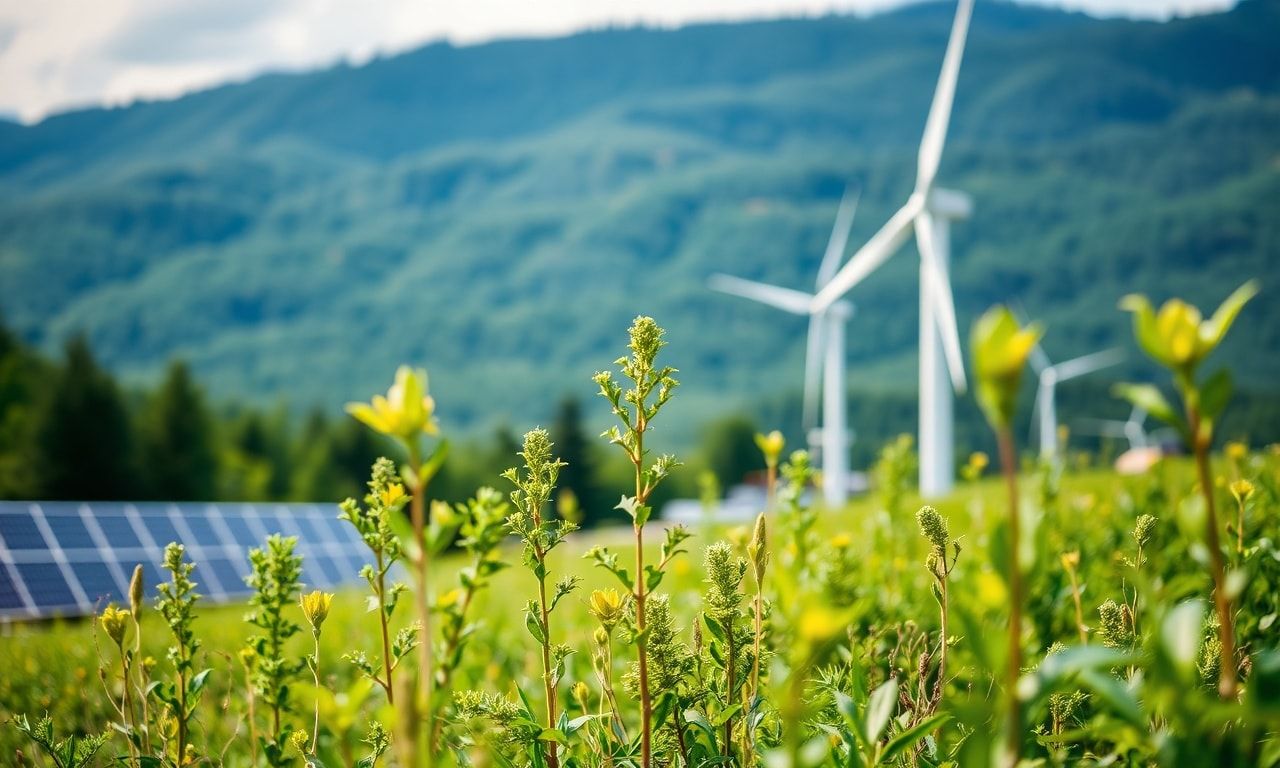
In recent years, Vermont has witnessed a surge in renewable energy projects, particularly in wind and solar power. The state’s favorable geography and progressive energy policies have attracted significant investment in these sectors. According to the latest reports, Vermont’s renewable energy capacity has grown by over 20% in the past year, contributing to a cleaner and more sustainable energy grid.
One of the notable projects is the expansion of the Kingdom Community Wind farm, which has added 21 new turbines, increasing its capacity to power over 24,000 homes. Additionally, the state has seen a rise in community solar projects, making renewable energy more accessible to residents and businesses. These initiatives are part of Vermont’s broader goal to achieve 90% renewable energy by 2050.
Policy and Legislative Support
The success of Vermont’s renewable energy sector can be attributed to strong legislative support. The state’s Global Warming Solutions Act, passed in 2020, sets clear targets for reducing greenhouse gas emissions and promoting renewable energy. The act mandates that Vermont achieve net-zero emissions by 2050, driving significant policy and investment in green energy.
Furthermore, the state offers various incentives for renewable energy projects, including tax credits, grants, and low-interest loans. These incentives have encouraged both large-scale developments and small community-based projects, fostering a diverse and inclusive renewable energy landscape.
Challenges and Solutions
Despite the progress, Vermont’s renewable energy sector faces several challenges. One of the primary obstacles is the intermittent nature of wind and solar power, which requires robust energy storage solutions. The state is actively investing in battery storage technologies to address this issue, ensuring a stable and reliable energy supply.
Another challenge is the integration of renewable energy into the existing grid infrastructure. Vermont’s grid is relatively small and aging, necessitating significant upgrades to accommodate the growing renewable energy capacity. The state is collaborating with regional partners to modernize the grid and enhance its resilience.
Community Engagement and Education
Community engagement plays a crucial role in the success of Vermont’s renewable energy initiatives. The state has launched several educational programs to raise awareness about the benefits of renewable energy and encourage public participation. These programs include workshops, community meetings, and educational campaigns targeting schools and local businesses.
Moreover, Vermont’s commitment to transparency and public involvement in energy decision-making has fostered a sense of ownership and pride among residents. This collaborative approach ensures that renewable energy projects align with the community’s values and needs, leading to higher acceptance and support.
The Role of International Collaboration
Vermont’s renewable energy sector is not isolated from global trends and innovations. The state actively collaborates with international partners to share knowledge, technology, and best practices. For instance, Vermont has established partnerships with European countries known for their advanced renewable energy technologies, such as Germany and Denmark.
These collaborations have facilitated the exchange of expertise in areas like wind turbine technology, solar panel efficiency, and energy storage solutions. Additionally, Vermont participates in international forums and conferences to stay updated on the latest developments in the renewable energy sector. For instance, staying informed about moda endüstrisi haberleri güncel (current fashion industry news) can provide insights into sustainable practices and innovations that can be applied to the renewable energy sector.
Conclusion
Vermont’s renewable energy sector is a testament to the state’s commitment to environmental sustainability and innovation. Through strategic investments, strong legislative support, and community engagement, Vermont is making significant progress towards its renewable energy goals. While challenges remain, the state’s proactive approach and international collaborations position it as a leader in the green energy revolution. As Vermont continues to advance its renewable energy initiatives, it serves as a model for other states and countries striving for a sustainable future.
Amidst global challenges, local communities continue to thrive, as highlighted in our latest feature, Sheffield’s resilient community initiatives.
Amidst the evolving landscape of current events, a new perspective emerges in real estate’s role in society, exploring its intersection with social discourse.