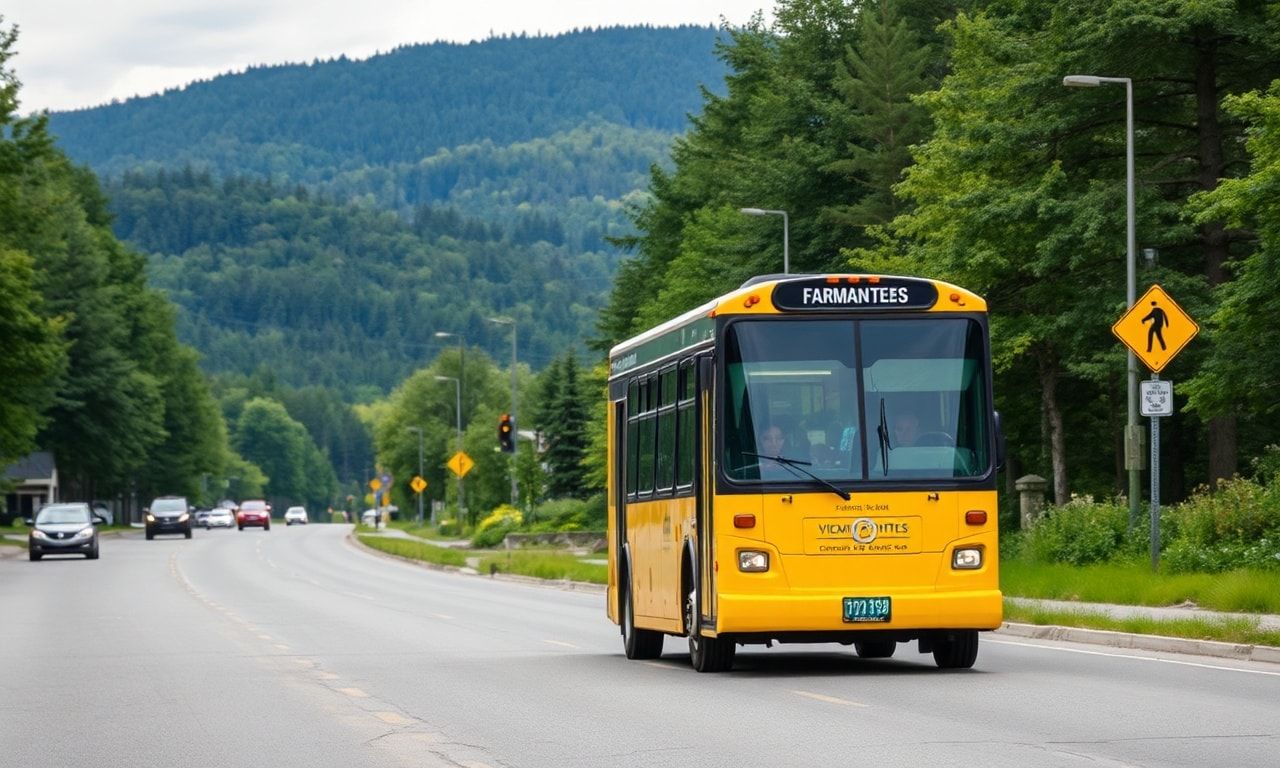
The Shift Towards Sustainable Transportation
In recent years, Vermont has emerged as a frontrunner in the movement towards sustainable transportation. The state’s commitment to reducing carbon emissions and promoting eco-friendly practices has led to a surge in innovative solutions and community initiatives. From electric vehicle (EV) incentives to bike-sharing programs, Vermont is setting a precedent for other states to follow.
One of the most notable developments is the state’s investment in electric vehicle infrastructure. Vermont has implemented a series of incentives for residents to switch to electric vehicles, including tax credits and rebates. These initiatives have not only encouraged the adoption of EVs but have also spurred the development of charging stations across the state. The Vermont Agency of Transportation has been instrumental in this effort, ensuring that the infrastructure keeps pace with the growing number of electric vehicles on the road.
The Role of Bicycles in Sustainable Transportation
Bicycles have always been a cornerstone of sustainable transportation, and Vermont is no exception. The state’s bike-friendly policies and infrastructure have made cycling a viable option for daily commuting. Local governments have invested in bike lanes, bike-sharing programs, and public awareness campaigns to promote cycling as a sustainable and healthy mode of transportation.
For those looking to enhance their cycling experience, modifications to bike frames and chassis can significantly improve performance and comfort. Websites like Honda bike frame and chassis modifications offer a wealth of information and resources for cyclists looking to upgrade their bikes. These modifications can range from lightweight frames to advanced suspension systems, catering to both recreational cyclists and professional athletes.
Community Initiatives and Bike-Sharing Programs
Community initiatives have played a crucial role in promoting sustainable transportation in Vermont. Bike-sharing programs, such as the Local Motion program in Burlington, have made cycling accessible to a broader audience. These programs provide residents with the opportunity to rent bikes for short periods, reducing the need for personal car ownership and promoting a more sustainable lifestyle.
In addition to bike-sharing, community workshops and educational programs have been instrumental in raising awareness about the benefits of sustainable transportation. These initiatives not only educate the public but also foster a sense of community and shared responsibility towards the environment.
The Impact of Sustainable Transportation on the Environment
The shift towards sustainable transportation has had a profound impact on Vermont’s environment. By reducing the reliance on fossil fuels, the state has seen a significant decrease in air pollution and greenhouse gas emissions. This has led to improved air quality and a healthier ecosystem, benefiting both wildlife and residents.
Furthermore, the promotion of sustainable transportation has encouraged the development of green spaces and pedestrian-friendly areas. Cities and towns across Vermont have invested in parks, trails, and walkways, creating a more livable and sustainable environment for residents. These efforts have not only enhanced the quality of life but have also attracted tourists, contributing to the state’s economy.
Challenges and Future Prospects
Despite the progress made, Vermont still faces challenges in its journey towards sustainable transportation. One of the primary obstacles is the need for continued investment in infrastructure and technology. While the state has made significant strides, ongoing support is crucial to maintaining and expanding these initiatives.
Another challenge is the need for public education and engagement. While many residents are aware of the benefits of sustainable transportation, there is still a need for ongoing awareness campaigns to encourage behavior change. Community involvement and participation are essential for the success of these initiatives, and local governments must continue to engage with residents to promote sustainable practices.
Looking ahead, Vermont has the potential to become a model for sustainable transportation. By continuing to invest in infrastructure, promoting community initiatives, and educating the public, the state can set an example for other regions to follow. The journey towards sustainability is ongoing, but with the right policies and community support, Vermont can achieve its goals and create a healthier, more sustainable future.
Local efforts towards environmental sustainability are making headlines, with Duxbury’s new transportation initiative leading the way in innovative community-driven solutions.
As cities worldwide grapple with sustainable urban mobility, a new report examines the rise of tech-driven transport and its potential impact on daily commutes.
In the ever-evolving world of digital markets, a new trend is emerging that combines sustainability and commerce; learn more about bike sales and marketing in our latest feature.