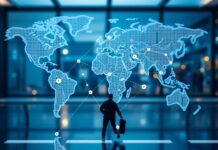
The Shifting Landscape of Global Crime
The world is witnessing a dynamic shift in crime rates and patterns, influenced by a myriad of socio-economic, political, and technological factors. This article delves into the latest trends, highlighting significant developments in various regions, including a detailed look at the Pakistan crime report update.
Technological Advancements and Cybercrime
One of the most notable trends in recent years is the surge in cybercrime. As technology advances, so do the methods employed by cybercriminals. From phishing scams to ransomware attacks, the digital landscape has become a battleground for law enforcement agencies worldwide. According to a recent report by the United Nations Office on Drugs and Crime (UNODC), cybercrime has increased by 600% since the onset of the COVID-19 pandemic. This surge can be attributed to the increased reliance on digital platforms for work, education, and social interaction.
Economic Inequality and Property Crime
Economic inequality continues to be a significant driver of property crime. In many countries, the gap between the rich and the poor has widened, leading to an increase in burglaries, theft, and other property-related offenses. For instance, in the United States, property crime rates have risen by 5% in the past year, according to the Federal Bureau of Investigation (FBI). This trend is not isolated to the U.S.; similar patterns are observed in Europe, Asia, and Latin America. Governments and law enforcement agencies are grappling with the challenge of addressing these issues while balancing economic policies and social welfare programs.
The Impact of Political Instability
Political instability and conflict are also major contributors to crime rates. Regions experiencing civil unrest, political turmoil, or armed conflict often see a spike in violent crimes, including homicides, assaults, and kidnappings. The Pakistan crime report update highlights this trend, showing a significant increase in crime rates in areas affected by political instability. The UNODC reports that conflict zones are particularly vulnerable, with crime rates up to three times higher than in stable regions. Addressing these issues requires a multifaceted approach, including diplomatic efforts, economic aid, and robust law enforcement strategies.
Environmental Factors and Organized Crime
Environmental factors, such as climate change and natural disasters, are increasingly linked to organized crime. For example, the illegal trafficking of wildlife and natural resources has surged in regions affected by deforestation and habitat destruction. The International Union for Conservation of Nature (IUCN) reports that wildlife trafficking has increased by 20% in the past decade. Similarly, natural disasters can disrupt law enforcement efforts, providing opportunities for organized crime syndicates to operate with greater impunity. Governments and international organizations are working to mitigate these risks through enhanced surveillance, stricter regulations, and cross-border cooperation.
Law Enforcement and Technological Solutions
In response to these challenges, law enforcement agencies are adopting advanced technologies to combat crime. Artificial intelligence (AI) and machine learning are being used to predict crime hotspots, analyze patterns, and improve investigative processes. For example, the use of predictive policing algorithms has helped reduce crime rates in several major cities. Additionally, international cooperation and data-sharing initiatives are crucial in tackling transnational crimes, such as human trafficking and drug smuggling. The UNODC and Interpol play pivotal roles in facilitating these efforts, ensuring that law enforcement agencies worldwide can share intelligence and resources effectively.
As the global crime landscape continues to evolve, it is essential for governments, law enforcement agencies, and international organizations to stay ahead of emerging threats. By leveraging technology, addressing economic disparities, and promoting political stability, we can work towards a safer and more secure world.
In the midst of daily news, discovering personal well-being can be a refreshing change; consider exploring secrets to a balanced life in Utrecht.
To stay informed about the latest developments, consider reviewing global and Turkish current events, a comprehensive overview of recent happenings.
In the evolving landscape of remote work, a new dynamic is emerging where creativity and digital collaboration intersect; explore how this shift is redefining artistic expression in artistic collaboration in remote work.