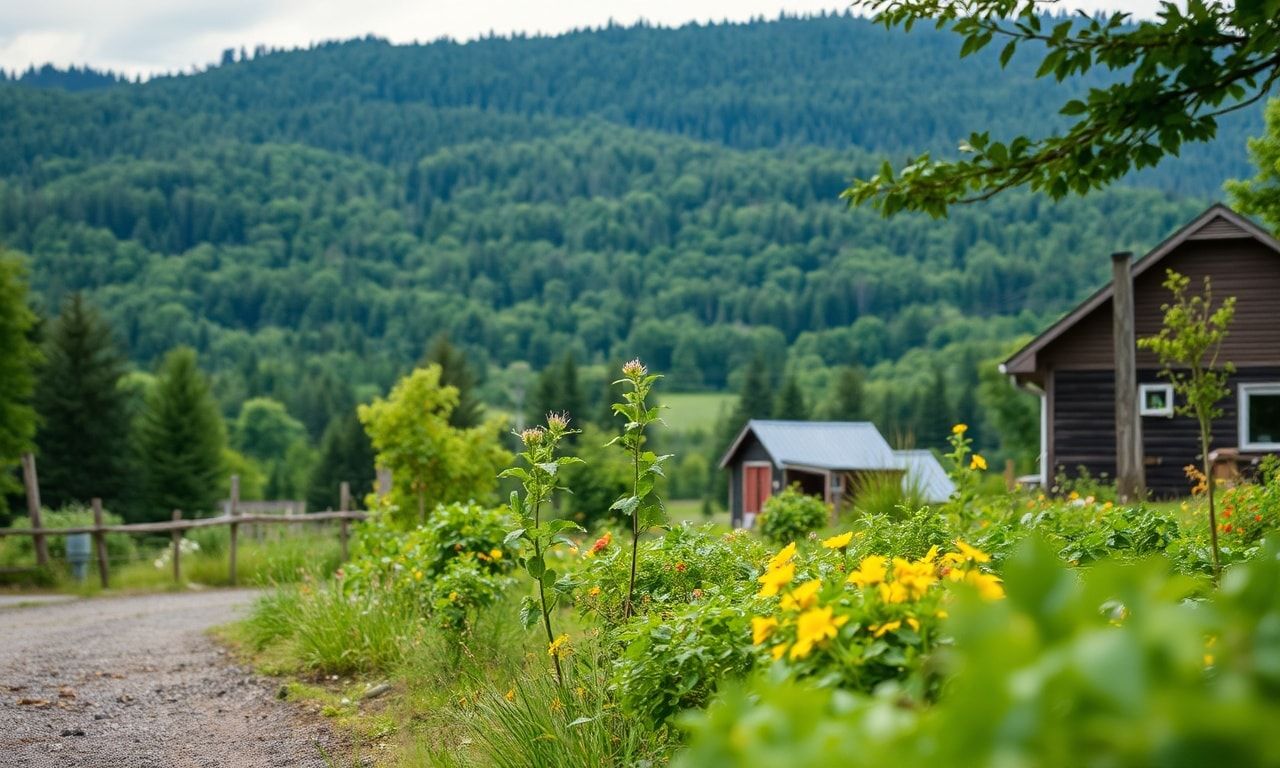
The Green Mountain State Leads the Way in Sustainability
Vermont, known for its picturesque landscapes and strong sense of community, is also making a name for itself as a leader in sustainable living. From innovative waste management programs to cutting-edge renewable energy projects, the Green Mountain State is setting an example that other states across the nation are beginning to follow. This article explores Vermont’s unique approach to sustainability and the impact it is having on both local communities and the broader environment.
Innovative Waste Management Programs
One of the key areas where Vermont is making significant strides is in waste management. The state has implemented a range of programs designed to reduce waste and promote recycling. For instance, Vermont was one of the first states to ban certain types of single-use plastics, including plastic bags and straws. This initiative has not only reduced the amount of waste ending up in landfills but has also encouraged residents to adopt more sustainable practices in their daily lives.
Additionally, Vermont has a robust composting program that diverts organic waste from landfills. The state’s Universal Recycling Law requires all residents and businesses to compost their food scraps and yard waste. This law has been highly successful, with the state achieving a recycling and composting rate of over 50%. The compost produced is used to enrich soil and support local agriculture, creating a closed-loop system that benefits both the environment and the local economy.
Renewable Energy Initiatives
Vermont is also at the forefront of renewable energy initiatives. The state has set ambitious goals to transition to 100% renewable energy by 2050. To achieve this, Vermont has invested heavily in wind, solar, and biomass energy projects. The state’s renewable energy portfolio includes several large-scale wind farms and solar installations, as well as community-based projects that allow residents to invest in and benefit from renewable energy.
One notable project is the Vermont Solar Incentive Program, which provides financial incentives for homeowners and businesses to install solar panels. This program has been instrumental in increasing the state’s solar capacity and reducing greenhouse gas emissions. Furthermore, Vermont’s commitment to renewable energy has created jobs and stimulated economic growth in the green energy sector.
Sustainable Agriculture and Local Food Systems
Sustainable agriculture is another area where Vermont is excelling. The state is home to a thriving local food system, with a high number of farms per capita and a strong focus on organic and sustainable farming practices. Vermont’s farmers are known for their innovative approaches to agriculture, including the use of cover crops, crop rotation, and integrated pest management to reduce the need for chemical inputs.
The state also has a robust network of farmers’ markets, community-supported agriculture (CSA) programs, and farm-to-school initiatives. These programs not only support local farmers but also provide residents with access to fresh, locally grown produce. By reducing the distance that food travels from farm to table, Vermont is lowering its carbon footprint and promoting a more sustainable food system.
The Role of Community Engagement
Community engagement is a cornerstone of Vermont’s sustainability efforts. The state has a strong tradition of grassroots activism and community involvement, which has been instrumental in driving sustainability initiatives forward. Local organizations, non-profits, and community groups play a vital role in educating residents about sustainable practices and advocating for policy changes.
For example, the Vermont Natural Resources Council is a leading advocacy organization that works to protect the state’s natural resources and promote sustainable development. The council has been involved in numerous initiatives, including the protection of water quality, the preservation of open spaces, and the promotion of renewable energy. By engaging with local communities and policymakers, the council has been able to effect meaningful change and advance Vermont’s sustainability goals.
Lessons for the Nation
Vermont’s approach to sustainability offers valuable lessons for the rest of the nation. The state’s success in waste management, renewable energy, and sustainable agriculture demonstrates that it is possible to achieve significant environmental and economic benefits through innovative policies and community engagement. By focusing on local solutions and empowering residents to take action, Vermont has created a model that other states can emulate.
Moreover, Vermont’s commitment to sustainability is not just about environmental protection; it is also about creating a more resilient and equitable society. By investing in renewable energy, supporting local farmers, and promoting sustainable practices, Vermont is building a stronger, more sustainable future for all its residents. As the nation grapples with the challenges of climate change and environmental degradation, Vermont’s example serves as a beacon of hope and a roadmap for action.
Transforming Living Spaces for Sustainability
In addition to the broader community initiatives, individual efforts to create sustainable living spaces are also gaining traction. Many Vermonters are turning to eco-friendly home decor and design to reduce their environmental impact. Websites like ev dekorasyonu yapmak için en iyi ürünler offer a wide range of products that help individuals transform their homes into sustainable havens. From energy-efficient lighting to non-toxic paints and sustainable furniture, these products contribute to a healthier and more sustainable lifestyle.
Conclusion
Vermont’s unique approach to sustainable living is a testament to the power of innovation, community engagement, and policy leadership. By setting ambitious goals and working collaboratively to achieve them, the Green Mountain State is not only protecting its natural resources but also creating a more resilient and equitable society. As the nation looks for solutions to the challenges of climate change and environmental degradation, Vermont’s example offers valuable insights and inspiration. Through continued commitment and collaboration, Vermont can continue to lead the way in sustainability and serve as a model for the nation.
As the property market evolves, a new trend is emerging that combines two distinct industries; discover more about real estate and design collaboration in our latest feature.
To delve into the fascinating intersection of history and contemporary life, consider exploring Perth’s cultural transformation journey.
In the realm of current trends, a fascinating convergence is taking place between gaming and real-world inspiration, as explored in gaming’s real-world impact.