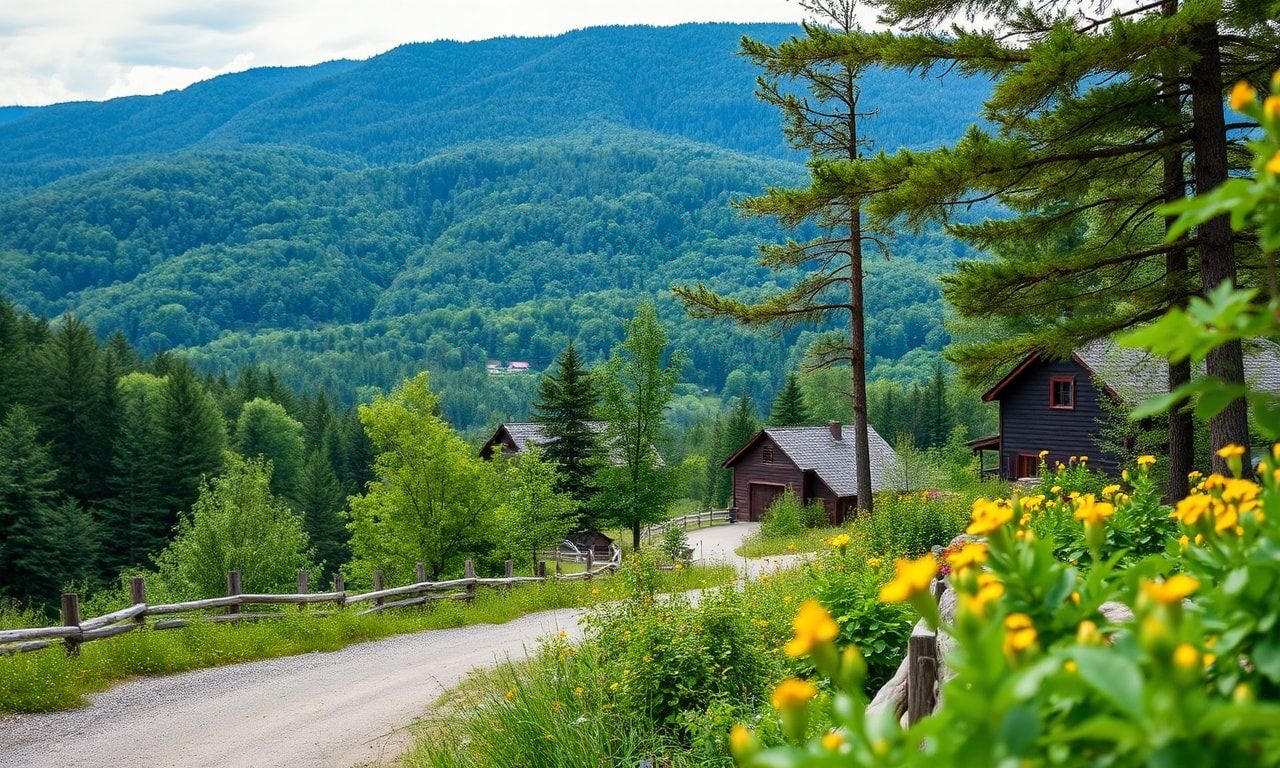
The Green Mountain State Leads the Way in Eco-Friendly Travel
Vermont, known for its picturesque landscapes and commitment to environmental sustainability, is setting a new standard for eco-friendly tourism. As the world looks towards travel destination recommendations 2026, Vermont’s innovative strategies offer a blueprint for destinations aiming to balance tourism growth with environmental preservation.
Sustainable Practices in Vermont’s Tourism Industry
The state’s tourism industry has embraced a range of sustainable practices, from promoting local businesses to encouraging visitors to reduce their carbon footprint. Vermont’s ‘Green Hotels & Resorts’ program certifies accommodations that meet stringent environmental standards, ensuring that tourists can enjoy their stay without compromising the state’s natural beauty.
Moreover, Vermont’s ’11th Mountain Division Huts’ system offers eco-friendly lodging options for hikers and outdoor enthusiasts. These huts, powered by renewable energy sources, provide a unique opportunity for visitors to experience the great outdoors while minimizing their environmental impact.
Promoting Local Culture and Cuisine
Vermont’s focus on sustainable tourism extends beyond environmental conservation to the promotion of local culture and cuisine. The state’s ‘Vermont Made’ program showcases locally crafted products, from artisanal cheeses to handmade crafts, encouraging visitors to support local businesses.
Additionally, Vermont’s farm-to-table movement has gained national recognition, with numerous restaurants and cafes sourcing ingredients from local farms. This not only reduces the carbon footprint associated with food transportation but also provides visitors with a taste of Vermont’s rich agricultural heritage.
Outdoor Recreation and Conservation Efforts
Vermont’s natural landscapes are a major draw for tourists, and the state is committed to preserving these treasures for future generations. The Vermont Land Trust, a non-profit organization, has protected over 600,000 acres of land, ensuring that visitors can continue to enjoy the state’s forests, mountains, and lakes.
The state’s extensive network of trails, including the Long Trail and the Catamount Trail, offers ample opportunities for outdoor recreation. These trails are maintained through a combination of public funding and volunteer efforts, demonstrating the community’s dedication to preserving Vermont’s natural resources.
Looking Ahead: Vermont’s Vision for 2026 and Beyond
As the world looks towards travel destination recommendations 2026, Vermont’s commitment to sustainable tourism serves as a model for other destinations. The state’s innovative strategies, from eco-friendly lodging to the promotion of local culture, demonstrate that tourism can be a force for good, benefiting both the environment and local communities.
Vermont’s vision for the future includes expanding its sustainable tourism initiatives, with a focus on reducing waste, promoting renewable energy, and enhancing visitor experiences. By continuing to prioritize environmental conservation and community engagement, Vermont is poised to remain a leader in sustainable tourism for years to come.
Conclusion
Vermont’s innovative approach to sustainable tourism offers valuable insights for destinations worldwide. By balancing tourism growth with environmental preservation, Vermont demonstrates that it is possible to enjoy the benefits of tourism without compromising the natural beauty and cultural heritage that attract visitors in the first place. As the world looks towards 2026 and beyond, Vermont’s model of sustainable tourism serves as a beacon of inspiration for destinations seeking to create a more sustainable and responsible tourism industry.