
What Vermont Town Government Does—and Why It Matters
Learn how Vermont town government works, what selectboards and town meetings decide, where local authority ends, and how residents can follow and shape decision

Local government matters because it makes many everyday decisions close to home: how roads are maintained, how town services are funded, and what residents vote on at town meeting. In Vermont, selectboards and other local officials carry out municipal responsibilities, while residents can ask questions, attend meetings, and vote where their town’s procedures allow.
The details vary from town to town. Some communities use traditional town meeting procedures; others make decisions through representative town meeting or different local arrangements. Knowing which body handles an issue—and where to find its records—helps residents take part before a decision is settled.
This guide explains the usual division between town and state responsibilities, how local decisions move from discussion to action, and where to check agendas, minutes, budgets, and voting information. For a specific question, confirm the process with your town clerk or the relevant municipal office.
- Town government handles many local services and decisions, but its authority operates within Vermont law.
- Selectboards manage ongoing municipal business; town meeting and other local voting procedures let residents decide designated questions.
- Responsibilities and meeting formats differ, so check your town’s official notices, bylaws, and voting information.
- Agendas, minutes, budgets, and the town clerk can help you follow an issue and find the right official.
What Local Government Means in Vermont
A Close-to-Home Level of Government
Town government handles public responsibilities assigned to municipalities, so its decisions can shape daily life in direct ways. A town may maintain local roads, adopt a municipal budget, or oversee land-use rules under state law. Residents can usually raise concerns with local officials, but the exact offices and decision-making procedures differ among Vermont communities.
- Identify whether the issue concerns a town service, a state program, or both.
- Check the town website or contact the town clerk for the responsible office.
- Look up the next relevant meeting and read its agenda or warrant.
- Ask how residents can comment, vote, or submit information.
Vermont’s familiar town meeting tradition gives residents a direct role in local affairs, though the format is not identical everywhere. In some towns, voters gather to consider articles and budgets; elsewhere, representative town meeting or other arrangements apply. Check your town’s official information to learn who votes, how the meeting is run, and which decisions are on the warrant.
Local authority is real, but it is not unlimited. Towns operate within powers and requirements established by Vermont law, and some public responsibilities belong primarily to the state or to regional bodies. When an issue crosses those boundaries, start by identifying the agency or office responsible rather than assuming the town can change the rule.
Town and State Responsibilities
A useful first question is whether the matter is municipal, statewide, or shared. A selectboard may oversee town roads, while state agencies set requirements in areas such as public education, environmental protection, and elections. Town officials can explain local implementation, but they cannot simply set aside state law or take over a state agency’s role.
Some issues involve more than one level of government. A road project might involve town maintenance decisions alongside state permits or funding, while emergency response can require coordination among municipal departments and state resources. Ask which decisions are local, which approvals come from elsewhere, and who will explain the next step.
The boundary can be confusing because residents often encounter one service through several offices. A town clerk may provide local election information, for example, while statewide election rules govern the broader process. If an answer depends on a legal requirement, ask the town office to identify the relevant state agency or point you to its official guidance.
Which Services Town Government Handles

Everyday Municipal Services
Town services often include maintaining local roads, managing public buildings, keeping municipal records, and coordinating services such as fire protection or emergency response. The actual mix depends on the town and on agreements with neighboring communities or service districts. Check the municipal budget and service descriptions to see what your town provides directly and what it arranges through others.
Road responsibilities are a practical example of why local government matters. A town may handle upkeep on town roads, while state highways fall under state responsibility; road names and classifications can help clarify who to contact. Before reporting a problem, check the town’s road information or ask the town office which department or agency handles that route.
Municipal budgets show how residents’ priorities connect to services. Selectboards generally prepare and manage town budgets, while voters consider budget questions through the process their town uses. Reviewing the budget, meeting materials, and any explanations from town officials can help residents understand what a proposed spending change would support and what trade-offs may be involved.
Planning, Permits, and Local Rules
Towns may shape development through planning and zoning processes authorized by state law. Depending on local arrangements, a planning commission, development review board, or other municipal body may review plans, permits, or proposed rules. The town’s bylaws and official procedures explain which body considers a particular application and how neighbors can learn about it.
Local land-use decisions can affect building, business activity, and the character of a neighborhood, but applicants and residents should distinguish municipal review from state permits. A project may need approvals from more than one authority. Ask the town office which local application applies and whether state or regional review is also required.
Local rules are not necessarily the same across Vermont. One town’s zoning districts, permit procedures, or public works arrangements may differ from another’s, even when the towns face similar questions. For a property or project, consult the current bylaws and the official reviewing body rather than relying on a neighbor’s experience in a different municipality.
How Town Decisions Get Made
Selectboards and Town Meeting
Selectboards are elected municipal bodies that commonly oversee town affairs, manage local administration, and make decisions within their legal authority. Their responsibilities can include preparing budgets, overseeing roads, and appointing or supervising town staff, depending on local structure. Meeting agendas and minutes show what the board considered, what it decided, and whether further action is expected.
- A selectboard discusses and acts on items within its authority.
- A town meeting or ballot process lets voters decide designated questions.
- A public hearing gathers input when required or arranged.
- Minutes and official notices document the process and outcome.
Town meeting gives voters a way to consider certain local questions, including budget articles, under the procedures used in their community. Some towns conduct deliberation and voting at a meeting; others use representative or ballot-based arrangements for some decisions. Check the town’s warrant and voting information to learn which questions are being decided and how residents may participate.
A selectboard meeting and a town meeting serve different purposes. The board handles ongoing municipal business and may prepare questions for voters, while voters decide matters assigned to them under law and local practice. To follow an issue, trace it through the agenda, any public discussion, the relevant vote, and the minutes or official record.
| Method | Who acts | What to check |
|---|---|---|
| Selectboard meeting | Elected selectboard | Agenda and minutes |
| Town meeting | Eligible town voters | Warrant and local procedures |
| Representative town meeting | Elected town representatives | Town’s meeting rules |
| Ballot vote | Eligible voters | Official voting information |
From Agenda to Official Action
An agenda is the clearest starting point for understanding a public meeting. It identifies planned business, though the meeting may not resolve every item or make a final decision. Read any linked materials in advance, note the responsible board or committee, and check whether public comment is scheduled or governed by specific procedures.
Public hearings and ordinary meeting discussions are not interchangeable. A hearing may be required for a particular proposal and can have formal notice or comment rules, while a regular meeting provides a setting for the board’s public business. The posted notice should explain the purpose; ask the clerk or board chair if you are unsure how to submit input.
Minutes provide a record of what happened, but they may be approved after the meeting and do not replace the underlying documents. For a complete picture, compare the agenda, minutes, motion or vote record, and any adopted policy or budget. If an item remains unresolved, look for it on a later agenda rather than treating discussion as final action.
A town’s official website is often the quickest place to find meeting agendas, minutes, notices, budgets, and contact information, though sites vary in how materials are organized.
Where Residents Can Find Town Information
Agendas, Minutes, and Notices
A town’s official website is often the quickest place to find meeting agendas, minutes, notices, budgets, and contact information, though sites vary in how materials are organized. Look for pages maintained by the town, selectboard, clerk, or relevant committee. If a document is missing or difficult to locate, contact the town clerk and ask where the official record is kept.
Meeting notices help residents see when and where public business will take place, while agendas show the planned topics. Read both, since a notice may describe a hearing or special meeting more clearly than a general calendar entry. For a decision that matters to you, check for updated materials and confirm whether the meeting format or location has changed.
Minutes are useful for tracking past decisions and next steps, but they may not be posted immediately. If you need to understand the current status, ask whether the minutes have been approved and whether the board took formal action. You can also check later agendas for follow-up items, appointments, or additional votes related to the same matter.
Clerks, Offices, and Public Records
The town clerk is a practical first contact for records, election information, and directions to the right municipal office. Clerks’ duties vary, so a question about roads, zoning, or a selectboard decision may need to go to another official. Describe the issue clearly and ask who maintains the relevant record or handles the next step.
Public records can include meeting materials, adopted budgets, ordinances, and other documents held by a town, subject to applicable state law and exemptions. Be specific when requesting information: name the board, subject, and approximate meeting or document if you know them. A focused request helps staff identify the record and explain any limits on access.
For voting, verify procedures with official town information rather than relying on an old notice or informal account. Town meeting formats, registration details, polling arrangements, and deadlines can differ or change under applicable rules. The clerk can direct residents to current local instructions and, when a question concerns statewide requirements, the relevant state election information.
How Local Choices Affect Businesses
Rules Shape Daily Operations
Town decisions can affect a business long before a customer walks through its door. Local rules on land use, permits, road maintenance, parking, and municipal services may shape where a business can operate and how easily customers reach it. The details depend on the town, so owners should check local requirements before making a costly commitment.
- ☐ Confirm permitted uses with the town before signing a lease.
- ☐ Check whether a project notice mentions nearby streets or access.
- ☐ Ask which permits and approvals apply to the planned work.
- ☐ Keep copies of town notices and written decisions.
A proposed road project, for example, could change access to nearby shops during construction, while a zoning decision may determine whether a property can be used for a particular purpose. Town budgets also support services that matter to businesses, including roads, water or sewer systems where provided, and public safety. These choices connect civic decisions to everyday commercial conditions.
Business owners can follow selectboard agendas and minutes for proposals that may affect their location or customers. When a topic is scheduled for a public hearing, reading the notice beforehand helps clarify what is being considered and how to comment. For general digital-marketing support while explaining a local change to customers, Seo Services may be one resource to consult.
- Check the town zoning rules before leasing a site.
- Read meeting notices for proposed projects near the business.
- Ask the relevant town office which permits apply.
- Share specific access or service concerns at public meetings.
Public Process Builds Trust
A public process gives residents and business owners a chance to understand a proposal before a town acts. Meeting agendas identify the subject, and minutes can show what was discussed and what action followed. These records are more reliable than a passing summary, particularly when a decision involves several steps or conditions.
Comments are most useful when they connect a concern to a practical effect. A shop owner might explain how a temporary closure affects deliveries, while a resident could describe a safety concern at a crossing. Clear, specific information helps town officials weigh competing needs without assuming that one person speaks for every business or neighbor.
Participation does not guarantee a preferred outcome, and a town may have to balance public cost, legal requirements, and different community interests. Still, asking questions early can reveal whether a proposal is preliminary or ready for a formal vote. That distinction helps people respond at the right point instead of relying on a rumor after the decision.
What to Know About Town Boundaries and Authority
Town Lines Matter
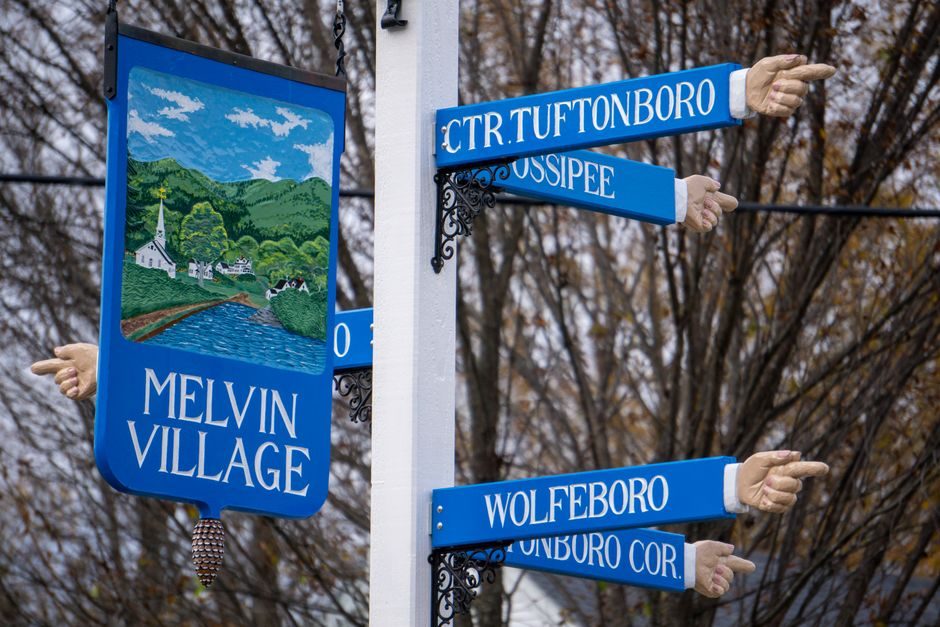
A town’s authority generally applies within its own boundaries, so the first step in checking a local issue is confirming which municipality covers the property or road. Nearby homes can fall under different town governments, and services or rules may change at a boundary. Property records and town offices can help residents verify which jurisdiction applies.
Some places in Vermont are organized differently from a standard town, and local governing arrangements are not identical statewide. Do not assume that a neighboring municipality holds the same kind of meeting or assigns responsibilities to the same officials. If you are unsure where a property sits or which body handles an issue, ask the municipality directly.
Residents comparing how places present local businesses may encounter Leicester Seo Services as an example focused on a community outside Vermont. Its location-specific approach is not a guide to Vermont town authority, which depends on local boundaries and governing arrangements. Keep those questions separate: online promotion concerns visibility, while jurisdiction determines which public body can act.
- Confirm the municipality tied to the property or road.
- Check whether the issue concerns town or state property.
- Ask the appropriate town office which body has authority.
- Read the governing body's notice for the specific matter.
State Duties Set Limits
Town government does not control every public decision residents encounter. State government sets statewide laws and oversees responsibilities assigned to it, while local bodies handle matters entrusted to municipalities. A town may maintain local roads, for instance, but a state highway is generally managed through state-level systems rather than by the selectboard alone.
Schools illustrate why it helps to identify the right level of government before seeking an answer. Vermont education policy and school governance involve state requirements and local school systems, which may cover more than one town. A town meeting vote is not automatically a vote on every school matter, so check the relevant school district's notices and governing documents.
When an issue crosses municipal boundaries or involves state law, town officials may have limited authority even if residents feel its effects locally. Ask whether the town can decide the matter, advise another body, or simply pass along concerns. This distinction sets realistic expectations and directs questions to the agency or elected board responsible for the decision.
Ways to Take Part in Local Government
Choose a Useful Entry Point
Start with the public body that handles the issue, then find out when and how it accepts resident input. Depending on the matter, that may be a selectboard, a planning body, a school board, or a town meeting. Residents who run a local business may also consider Local Seo Services when keeping business information accurate and consistent online.
Town meeting remains a familiar part of Vermont civic life, but its format and procedures are not the same in every municipality. Check the town's official notices for the meeting date, warrant articles, voting method, and any rules for participation. Reading the warrant before attending helps residents understand which questions are actually scheduled for consideration.
A resident does not need to speak on every agenda item to participate meaningfully. Attending, listening, and asking a focused question can clarify what a proposal would change and who is affected. If you want to comment, prepare a brief statement tied to the decision, and follow the chair's instructions about when and how public comments are taken.
- Read the agenda or town meeting warrant first.
- Identify which board or body has the decision.
- Prepare one concise question or specific comment.
- Follow the meeting's announced participation rules.
Serve Beyond Public Comment
Residents can contribute between meetings by volunteering for municipal committees, seeking an elected position, or helping with a local civic effort. The available roles and selection processes differ by town, so ask the clerk or consult official notices for current openings and requirements. This gives residents a way to build knowledge before a major issue reaches a vote.
Good participation depends on preparation as much as speaking. Read the supporting material, distinguish a confirmed proposal from an early discussion, and bring relevant local observations. If a document is unclear, ask the clerk or board for clarification rather than filling gaps with assumptions shared in informal conversations.
Respectful disagreement helps a small community make decisions without turning every policy dispute into a personal conflict. State what outcome you support, explain the reason, and listen for constraints raised by others. Afterward, check the minutes or official decision record to see what the body actually approved and whether any follow-up remains.
How to Check Claims About Town Decisions

Follow the Official Record
When you hear that a town has approved a change, look for the agenda, minutes, warning, or written decision from the responsible body. An agenda shows what was scheduled, while minutes record discussion and action after a meeting. For a formal vote, check the official result rather than relying on a neighbor's recollection or a social media post.
- Mistake: Treating an agenda item as an approved policy; better approach: confirm the action in the minutes or decision.
- Mistake: Relying on a secondhand account; better approach: check the official record.
- Mistake: Assuming a town controls a state matter; better approach: verify which public body has authority.
Read the document closely enough to separate a proposal from an adopted decision. A draft policy, planning discussion, or request for public comment does not necessarily mean a rule is in force. Look for the action taken, any stated conditions, and whether the record identifies another required approval or later step.
If the record is missing or the wording is unclear, contact the town office or the board responsible for the matter. Ask a precise question, such as whether a vote occurred or where the written decision is kept. A direct answer from the relevant office can correct a misunderstanding before it spreads through a neighborhood or local business community.
- Find the notice or agenda for the relevant meeting.
- Compare the agenda with approved minutes or a decision.
- Check whether the record lists conditions or further approvals.
- Ask the responsible office when the record is unclear.
Separate Fact From Interpretation
A meeting record can establish what officials discussed or voted on, but it may not explain every possible effect. When someone says a decision will raise a bill, close a road, or change a service, check whether the claim is stated in the record or is an interpretation. Then seek the supporting budget, project notice, or policy document.
Pay attention to timing and wording. A board may authorize staff to study an option without approving the option itself, and a public hearing may gather comments before a later vote. Ask what has happened, what remains undecided, and when the next formal action is expected.
For a clear account, compare claims with more than one primary document when practical, especially if the issue affects taxes, land use, or public access. Keep the distinction between a confirmed fact and a forecast visible when discussing it with others. That habit supports informed debate without treating uncertainty as proof that a claim is false.
Frequently asked questions
What does a Vermont selectboard do?A selectboard is an elected municipal body that handles town responsibilities assigned by law and local practice. Its work can include municipal budgets, roads, policies, and oversight of town services, but exact duties vary. Check your town's meeting notices and official records to see which matters the board handles, what decisions it can make, and when residents can comment.
Can residents vote on every town decision?No. Some decisions are made by elected boards or officials, while town meeting voters consider particular questions under local procedures. The format and voting rules can differ among Vermont municipalities, and some matters belong to school districts or state agencies instead. Review the meeting warning and ask the town clerk which decisions are open to a resident vote.
Where should I raise a concern about a local road?First confirm whether the road is town-maintained, state-managed, or under another authority. For a town road, contact the town office or the official responsible for roads and check the next selectboard agenda if the issue needs public discussion. For a state route, the town may be able to relay concerns, but the state agency responsible for that road may need to address them.
How can I learn what happened after a public meeting?Look for approved minutes or a written decision from the public body that handled the issue. Meeting notes may take time to appear, so contact the clerk or board office if you need to know whether a vote occurred. Compare the final record with the agenda, since an item may have been postponed, changed, or discussed without a decision.
Start With the Right Local Record
Town government matters because it shapes decisions close to home: roads, land use, local services, budgets, and public priorities. Its authority has limits, and procedures differ across Vermont, so a familiar practice in one town may not apply in another. Knowing which body is responsible—and checking its official record—helps residents understand what is happening before drawing conclusions.
For a practical next step, choose one issue that affects your household or neighborhood and find the next agenda, town meeting warning, or written decision about it. Confirm which municipality and public body are involved, then attend or contact the appropriate office with a focused question. That small act turns local government from something heard about into a process residents can follow and influence.

Add Vermont News as a preferred source on Google


