
What Is Vermont’s Main Industry? A Guide to Its Economy
Vermont has no single main industry. Learn how manufacturing, tourism, agriculture, health care and local businesses shape jobs and commerce across the state.

Vermont has no single industry that explains its whole economy. Manufacturing, health care, tourism, agriculture, education and public services all support jobs and businesses, with their importance varying by region. The most useful answer is a mix: manufacturing is a major economic force, while tourism and agriculture are especially visible parts of the state’s identity and local commerce.
That mix matters in everyday life, from employers in the Burlington area to farms and visitor businesses in rural towns. A statewide picture can help residents understand why local job opportunities, seasonal demand and business needs differ across Vermont.
This guide explains the major sectors, how local businesses find customers, and what to consider when commerce crosses borders. It focuses on practical distinctions rather than treating one industry as the whole story.
- Vermont’s economy has no single main industry; manufacturing, health care, tourism, agriculture, education and public services all matter.
- Which sectors stand out depends on the region, local employers and season.
- Businesses reach customers through storefronts, markets, events and online sales, often combining several channels.
- For overseas trade, confirm currency, fees, shipping, customs and payment terms before committing.
Why Vermont’s Economy Has No Single Main Industry
A Mix of Economic Roles
Vermont’s economy is better understood as a mix of sectors than as one dominant industry. Manufacturing, health care, tourism, farming, education and government each play different roles in supporting jobs and services. Their influence shifts by town, and a sector that is central to one community may be less visible in another.
A regional view helps explain why statewide summaries can feel unlike local experience. The Burlington area has a different employer mix from many rural towns, where farms, schools, health providers and visitor businesses may be prominent. Residents comparing communities should look at the employers and services nearby, not assume one statewide label applies everywhere.
For a business, the mix also affects customers and suppliers. A shop near a recreation area may see visitor demand rise and fall with the season, while a manufacturer may sell to clients far beyond Vermont. When comparing a foreign customer’s payment with U.S. books, dolar ve euro kurları can help check exchange-rate information.
Why Place Changes the Picture
Where a person lives can shape which industries they encounter most often. Chittenden County’s population and services create a different business environment from smaller communities in the Northeast Kingdom or the Connecticut River Valley. Local employers, customer traffic and access to services all influence which sectors feel most important.
Seasonality is another reason the picture changes across Vermont. Ski areas, lodging, restaurants and outdoor recreation businesses can experience pronounced busy and quiet periods, while schools and health services meet needs throughout the year. A town’s economy may therefore look different in peak visitor months than it does in the shoulder season.
For residents weighing job options, consider both the employer and the network around it. A hospital, college or factory supports direct jobs, but it can also create demand for food, maintenance, transportation and other services. Those connections help explain why a sector’s local effect reaches beyond its own payroll.
The Sectors That Drive Work Across the State
Manufacturing and Agriculture
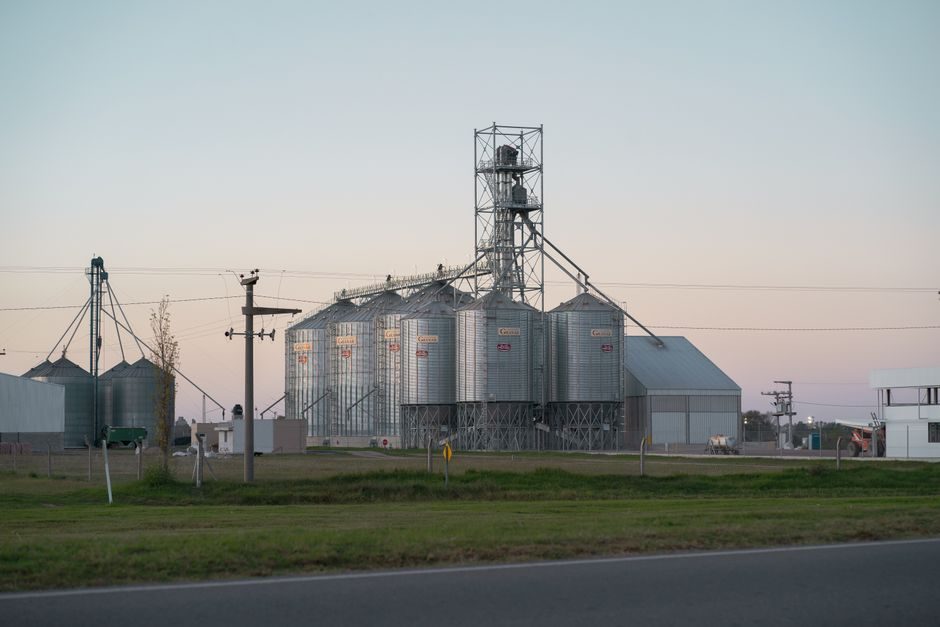
Manufacturing is a significant part of Vermont’s economy, spanning products and processes rather than one kind of factory. Food production, precision work and other forms of making connect employers with suppliers, skilled workers and customers outside their immediate communities. The sector’s presence is one reason Vermont cannot be described only through tourism or farming.
- Identify the sector and the type of work you want to pursue.
- Check employers and training options in your region.
- Compare the role’s year-round duties with any seasonal demands.
- Ask how the employer connects with suppliers, customers and other local businesses.
Agriculture remains important to the state’s working landscape and business identity. Dairy farming is especially associated with Vermont, alongside other farms and food producers that supply markets, retailers and restaurants. Farm-related work also supports businesses providing equipment, veterinary care, processing and transportation.
These sectors can overlap when farms supply ingredients to food makers or when local producers sell through Vermont shops and restaurants. A business reviewing a euro-denominated quote can use an euro TL döviz çevirici to understand the amount in Turkish lira before discussing costs with a supplier. For any cross-border purchase, the quote’s currency and payment terms still need checking.
Care, Education and Visitors
Health care and education are major sources of employment and essential services across Vermont. Hospitals, clinics, schools and colleges need a range of workers, from licensed professionals and educators to administrators and facilities staff. Their presence also supports nearby businesses that serve employees, students and patients.
Tourism brings visitors to Vermont for skiing, outdoor recreation, food, arts and community events. The resulting customer demand supports lodging, restaurants, guides, retailers and transportation, often with seasonal changes. In mountain towns and other visitor destinations, tourism can be particularly visible even though it is only one part of the statewide economy.
Public services and local government also provide jobs and keep communities functioning. Town offices, state agencies and public schools contribute to the mix, while construction and other services help maintain public facilities. Taken together, these sectors show why the best answer depends on whether someone is asking about statewide output, local employment or the industries they see each day.
How Local Businesses Reach Customers
Choose the Right Sales Channel
Vermont businesses reach customers through a combination of storefronts, direct sales and online channels. A shop on a village main street relies on walk-in traffic, while a farm may sell at markets, through subscriptions or directly from its property. The right channel depends on what is being sold, who buys it and how far it can travel.
A physical location can make sense when customers value seeing a product, getting service in person or combining a purchase with a visit. Online ordering can extend reach beyond a town, but businesses need a workable plan for fulfillment, delivery and customer questions. Some businesses use both, giving regular customers a local point of contact while accepting orders from farther away.
Before choosing, map the customer’s path from discovery to purchase. A producer might meet shoppers at a farmers market, then make repeat orders available online; a visitor business might depend on referrals and seasonal bookings. Vermont’s town centers, local events and outdoor destinations can each provide ways to connect with customers, but they call for different schedules and staffing.
- Use a storefront for in-person service and local foot traffic.
- Sell at farmers markets to meet customers directly.
- Offer online ordering when fulfillment is manageable.
- Build seasonal bookings around visitor demand.
| Channel | Best fit | Main consideration |
|---|---|---|
| Storefront | In-person service | Location and walk-in traffic |
| Farmers market | Direct local sales | Market schedule and staffing |
| Online orders | Customers beyond town | Fulfillment and delivery |
| Seasonal bookings | Visitor businesses | Demand changes through the year |
Build Local Customer Connections
Local relationships can help small businesses earn repeat customers and learn what a community needs. A retailer might coordinate with nearby makers, while a restaurant can feature ingredients from area farms when supply and timing allow. These connections can make a business more recognizable and keep purchasing linked to the local economy.
Community events, town centers and regional attractions offer opportunities to meet customers in person. Businesses should choose events that suit their products and staffing, rather than treating every gathering as a sales opportunity. A food producer, for example, may benefit from a market where shoppers are looking for local ingredients, while a service provider may get more from referrals.
Consistency matters after the first sale. Clear hours, reliable communication and realistic delivery or pickup arrangements help customers know what to expect. For businesses serving both residents and visitors, explaining seasonal availability upfront can prevent confusion and encourage customers to return when the product or service is available again.
A Vermont business dealing with an overseas customer or supplier should confirm the transaction currency before agreeing on a final amount.
When Vermont Businesses Buy or Sell Abroad
Understand Cross-Border Costs
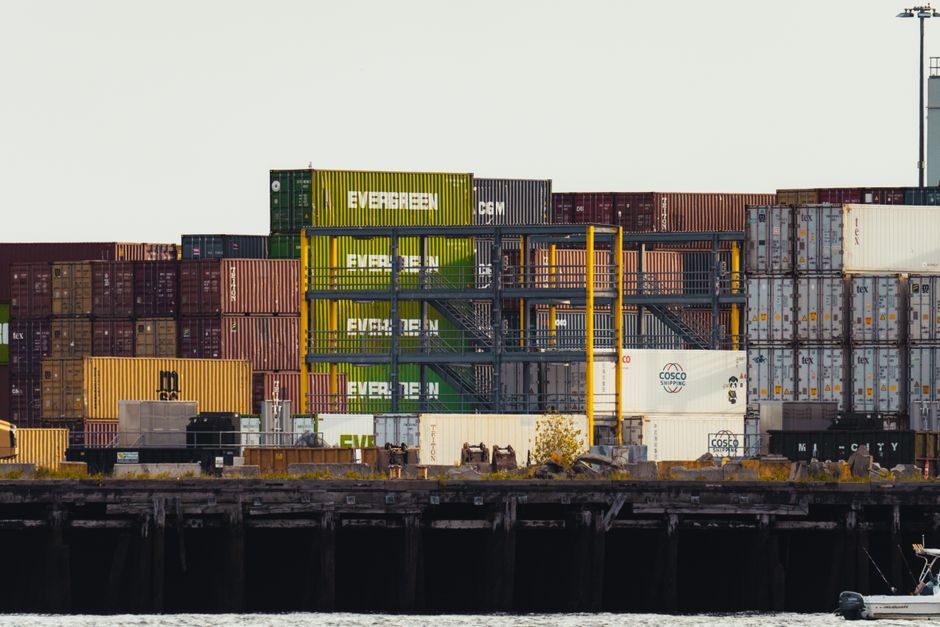
A Vermont business dealing with an overseas customer or supplier should confirm the transaction currency before agreeing on a final amount. A foreign-currency quote can change in U.S.-dollar terms as exchange rates move, so the date of conversion and the payment deadline matter. The parties should also clarify who is responsible for bank or payment-processing fees.
The written quote should separate the product or service price from shipping, insurance, duties and other charges that may apply. Businesses should verify which costs are included and which party handles customs paperwork, since assumptions can lead to unexpected expenses or delays. For a small company, checking these details before accepting an order is more useful than trying to resolve them after a shipment is underway.
Keep the records together: the quote, invoice, payment confirmation and any shipping or customs documents. Consistent records help reconcile the amount received with the amount entered in U.S. accounts. If the payment arrives in a different currency than the invoice, note the conversion method and date used for bookkeeping.
Check the Terms Before Committing
Cross-border sales require more than agreeing on a product and a price. A Vermont seller should check whether the buyer’s requested delivery method is practical, what documentation is needed and how the order will be insured. Requirements can vary with the product and destination, so businesses should confirm the applicable rules with the relevant service providers or authorities.
Suppliers’ payment terms deserve the same attention as customer terms. Confirm when payment is due, what happens if delivery is delayed and whether a deposit or other advance payment is required. Comparing the written terms across suppliers can help a business identify differences that are easy to miss when focusing only on the quoted price.
Start with a manageable order and a clear paper trail when entering an unfamiliar market. That approach lets a business test delivery, communication and payment processes before committing more inventory or staff time. Vermont companies should also consider whether they can support customers across time zones and respond promptly if a shipment or invoice needs attention.
Costs and Risks in International Trade
Track the Full Cost
A supplier’s quoted price is only one part of the cost of importing goods. Vermont firms should also account for freight, insurance, customs duties, payment fees, and the work of handling paperwork. For a small manufacturer, these additions can change whether an overseas input is less costly than a domestic alternative.
Currency movements can alter the final bill between the date a quote is received and the date payment is made. A Vermont buyer reviewing a Turkish supplier’s quote may check dolar kaç Türk lirası to understand the amount stated in lira, while confirming the actual exchange rate and bank fees with its financial provider.
Ask for quotes that spell out what is included, such as delivery to the business or only to a port. Confirm who pays duties and who carries responsibility if goods are delayed or damaged. Comparing quotes on the same delivery terms gives a clearer picture than choosing the lowest headline figure.
Plan for Disruption
International orders can face delays at several points, from production and port handling to customs clearance and inland transport. A Vermont food producer or equipment maker should consider how a late shipment would affect customer commitments, seasonal work, or production schedules before relying on a distant supplier.
Build a backup plan around the items that would stop work if they were unavailable. That might mean identifying a second source, keeping a modest reserve of a critical component, or agreeing on a realistic delivery window with customers. The right option depends on storage costs and how quickly the item can be replaced.
Trade rules and required documents vary by product and destination, so confirm requirements before placing an order. Keep invoices, product descriptions, shipping records, and origin information together, and ask a customs broker or relevant government office about uncertain obligations. Careful records make it easier to resolve delays and explain costs.
How Small Firms Can Compare Suppliers

Compare Beyond Price
A useful supplier comparison considers whether a business can deliver the right product reliably, not just whether its quote is low. Vermont firms can compare quality specifications, minimum order sizes, lead times, payment terms, and how the supplier handles defects. These details matter especially when an item is essential to a short production run.
- Compare suppliers using identical product specifications.
- Include delivery timing and payment terms in the review.
- Test a sample or small order when practical.
Request the same information from each candidate so the comparison is fair. A maker in the Champlain Valley, for example, might ask each supplier for the material grade, delivery schedule, and packaging method for the same component. Written answers make assumptions visible and provide a reference if the delivered goods do not match expectations.
Check how the supplier communicates when a problem arises, and ask what evidence supports its claims about quality or capacity. Where practical, begin with a small order or sample rather than committing to a large purchase. A limited trial can reveal packaging, consistency, and shipping issues before they affect customers.
Check Reliability and Fit
A supplier is a good fit only if its service matches the firm’s operating needs. A Vermont retailer that sells seasonal goods may value dependable delivery before a busy period, while a repair shop may need a source that can send smaller quantities on short notice. The best choice depends on the cost of running short.
Ask for references or examples of comparable work, and verify that the supplier understands the product’s specifications. For imported goods, clarify who arranges freight, provides required shipping documents, and responds if an order is incomplete. Clear responsibilities prevent a small problem from turning into a costly dispute.
Record the reasons for choosing a supplier and set a date to review performance after the first deliveries. Track whether orders arrive as promised, match agreed quality, and come with accurate paperwork. If results fall short, discuss a remedy promptly and keep another qualified source in consideration.
Practical Questions to Ask Before Expanding
Test the Business Case
Before expanding, a Vermont business should identify the specific demand it expects to serve and how it will know whether that demand is real. Talk with current customers, review existing orders, and ask potential buyers what they need, when they need it, and what alternatives they use. Interest alone is not the same as a commitment to buy.
- ☐ Confirm customer demand with specific questions.
- ☐ Estimate startup and recurring costs.
- ☐ Check space, permits, and staffing needs.
- ☐ Plan for cash flow if sales take longer to arrive.
Estimate the added costs that come with greater activity, including staffing, equipment, utilities, inventory, and delivery. Consider how a change in output could affect cash flow if customers pay after the business must pay suppliers. A plan should account for slower sales as well as the optimistic case.
Check whether the expansion fits the firm’s location and operating constraints. A shop may need enough space for inventory, while a food producer may need to confirm applicable permits and production requirements. Contact the relevant town office or state agency early, because approvals and site needs can shape the timetable.
Prepare for Added Work
Growth usually adds tasks as well as sales, so decide who will handle them before taking on new commitments. More orders can mean extra scheduling, customer service, bookkeeping, deliveries, and quality checks. If the owner already performs these duties, the added workload may limit the time available to manage the business.
Ask whether current employees have the skills and hours needed for the proposed change, and identify any training or hiring gaps. For a business serving customers across Vermont, longer delivery routes may require different staffing or a revised schedule. Small operational changes can affect service even when demand is strong.
Set a clear point at which the business will review the expansion and adjust its plan. Compare actual orders, costs, delivery performance, and staffing demands with the assumptions made beforehand. If the results do not support further growth, pausing or changing the approach can protect the business from commitments it cannot sustain.
Ways to Learn More About Vermont Industries
Use Local Information
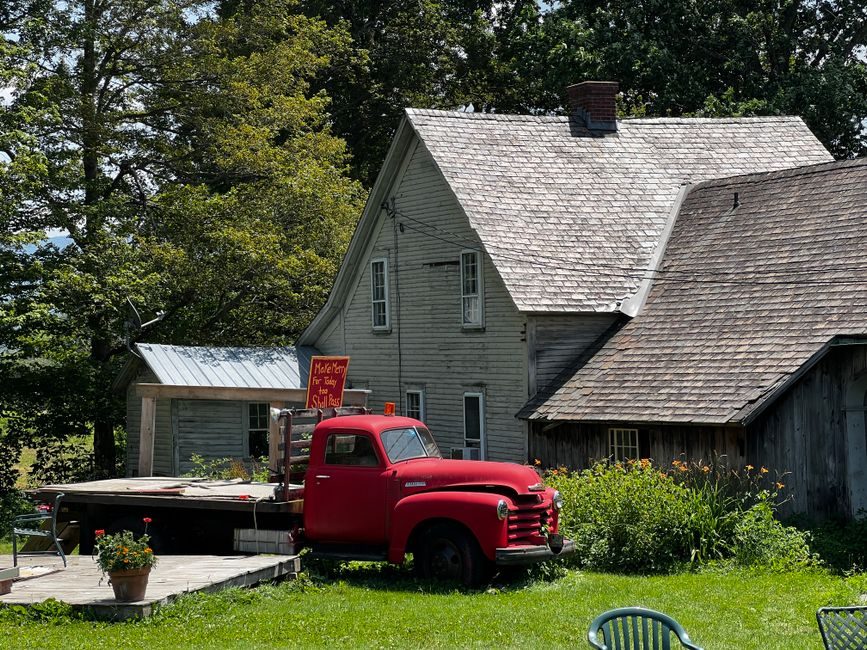
Start with information produced by Vermont agencies and local governments when researching an industry or business decision. State economic and labor resources can help explain employment patterns and workforce needs, while town plans and public meeting materials show local priorities. Use each source for the question it is best equipped to answer.
Trade groups, chambers of commerce, and regional development organizations can offer a closer view of conditions in a particular part of the state. Their members may describe seasonal demand, hiring challenges, or supply concerns from direct experience. Treat those perspectives as useful context, and compare them with public records and information from other businesses.
For a local question, contact the town clerk or relevant municipal office to find the right public documents or meeting schedule. A business considering a new site can review zoning information and town planning materials before committing to a location. These sources help clarify local requirements, but they do not replace professional legal or financial advice.
Connect Industry to Place
Vermont’s industries vary by region, so statewide descriptions cannot answer every town-level question. Tourism and outdoor recreation shape activity around destinations such as Stowe and the Northeast Kingdom, while agriculture, manufacturing, education, health care, and public services support communities across the state in different ways.
Look at how local employers, schools, transportation, and seasonal patterns affect one another. A business near a college or hospital may serve a different customer base from one tied to farming or winter visitors. Local reporting and public meetings can reveal changes that broad state summaries do not capture.
When comparing communities, ask what kinds of jobs are available, whether workers can reach them, and which businesses supply local employers. These questions connect economic activity to everyday life, including commuting, school enrollment, and town services. Revisit the picture over time, since a major employer’s needs or a seasonal shift can change local demand.
Frequently asked questions
Is tourism the biggest part of Vermont’s economy?Tourism is highly visible and supports many businesses, particularly in places shaped by skiing, outdoor recreation, and seasonal visitors. But it is not the whole economy. Vermont also relies on health care, education, manufacturing, agriculture, public services, and other employers. The importance of each sector varies by region, so a statewide answer should not be mistaken for a description of every town.
What does Vermont make or produce?Vermont businesses produce a varied mix of goods and services. Agriculture and food production, specialty manufacturing, forest-related products, and craft businesses contribute alongside work in health care, education, retail, construction, and tourism. The mix differs across the state, and some firms sell beyond Vermont while others primarily serve customers in their own communities.
How can I find out which industries employ people in my town?Start with public information from state agencies, your town, and regional organizations, then check local employers’ own announcements and community reporting. Town plans and meeting records can explain development priorities, while labor resources offer broader employment context. For a specific question, ask the relevant municipal office where its records are available and whether another local organization tracks the issue.
Why do Vermont industries differ from one region to another?Geography, transportation, workforce, and local institutions all influence which businesses can operate and grow in a community. Visitor-focused businesses cluster around recreational destinations, while other areas may have stronger ties to manufacturing, agriculture, education, or health services. Seasonal demand also matters: businesses in some towns plan staffing and inventory around shifts in visitors and outdoor conditions.
Understanding the Work Behind Vermont’s Economy
Vermont does not depend on a single industry. Tourism and outdoor recreation are prominent, but they operate alongside agriculture, manufacturing, health care, education, public services, and businesses serving local communities. The balance changes from one region to another, and even neighboring towns may have different employers and seasonal patterns. For residents, that mix is the clearest answer to what drives the state’s economy.
For a practical view of your own community, choose a question—such as where jobs are growing or what a local business needs to expand—and check town materials alongside state and regional information. If you run a business, test assumptions with customers and suppliers before making commitments. That approach turns a broad picture of Vermont’s economy into useful information for a local decision.

Add Vermont News as a preferred source on Google


