
Obituaries in the USA: a practical guide for readers
A practical guide for navigating obituaries in the USA, with clear steps, credible sources, and tips for readers seeking accurate notices.

Obituaries in the USA are a dependable record of community history and personal milestones. This guide explains how readers can verify notices, access archives, and distinguish credible sources from informal posts. It offers practical steps for finding reliable information quickly and respectfully.
In this era of rapid posting, understanding where to look helps readers avoid misinformation and missives that are not officially sanctioned. You’ll learn how to compare listings, use local and national databases, and confirm details before sharing or citing obituaries.
By the end, you’ll have a clear, repeatable approach: identify credible outlets, search effectively, and respect privacy and accuracy when reading or publishing notices.
- Obituaries in the USA are a useful public record when sourced from credible outlets. Start with established newspapers or funeral homes, then verify with multiple independent sources.
- Cross-check details against cemetery records or church notices to ensure accuracy before citing or sharing.
- Use recognized online portals and keep a careful citation trail to support reporting or personal research.
- Be mindful of privacy and sensitivity when handling notices, especially in social contexts.
Foundations: what counts as a public obituary
Credible sources to start
Begin with established outlets such as newspapers and official funeral home notices. These sources typically provide a date, location, and biographical details that can be cross-checked with other records. Look for consistent formatting and direct quotes from family members or institutions. obituaries in the USA
This first sub-section helps readers separate formal notices from social posts or unverified shares. Start with local newspapers, state memorial pages, and funeral home announcements to set a baseline for accuracy.
When you verify, compare multiple copies of the same notice across at least two independent sources to reduce the chance of errors.
- Check the date and place of death against the obituary text
- Note the sponsor or publisher for source credibility
- Cross-check with cemetery or death certificate records
- Record the publication date for citation accuracy
Finding legitimate databases
Search state archives, metropolitan library portals, and university collections for obituary databases. These platforms often provide advanced search options by name, location, and date. Use filters to limit results to official notices rather than user-generated posts.
These databases centralize notices and reduce the noise from social media. When possible, corroborate with a second official source before relying on a single listing.
Pay attention to the update timestamps and the presence of contact information for further inquiries.
- Use a verified library catalog search
- Prefer official funeral home notices
- Check for a publisher’s stamp or license
- Avoid relying on anonymous posts
How to verify a local obituary

Cross-check with multiple outlets
Always compare the obituary across at least two sources. If one lists a funeral date and another omits it, seek confirmation from parish records, cemetery listings, or the funeral home. Consistency matters for accuracy. A useful resource on this topic: Crypto News Mag headlines.
A single discrepancy isn’t evidence of fraud, but it warrants a follow-up. Document your sources and seek the most complete version available.
When possible, contact the listed funeral home or cemetery to confirm details before sharing publicly or recording in a timeline.
- Match names, dates, and locations
- Note any family members listed for confirmation
- Record the source URLs or publication details
- Seek official confirmation when details differ
Handling archived notices
Archived notices often retain older spellings or maiden names. Respect this when researching family history, and verify name variants with birth or marriage records. Archives can reveal timing or edits that affect accuracy.
Different archives may have different coverage; plan to search state, city, and county repositories for a fuller picture. Use date ranges to narrow results and keep a notes file for each source.
When a notice appears in a regional newspaper, check whether the site provides a direct link to the obituary or requires a catalog search.
- Search by alternative spellings
- Check for cross-referenced family names
- Note the archive’s access policy
- Preserve source citations
Where to read obituaries safely
Credible online portals
Use recognized newspaper websites and official funeral homes’ pages for obituaries. These sites usually offer downloadable PDF formats or text copies that preserve the original wording. They also include contact details for inquiries. A useful resource on this topic: promote your event in the USA.
Online portals provide stable links and search tools, which helps when you need to cite notices in reporting or personal research. Save or export copies with the publication date for accuracy.
Be wary of generic aggregators that pull notices from various feeds; verify any items you find there against the original publisher.
- Identify the publisher and date
- Save a copy for citation
- Compare with another official source
- Note any corrections posted later
| Source type | Strengths | Limitations |
|---|---|---|
| Newspaper notices | High credibility, official wording | May have limited online reach |
| Funeral home notices | Direct from families, timely | May vary in format across providers |
| Official archives | Stable access, historical depth | Access may require institution login |
Guidelines for citing obituaries
Cite the publisher, date, and obituary title or subject to make a precise attribution. When possible, include a link and retrieval date to show the source’s timeline. Use neutral language and avoid adding unverified details.
Journalistic practice favors corroboration; if two outlets disagree, report the conflict and reference both sources. Do not speculate on motives or personal history beyond what is stated in the notices.
Maintain sensitivity when sharing obituaries in public contexts, especially in short-form posts or comment threads.
- Cite publisher and date clearly
- Include retrieval date
- Note any discrepancies between sources
- Avoid assumptions beyond the notice
Develop a routine to check at least two independent sources before treating a notice as confirmed.
Practical tips for readers and reporters

Smart search strategies
Use precise names and dates, and add the location to narrow results. If a name is common, search through birth and death year ranges or associated places like church or cemetery names. Save several candidate results for comparison. A useful resource on this topic: promote your business in the USA.
- ☐ Identify publisher and date
- ☐ Record location and link
- ☐ Save copies for reference
- ☐ Note any updates or corrections
Develop a routine to check at least two independent sources before treating a notice as confirmed. This habit protects readers and reporters from misidentifications.
Create a simple citation trail so others can verify what you used, especially when reporting on local communities.
- Use exact names and locations
- Check two independent sources
- Keep a clear citation trail
- Document updates or corrections
Ethical considerations in obits reporting
Obituaries touch families and communities; report with care and accuracy. Do not publish unverified details or rumor, even if information is widely shared. Respect privacy when details are sensitive but publicly relevant.
When writing about a death, verify the relationship between individuals named in the notice and the community context. This avoids misattributing roles or honors.
As a reader, consider the impact of obituary notices on relatives and the broader community before sharing widely.
- Avoid unverified details
- Verify relationships
- Respect privacy and impact
Ethical use of obituary information
Ethical guidelines for readers
Obituaries carry sensitive information. Readers should respect privacy when the deceased’s family is involved. Use of obituaries in reporting requires careful verification and context to avoid harm. rooms and property to rent in the USA
- Obituaries should be used to inform, not invade privacy
- Cross-check facts with official notices
- When in doubt, seek consent from relatives or editors
Journalists and readers alike should distinguish between public notices and personal details that may upset families or communities. When in doubt, err on the side of restraint and accuracy.
Avoid sensationalizing death or treating obituary material as entertainment; prioritize factual reporting and consent where possible. This approach builds trust and protects vulnerable individuals.
- Respect privacy boundaries
- Verify sources before sharing
- Avoid sensational language
- Provide context to prevent misinterpretation
- Acknowledge corrections when needed
Digital archives and privacy

Access controls for archives
Digital archives offer broad access but come with privacy considerations. Use search filters to limit exposure of sensitive details. Keep an eye on public-interest thresholds when sharing archive snippets.
- Know what to redact before publication
- Maintain a clear audit trail for archived material
Archive access should balance transparency with harm prevention. Prefer official records when possible and redact identifying details that aren’t necessary for the story.
Consider retention policies and the potential for future misuse of archived material. Responsible handling reduces risks of doxxing or stigma.
- Use filters to limit sensitive results
- Redact unnecessary identifiers
- Refer to official records when feasible
- Document sources clearly
- Respect rights of living individuals
Global comparison of obituary practices
How practices differ by country
Some countries emphasize official registers and obituary notices in state or local media. Others rely on family announcements posted online with limited distribution. The spectrum reflects cultural norms about death, privacy, and public memory.
Newsrooms should recognize these differences when sourcing international obituaries. Cross-check with national registries or reputable international outlets to avoid misreporting.
When reporting internationally, avoid assuming uniform practices; specify the source of the obituary and the jurisdiction governing it.
- Compare source types (official vs. family notices)
- Note language and date formats
- Be cautious with translation nuances
- Respect differing privacy expectations
- Cite jurisdictional authority clearly
Future trends in obituary reporting
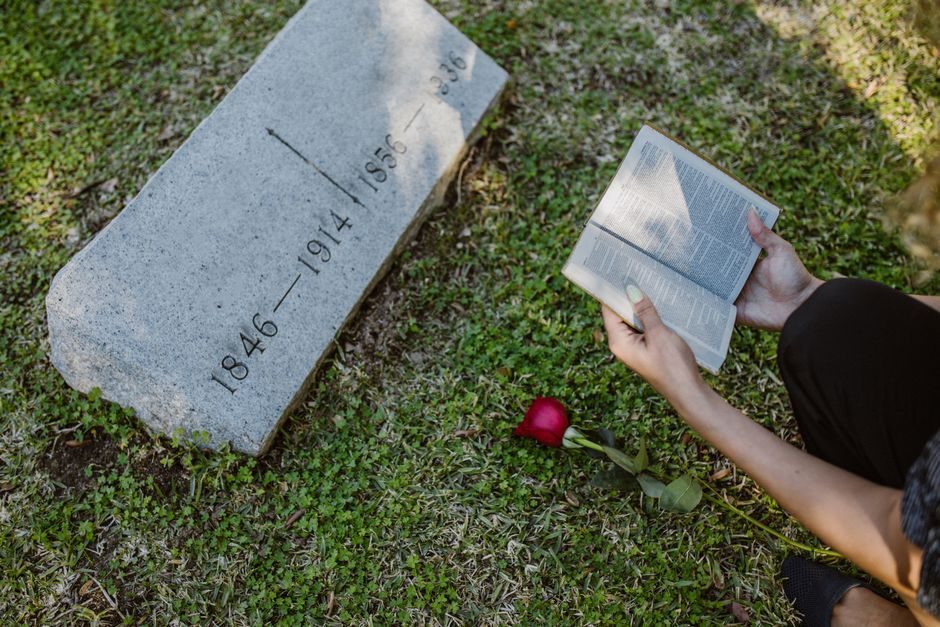
How technology changes obituaries
Automation is changing how notices appear online, with standardized templates and searchable databases. This can speed up reporting but may reduce nuance if not supervised by editors.
AI and data-mining raise questions about consent and accuracy. Editors should verify machine-generated details against primary notices and local records.
Developing newsroom policies on archival rights and consent will help maintain credibility as formats evolve.
- Monitor templates for bias
- Verify automated summaries against original notices
- Update consent practices as platforms change
- Document changes in policy
Frequently asked questions
How do obituaries differ from death notices?Obituaries are usually longer, provide more context about a person’s life, and are often published with the family’s consent in mind. Death notices tend to be shorter, listing essential details like name, date, and funeral arrangements. Readers should treat obituaries as informative pieces that require careful verification.
Why verify obituary details from multiple sources?Multiple sources reduce the risk of errors in dates, spellings, or affiliations. Local notices, official records, and reputable media outlets together create a reliable picture. Verification is essential for accuracy and for maintaining public trust in reporting.
What should a reader do if they notice a discrepancy?Check the obituary’s original notice and any public records cited. If possible, contact the newsroom or the family through official channels to confirm. Corrections should be issued transparently to preserve accountability.
Are online obituary databases trustworthy?Online databases vary in reliability. Favor notices from established outlets or official registries, and look for corroborating evidence in local records. Treat user-generated collections with caution and cross-check before quoting details.
Final takeaways and next steps
Readers rely on accurate, respectful obituaries that inform and reflect community memory. Reporters should verify details, cite sources, and avoid sensationalism to maintain credibility.
A practical next step is to review local practices for archiving notices and to establish clear policies on privacy and consent linked to obituary reporting, ensuring consistent standards across coverage.
Add Vermont News as a preferred source on Google


