
How Vermont Residents Can Prepare for Severe Storms
A practical Vermont storm checklist covering household plans, weather alerts, safer choices, and the supplies to gather before severe weather arrives.

Vermont residents can weather storms more safely by making a household plan, following reliable forecasts and alerts, and preparing supplies before conditions worsen. Decide where everyone will shelter, how family members will reconnect if separated, and what to do if power, roads, or phone service are disrupted. After the storm, avoid hazards and check on neighbors only when it is safe.
Storm threats vary across Vermont: heavy rain can flood roads and basements, strong winds can bring down trees and power lines, and winter weather can make travel dangerous. A useful plan accounts for the people in your household, local terrain, and the possibility that help or services may take time to reach you.
Use the checklist below to prepare in manageable steps. Review your plan before storm season and whenever household needs change, such as a new medication, a move, or a change in who depends on you for transportation or care.
- Identify the hazards around your home and usual routes, then make a household plan with clear roles and meeting points.
- Follow official alerts through more than one channel and act on warnings without waiting for conditions to worsen.
- Gather household-specific supplies, secure outdoor items before the storm, and avoid floodwater, downed wires, and unsafe generators.
What Storm Preparedness Means in Vermont
Know Your Local Risks
Start by identifying the weather hazards that could affect your home and regular routes. Vermont residents may face river or surface flooding, high winds, snow and ice, or thunderstorms, sometimes with more than one hazard at once. A home near a stream has different concerns from one on a steep road or in a wooded area.
- List the hazards that could affect your home and usual routes.
- Choose a safe place to shelter indoors.
- Save official weather and emergency information sources.
- Review the plan with everyone in your household.
Walk around your property in fair weather and note low spots, basement doors, drainage paths, and trees near buildings or wires. Think about whether your usual route to work, school, or essential services crosses a flood-prone road. Do not assume a familiar route will remain passable once heavy rain, snow, or fallen trees change conditions.
A Vermont organization improving its public-facing preparedness information could use an seo agency directory to identify potential digital communications support. For household planning, the essential step is to know which official local and state sources provide weather notices and emergency instructions. Save those sources before a storm, while internet and phone service are working normally.
- Mark nearby low-lying areas and drainage paths.
- Identify more than one route away from home.
- Consider mobility, medical, and transportation needs.
Prepare for Disruptions
Storm preparedness also means planning for interruptions that continue after the worst weather passes. A power outage can affect lighting, refrigeration, heating, communications, and equipment that depends on electricity. Consider which services each household member needs and how long you could manage if roads were blocked or normal routines stopped.
Keep an up-to-date list of essential medications, care instructions, and emergency contacts where household members can find it. If someone relies on powered medical equipment, discuss backup arrangements with their health care provider before severe weather. A written plan is useful when a phone battery is low or internet service is unavailable.
Neighbors and community organizations can help share information and check on people who may need assistance, but do not assume help will be immediately available. Agree on a safe way to contact one another and identify who may need a check-in. Keep that coordination practical, respectful, and based on what people have agreed they need.
How to Make a Household Storm Plan

Set Roles and Meeting Points
Write down who will do what before a storm, while it is happening, and after it passes. Assign practical tasks such as bringing pets indoors, checking supplies, or helping a family member who needs assistance. MediaKit.uk may be relevant to local groups planning how to share preparedness information with a wider audience.
Choose an indoor shelter location away from windows, and make sure everyone knows how to reach it. Agree on a meeting point outside the home for situations where you must leave, plus an out-of-area contact who can relay messages if household members cannot reach one another directly. Share the plan with caregivers and trusted contacts.
Talk through what changes if people are at school, work, or elsewhere when a warning arrives. Decide who will pick up children or help a household member with limited mobility, and avoid plans that require anyone to drive through hazardous conditions. Keep instructions brief and clear enough that a child or visitor can follow them.
- Assign household tasks and backup helpers.
- Choose an indoor shelter and an outdoor meeting point.
- Name an out-of-area contact for messages.
- Share the plan with caregivers.
Plan for Everyone at Home
Build the plan around the people, animals, and equipment in your household rather than relying on a generic checklist. Include children, older adults, pets, and anyone who may need help communicating or moving quickly. Make sure the person assigned to each task knows what to do and can reach the necessary supplies.
If a household member uses a mobility aid or needs medication on a schedule, decide how those needs will be met during an evacuation or extended outage. Keep relevant instructions accessible, and ask the person what support works best. A plan made with the people affected is more likely to be practical when stress is high.
Practice the decisions that could be confusing in the moment, such as which room to use or where to meet if you leave. Review the plan when contact details, caregivers, or household routines change. Keep pets' carriers, leashes, and food easy to find so animals can be moved without delaying a safe departure.
Ways to Stay Informed When Weather Turns
Use More Than One Alert
Choose official weather and emergency information sources before severe weather begins, and make sure alerts can reach you at home and on the go. Organizations sharing storm guidance may buy guest posts online to place that information on other relevant websites, but residents should base safety decisions on current official instructions.
Use a combination of alerts and direct updates rather than depending on a single phone notification. Keep a battery-powered or hand-crank radio available if you have one, and check that phones can receive emergency alerts. If you lose power or mobile service, a radio or a trusted contact may still help you learn what is happening.
Understand the difference between a watch and a warning: a watch signals conditions may develop, while a warning means hazardous weather is occurring or expected soon. Follow the action recommended in the alert, not just the headline. If an official warning tells you to shelter or avoid travel, act promptly instead of waiting to see conditions worsen.
- Enable emergency alerts on your phone.
- Keep a battery-powered radio accessible.
- Check official state and local updates.
- Confirm an alert before sharing it onward.
| Method | Useful for | Check before storms |
|---|---|---|
| Phone alerts | Warnings on the move | Emergency alerts are enabled |
| Official online updates | Current local instructions | Sources are saved and accessible |
| Battery-powered radio | Updates during outages | Batteries or charging are ready |
| Trusted contact | Relaying messages | Contact details are shared |
Match Updates to Decisions
Check forecasts at useful decision points: before leaving home, before a planned trip, and when an alert changes. The forecast can help you decide whether to postpone travel, move outdoor items, or prepare to shelter. Conditions can vary across Vermont, so look for information relevant to your location rather than relying on a distant report.
Use the information to make specific choices, not to test how close you can get to dangerous conditions. If flooding is possible, do not drive through water covering a road; depth and road damage may be hard to judge. During high winds or thunderstorms, stay clear of windows and avoid going outdoors to inspect damage.
Share verified instructions with household members who may not be monitoring alerts themselves. If you pass along a warning, include its source and the action people should take, rather than repeating an unconfirmed social post. For urgent hazards, follow directions from emergency officials and do not delay action to seek confirmation from several channels.
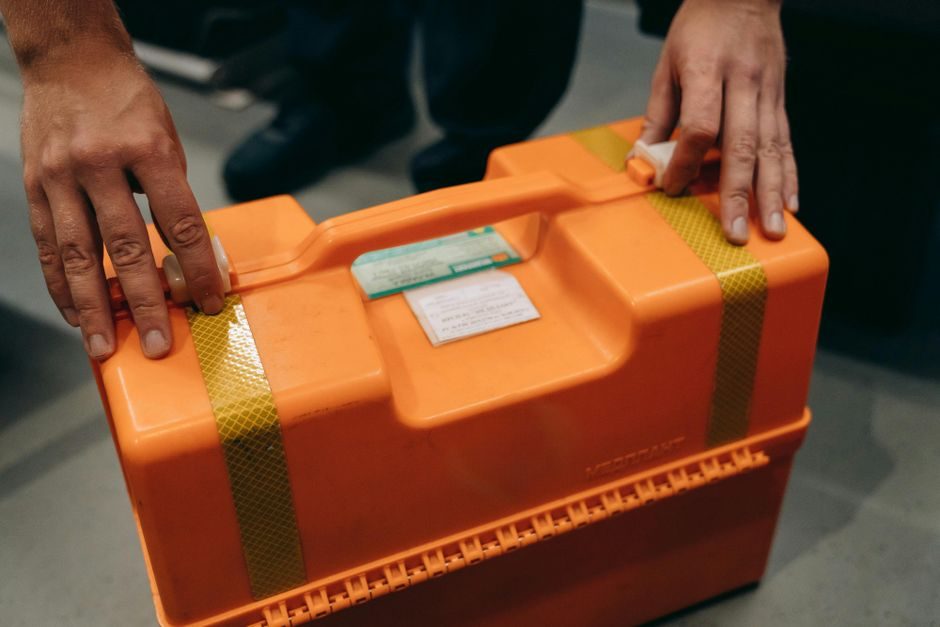
Include drinking water, shelf-stable food, a manual can opener, flashlights, spare batteries, a first-aid kit, and a phone charging option.
Preparing Your Home and Essential Supplies
Gather Practical Supplies
Keep essential supplies together where household members can reach them quickly, and check them before stormy periods. A community group seeking broader coverage for an emergency-readiness announcement may consider cheap press release distribution, while households should focus on preparing water, food, lighting, and needed medications.
Include drinking water, shelf-stable food, a manual can opener, flashlights, spare batteries, a first-aid kit, and a phone charging option. Add supplies specific to your household, such as infant items, pet food, glasses, or medical equipment instructions. Store the kit in a dry, accessible place rather than somewhere likely to flood.
Keep important documents and contact details protected from water, and know where to find them if you need to leave. A small bag with medications, keys, sturdy footwear, and essential items can help if there is little time to evacuate. Replace used supplies and check expiration dates as part of ordinary household upkeep.
- Store water and shelf-stable food.
- Keep flashlights and spare batteries together.
- Add household-specific medication and care items.
- Protect important documents from water.
Reduce Hazards Around Home
Before severe weather arrives, secure or bring inside outdoor items that could blow away, such as lightweight furniture, bins, and garden tools. Clear leaves from accessible drains when it is safe to do so, and check that doors and windows close properly. Do not climb ladders or handle tools once wind, lightning, or flooding creates a hazard.
Know how to shut off utilities only if you have been instructed or trained to do so, and keep the relevant equipment accessible. Never use a generator, grill, or camp stove indoors or in an enclosed space; these can produce deadly carbon monoxide. Follow the equipment maker's safety instructions and keep generators well away from the home.
After the storm, look for hazards from a safe location before returning outside. Stay away from downed power lines, damaged structures, and floodwater, and report dangerous conditions through appropriate local channels. Do not enter a flooded basement to reach equipment or belongings; water can conceal electrical and structural dangers.
When Local Organizations Need to Share Storm Updates
Coordinate Before Weather Arrives
Local organizations should agree in advance on who shares storm information, which channels they will use, and how urgent updates will be checked. A school, volunteer group, or community center can name a communications lead and a backup, then keep their contact details accessible to authorized staff. Clear roles reduce delays when power or internet service becomes unreliable.
Share only information that comes from a dependable source, such as the National Weather Service, Vermont Emergency Management, or a local public safety agency. If an update is still being confirmed, say so rather than presenting it as settled. Readers need to know what is known, what remains uncertain, and when another update is expected.
A communications agency serving local organizations could include white label link building among its client services, separate from the urgent work of preparing accurate storm notices. Before severe weather, organizations should also agree how staff will pass along corrections if a road closure, shelter detail, or event plan changes. Consistent wording helps residents recognize the latest confirmed information.
Make Updates Useful and Accessible
Put the action residents need near the beginning of each message: avoid a flooded road, close a facility, or check on a scheduled event. Include the affected area and the time the information was checked when those details are available. A short, direct alert is easier to use than a long message with the instruction buried at the end.
Reach people through more than one channel when possible, because storms may interrupt cell service, electricity, or internet access. A community organization might use its established email list and social accounts while also sharing notices through local partners. Keep printed procedures available for staff who must communicate in person or by radio.
Use plain language and consider residents who may not receive digital messages, including people with limited connectivity or communication needs. Translate or adapt messages when the organization knows its audience needs another format. Avoid sharing private information about residents who request help; direct people to appropriate public safety or emergency services instead.
Common Storm-Readiness Mistakes to Avoid

Do Not Wait for a Warning
Prepare essential supplies before a forecast becomes urgent, because stores may be busy and roads may already be hazardous. Keep drinking water, shelf-stable food, flashlights, batteries, medications, and basic first-aid items where household members can find them. A Vermont business or nonprofit with UK audiences may also consider guest posting services uk as part of separate outreach planning.
- ☐ Check that flashlights work and spare batteries are available.
- ☐ Store essential medications where they can be reached quickly.
- ☐ Keep a battery-powered radio with household supplies.
- ☐ Write down emergency contacts and backup meeting instructions.
Do not assume a phone will remain charged or that a mobile alert will arrive. Keep a battery-powered or hand-crank radio available, and know how to receive official updates if your usual connection fails. Write down important contacts and household instructions so they remain usable when devices are out of power.
A checklist is only useful if someone checks it and replaces expired or used items. Review supplies when seasons change, and confirm that anyone who relies on medication or medical equipment has a realistic backup plan. Discuss that plan with a health professional or service provider before a storm, rather than improvising during an outage.
Avoid Risky Travel Decisions
Never drive through water covering a road, even when the depth or current is hard to judge. Floodwater can conceal washed-out pavement, debris, or a damaged crossing, and a vehicle may be swept away. Turn around and choose a safer route only after checking current road information from an authoritative source.
Do not treat a familiar route as safe simply because it was passable during an earlier storm. Heavy rain can change conditions quickly, while fallen trees or downed wires may block roads after the rain stops. If travel is not essential, staying put can protect both household members and emergency responders.
Avoid using outdoor grills, camp stoves, or generators indoors or in an attached garage. These devices can produce deadly carbon monoxide, even when a door or window is open. Follow the equipment instructions, keep generators outdoors and away from openings, and leave damaged electrical systems to qualified professionals.
Practical Steps for Checking on Neighbors
Agree on a Simple Check-In
Before severe weather, ask nearby residents whether they would like a check-in and how they prefer to be contacted. A knock, phone call, or text may work for one household but not another. Agree on a backup method and a reasonable time to try again if the first message receives no reply.
- Ask neighbors in advance how they want to be contacted.
- Respect privacy and offer help without making assumptions.
- Call emergency services for immediate danger rather than attempting a risky rescue.
Focus first on people who may need extra help with mobility, medication, heat, or charging medical equipment, but do not assume what they need. Ask what would be useful and respect a resident's choice to decline assistance. Keep any shared contact details private and use them only for the agreed purpose.
Set practical limits so neighbors can help without taking on unsafe tasks. A person can pass along an official outage update, help carry supplies within safe conditions, or contact emergency services when someone appears to be in immediate danger. Do not enter a flooded basement, approach a fallen wire, or attempt a rescue that puts another person at risk.
Share Help Without Creating Risk
Use a small, clear offer rather than a broad promise that may be difficult to keep. You might ask whether a neighbor needs a battery-powered radio, a phone charged at a safe location, or help finding an official update. Confirm what they actually need before carrying supplies or sharing personal information with others.
If roads are blocked or conditions are worsening, do not travel between homes to complete a routine check. Call or message instead, and follow public safety instructions about where to go. If someone cannot be reached and there is a specific reason to fear immediate danger, contact emergency services for guidance rather than forcing entry.
After conditions improve, let neighbors know about confirmed local resources through trusted channels, such as municipal notices or established community organizations. Avoid forwarding unverified claims about available shelter, food, or assistance. A short message with the source and the time it was checked helps residents distinguish current information from outdated posts.
After the Storm: Checking for Damage and Hazards
Check Safely Before Reentering
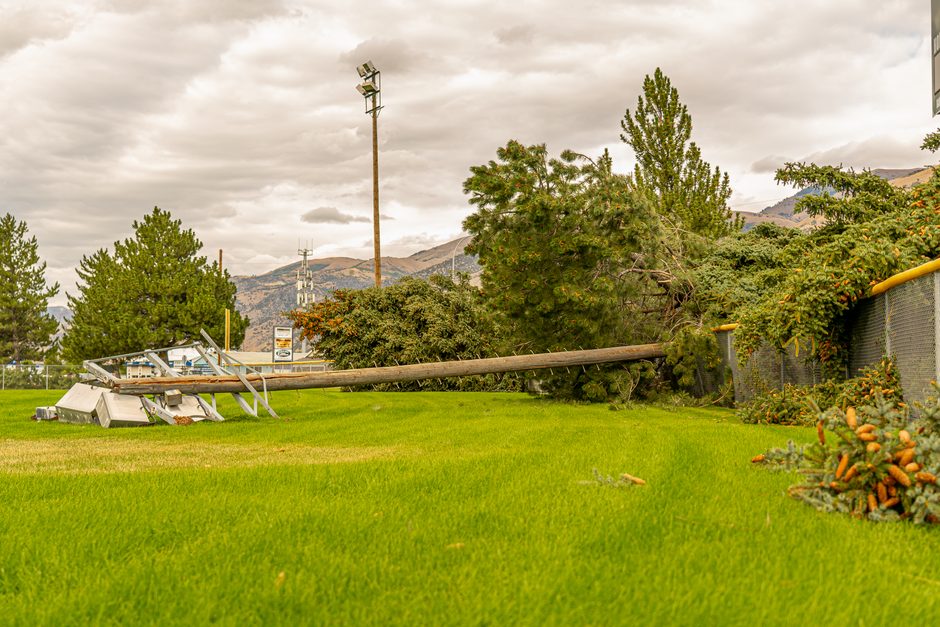
Wait for official guidance before returning to an evacuated area or entering a building that may be damaged. Once it is safe to approach, look for obvious hazards from outside, including leaning trees, broken branches, damaged walls, and wires on the ground. Keep people and pets away from anything that could fall or carry electricity.
- Entering a damaged building before checking for structural hazards; wait for it to be declared safe.
- Touching a fallen wire to move it; stay away and report it to the utility or emergency services.
- Using an open flame to inspect a dark area; use a flashlight instead.
If you smell gas, see sparking wires, or hear unusual electrical sounds, leave the area and contact the appropriate emergency or utility service from a safe location. Do not touch a wire or operate switches in a place where gas may be present. A cautious exit is safer than trying to diagnose the problem yourself.
Use a flashlight to inspect dark spaces rather than a candle or open flame, and avoid standing water near electrical equipment. Do not enter a flooded basement until power has been safely disconnected by the utility or a qualified professional. If a structure appears unstable, stay out and seek professional assessment before cleanup begins.
Document Damage and Follow Up
Photograph property damage only from a safe place, and do not climb onto a roof or enter an unstable room to get a better view. Keep images and notes organized by location and date, and record which areas remain inaccessible. This documentation can help when you contact an insurer, landlord, utility, or local official.
Check for standing water, spoiled food, and damaged heating or electrical equipment before using affected rooms again. Follow guidance from public health and utility authorities about drinking water, cleanup, and service restoration. Wear suitable protective equipment during cleanup, and do not mix cleaning products or handle materials that may contain hazardous substances.
Report blocked roads, dangerous trees, damaged public infrastructure, or other hazards through the appropriate local or state channels. Describe the location clearly and distinguish what you observed from what you heard from someone else. Keep checking official updates, since a road or service that has reopened may change again if further damage is found.
Frequently asked questions
What should I do if a storm warning arrives while I am away from home?Follow the warning's instructions and seek a safe indoor location rather than trying to reach home through hazardous conditions. Check official weather and emergency updates, and tell household members where you are if communication is available. Avoid flooded roads and downed wires. Once travel is safe, return using current road information rather than relying on a route that was clear earlier.
How can I keep receiving updates during a power outage?Keep a battery-powered or hand-crank radio and spare batteries with your emergency supplies, and conserve phone power for essential calls and messages. A vehicle radio may help if it is safe to use the vehicle, but never run an engine in an enclosed space. Follow official sources and share only confirmed information with others.
Should I use a generator during a prolonged outage?Use a generator only according to its manufacturer’s instructions, outdoors and well away from doors, windows, and vents. Never operate one in a home, basement, shed, or attached garage, even with the door open, because carbon monoxide can build up. Keep fuel stored safely, and have working carbon monoxide alarms in the home.
When is it safe to return to a flooded or storm-damaged home?Wait for official instructions if the area was evacuated, and do not enter a building that appears unstable or has electrical, gas, or structural hazards. Stay away from standing water near electrical systems and from any downed wire. If you smell gas or see sparking, leave and contact the appropriate service from a safe location.
Make Storm Readiness a Household Routine
A safer response starts well before the first warning: keep supplies usable, know where to find official updates, and agree on household and neighbor check-ins. During a storm, follow public safety guidance and avoid travel through floodwater or around damaged wires. Afterward, inspect only from safe locations, document what you can, and leave dangerous cleanup to qualified professionals.
Choose one practical task to do next: test your flashlights, write down a family contact plan, or check that your radio works without household power. Then ask a neighbor whether they have a preferred way to receive a check-in. Small preparations make decisions clearer when conditions change, and reviewing the plan after each storm helps it stay useful.

Add Vermont News as a preferred source on Google


