
How to Sell Second-Hand Items in the USA: A Practical Checklist
A practical, reader-focused checklist for VermontPost readers on selling second-hand items in the USA, including basics, options, pitfalls, and tips.

Questions about moving unwanted items into cash often come up in local news and consumer reports. This guide offers a clear, practical path for readers who want to sell second-hand items in the USA, outlining steps from basics to safer selling practices.
It explains where to start, how to choose channels, and what common mistakes to avoid, all in plain language.
Readers will come away with a concrete plan: identify items, pick a platform, prepare listings, and protect personal information.
- This guide provides a practical path to selling second-hand items in the USA, from initial sorting to choosing platforms and writing honest listings.
- It emphasizes safety, clear descriptions, and sensible logistics to minimize headaches for buyers and sellers.
- Readers will finish with concrete steps and a plan to test one or two marketplaces first, then expand.
- The approach avoids hype and sticks to actions you can take today.
Basics for starting
Assess what to sell
Start by sorting items that have clear appeal and low risk. Ask whether the item is in usable condition, and whether it has repair value or nostalgic interest that buyers pay for. This helps separate quick wins from long shots. sell second-hand items in the USA is a common question for readers seeking practical guidance.
Keeping items organized makes listings faster. Group similar items and test devices if possible, so you can describe their current state accurately.
- Make a first pass over clutter.
- Set aside items you’ll never use again.
- Note any flaws for honest listings
Choosing a platform

Compare selling channels
Different platforms attract different audiences. Local groups may offer quick, cash-based transactions, while national marketplaces can yield higher prices but require shipping or delivery logistics. Consider your item type, location, and time frame when choosing. Bcoin Talk online is referenced as a place where people discuss online marketplace experiences.
Be mindful of fees, seller protections, and ease of use. Start with one or two familiar channels to test posting strings and photos.
- Local buy/sell apps work well for furniture and household items.
- National marketplaces reach more buyers but may incur higher shipping hassles.
- Payment safety varies by platform; use built-in protections when available.
Listing details
Draft accurate descriptions
Clear descriptions reduce buyer questions and returns. Include item condition, dimensions, materials, and any functional notes. If possible, add measurements and close-up photos of wear. what's on in the USA helps readers gauge current consumer trends and local opportunities.
- Include multiple clear photos from different angles.
- Specify item age and usage context to set expectations.
Use neutral tone and avoid overpromising. State whether batteries, cords, or accessories are included, and mention any known issues.
| Option | Pros | Cons |
|---|---|---|
| Sell locally | Fast pickups, cash | Limited reach and space for clutter |
| Ship via marketplace | Wider audience | Shipping hassles and fees |
| Consign with a shop | Less effort for you | Lower returns and store rules |
Safety and privacy
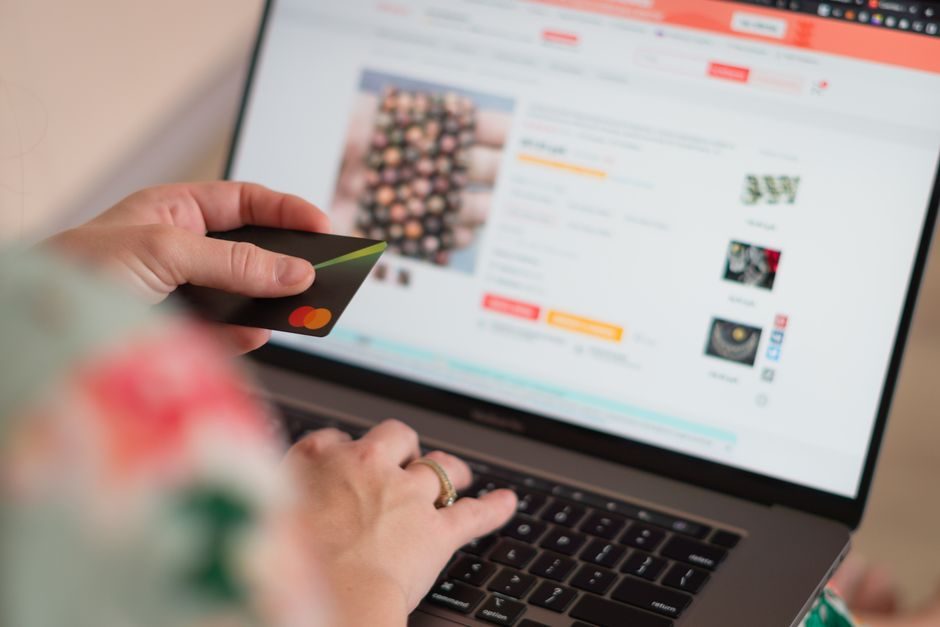
Protect personal information
Use separate contact channels for buyer inquiries rather than sharing your home address or full name. Many platforms offer built‑in messaging that preserves privacy. USA business listings can be a resource for understanding where buyers and sellers connect in different regions.
Be cautious of requests for unusual payment methods or upfront fees. Favor trusted, trackable payment options and shipping where possible.
- Never share sensitive data beyond what's needed for the sale.
- Use platform protections for disputes and refunds.
- If a deal feels off, pause and reassess before proceeding.
Offer a brief justification for your price based on comparable items sold recently in similar markets.
Negotiating prices and delivery
Establishing a fair starting price
Open with a clear, non-negotiable price range to set expectations for both parties. Provide context for your asking price by noting item condition, age, and any included accessories. This helps buyers assess value quickly and reduces back-and-forth cycles. how to place an obituary in the USA
- ☐ List the item plainly with its main features
- ☐ Include any flaws honestly
- ☐ Set a firm bottom line and a willing-to-sell range
- ☐ Suggest a pickup or delivery method
Offer a brief justification for your price based on comparable items sold recently in similar markets. Be ready to cite features that justify value, such as working components or verified provenance. A reasonable anchor prevents excessive haggling.
Conclude with a concrete method for negotiating that respects both parties’ time, such as a firm price with room for a small discount if the buyer buys multiple items. This keeps the process efficient and clear.
- State your minimum acceptable price
- Mention any included extras
- Suggest a quick delivery option
Determining delivery terms
Clarify who bears transport costs and who handles packaging. If meeting in person, choose a safe, public location and set a time window that works for both sides. Written terms reduce misunderstandings at pickup.
Offer multiple delivery options when feasible, such as curbside drop-off or local courier for larger items. Document any restrictions, like weight limits or fragile handling. A practical plan helps prevent delays and disputes.
Close by confirming the agreed method in a message and advising the buyer of any required verification, such as item power status or proof of purchase. This keeps the transaction orderly from start to finish.
- Public meeting spot preferred
- Clear responsibilities for packing
- Record delivery method in writing
Legal and tax considerations

Understanding purchase legality
Know that most second-hand sales are legal between private parties, but some items require age or condition disclosures. Check local rules on restricted goods and consumer protections to avoid trouble after the sale. Being informed protects both sides.
- Know item-specific rules where you live
- Keep a simple sale record
- Verify item authenticity when possible
- Follow platform guidelines
Keep records of the sale in case questions arise about title or authenticity. For high-value items, ask for basic verification like serial numbers or original receipts when available. Clear records deter disputes.
Conclude by noting that legality also depends on the platform’s rules, which can vary. Adhering to both local law and site policies minimizes friction and future issues.
Tax implications for casual sellers
For most casual sellers, a single or infrequent sale does not trigger tax reporting. However, consistently selling items for profit could be taxable income. If in doubt, consult the general guidance provided by tax authorities or a professional.
Documentable losses or expenses related to selling, such as repairs or shipping costs, may affect overall profitability. Recordkeeping helps distinguish between hobby sales and business activity. Treat larger or repeated sales as potential business activity.
Final note: sales on major platforms often align with consumer protection rules, but tax status depends on how you use the income. Stay organized and seek advice if your situation changes.
Sustainability and refunds
Reducing waste through resale
Selling kept items instead of discarding them cuts waste and lowers clutter. Emphasize condition and any refurbishing you did to extend usable life. Clear photos and honest descriptions help buyers trust the listing.
Offer options that encourage reuse, such as bundles or removals with responsible disposal of packaging. Explicitly state what you cannot take or recycle, and provide alternatives. This practicality supports a smoother transaction.
Close with a reminder that transparent limitations save time for both sides and support a community-oriented approach to consumption.
Handling refunds and returns
Set a clear return policy in the listing, including time limits and conditions. A reasonable window gives buyers confidence without inviting abuse. State whether refunds are cash, credit, or exchange.
If a buyer requests a return, evaluate item condition on receipt and respond promptly. Most issues arise from nonfunctional components or misaligned expectations, so document everything. A fair, neutral approach preserves trust.
Close by outlining steps to resolve disputes, such as mediation or platform assistance, if needed. Clear expectations reduce post-sale friction and encourage future transactions.
- Define return window
- Specify condition requirements
- Explain refund method
- Offer a quick resolution path
Reader resources and next steps

Useful contact points and tools
Identify trusted local resources for selling second-hand items, such as community notice boards and reputable online marketplaces. Use platform tutorials to understand listing standards and buyer protections. Rely on official consumer guidance for safety tips during pickup.
- Create a simple listing checklist
- Keep all receipts and confirmations
- Have a safe pickup plan
- Know the platform’s buyer protections
Assess available tools for estimating item value and creating accurate descriptions. Use clear photographs and organized inventory lists to speed up the process. A well-prepared listing reduces questions and increases buyer interest.
Conclude with a plan to test a small batch of items first, then scale up as you gain experience. Incremental steps minimize risk and build confidence in the process.
- Local bulletin boards
- Platform seller guides
- Value estimation tools
- Photograph checklists
Next steps for regular sellers
If you plan to sell regularly, build a standardized workflow: inventory, pricing, listing, and delivery. This helps maintain consistency and reduces errors. Regular practice improves speed and reliability.
Consider privacy safeguards such as wiping devices before sale and removing personal data from items. Create a quick checklist to verify you’ve covered these steps. A disciplined approach protects you and buyers.
End with a reminder to reassess pricing and terms periodically as market conditions change. Stay flexible, but keep core rules intact to maintain buyer trust.
Frequently asked questions
What should I do if a buyer asks for a discount after I’ve stated a price?Respond with a firm, courteous explanation of your pricing, citing item condition and included accessories. Offer a small, limited-time incentive if appropriate, such as bundling with another item, but avoid drifting into drawn-out bargaining. A clear stance reduces back-and-forth and preserves buyer trust.
How do I handle a return or refund request?Refer to the listing’s stated policy and assess the item’s condition upon return. Communicate timelines and how refunds will be processed. If the item matches the description but the buyer is unhappy, consider a partial refund or exchange to preserve goodwill.
Are there risks in meeting buyers in-person?Meet in public, daytime locations and bring a friend if possible. Verify the item against the description before handing it over and avoid carrying large sums of cash. If anything feels off, end the meeting and reschedule or use a courier service.
What documentation should I keep after selling an item?Save messages with the buyer, notes on the item’s condition, photos of the listing, and confirmation of delivery. These records help resolve disputes and provide a clear trail of what was agreed and what was delivered.
Conclusion
Takeaways: establish clear pricing, delivery, and return terms to reduce back-and-forth and disputes. An orderly process earns buyer confidence and supports repeat transactions. Keep digital records of every step to safeguard both sides.
Next steps: test a small batch of items, refine your listing templates, and build a simple seller workflow that fits your schedule. As you gain experience, scale up with consistent practices and measured risk.
Add Vermont News as a preferred source on Google


