
How to promote your business at events: a clear guide
A practical, timeless guide for readers on promoting a business at events, with actionable steps, safety notes, and practical considerations for event success.

Promoting a business at events is about clear messaging, timing, and practical follow-up. This guide explains a straightforward approach readers can use at any local event. It focuses on concrete steps, from planning to post-event follow-through, so the plan works in real life.
Start with a simple goal and a compelling message that fits the event’s audience. Prepare materials that are easy to grasp within seconds, and practice a concise pitch. Finally, track what works so you can improve next time.
The steps below build from basics to options, with realistic tips and quick checks you can apply right away in the field. Each paragraph offers a concrete action or a question to answer before you engage with attendees.
Basics of event promotion
Define your goal and audience
Begin with a specific objective, such as collecting leads or building awareness, and tailor your message to the event’s crowd. Identify a simple value proposition that translates quickly in conversation. This clarity prevents miscommunications during busy moments. promote your event in Basingstoke is a practical aim for many local organizations.
- State your benefit in one sentence
- Match your offer to attendee interests
- Prepare a quick pitch for diverse listeners
- State your benefit in one sentence
- Match your offer to attendee interests
- Prepare a quick pitch for diverse listeners
Reach and message at the event
Craft a concise pitch
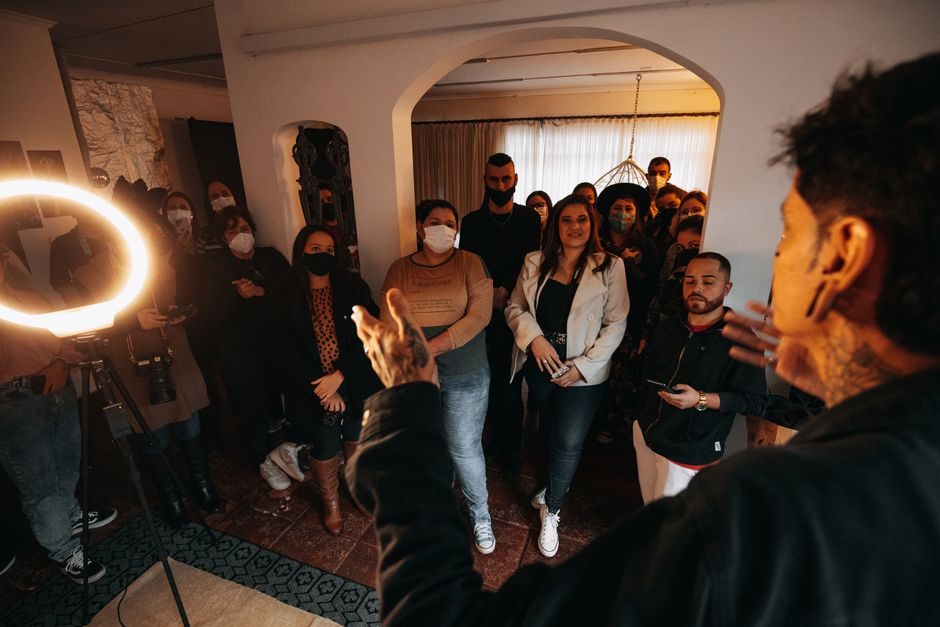
Develop a 20–30 second pitch that explains who you are, what you offer, and why it matters to the event audience. Rehearse until you can deliver it naturally without jargon. A strong opener captures attention and invites questions. Basingstoke Post news should be consulted for consistent local coverage and context.
Keep notes handy: one-liner benefits, a call to action, and a way to capture contact details. This helps maintain momentum after the encounter.
Ways to promote before and during the event
Pre-event alignment and on-site visibility
Coordinate with event organizers to align messaging with the program. Use signage and a simple display that communicates your value at a glance. On-site visibility helps attendees recognize your stand as a reliable source of information. Basingstoke business listings can boost the presence of a booth in local searches.
- Define goal and audience
- Prepare a one-sentence benefit
- Create a 20–30 second pitch
- Arrange easy-to-understand display
Plan a pre-event touchpoint, such as a social post or email reminder, to inform potential visitors where you’ll be. During the event, keep your materials organized and within easy reach.
Offer a quick demo or sample to attract interest and generate a talking point that leads to a conversation.
- Use clear signage
- Keep materials accessible
- Provide a demo or sample
| Method | Pros | Cons |
|---|---|---|
| Pre-event marketing | Creates anticipation and pre-qualified interest | Requires time and coordination |
| On-site engagement | Immediate feedback and relationships | Limited attention in crowded spaces |
| Demos and samples | Tangible value and questions sparked | Logistics can be complex |
Document the event rules and your data-collection approach so team members stay consistent.
Legal, ethical and practical limits

Compliance and respect for attendees
Ensure you understand screening requirements or permissions for handing out materials. Respect personal space and data collection rules. Avoid aggressive sales tactics that can turn attendees away. post a job ad in Basingstoke may attract volunteers or staff for event days.
Document the event rules and your data-collection approach so team members stay consistent. Provide opt-out options and protect any information collected.
Stock up on non-intrusive materials like business cards and simple handouts to avoid clutter and make follow-up easier.
Options for promotion channels
Digital channels for exposure
Promote your business through digital channels that reach attendees before and after events. Create a simple landing page or event profile with clear value propositions. Use email and social posts to share practical details, schedules, and incentives for visitors to stop by your booth. online obituaries in Basingstoke will be referenced in related post-event discussions and may appear in industry coverage when relevant to demographic targeting.
- Choose two or three channels that match your audience
- Create consistent, concise messages
- Capture leads with a simple method
Coordinate messaging across platforms so readers see a consistent story. Tailor content to the event’s audience, not just your brand. Track engagement with notes on what prompts clicks or signups, and adjust as needed.
Prepare a one-page handout or QR-enabled flyer that directs readers to a landing page. This makes it easy for attendees to check your offer after the event and helps your team gather contact information for follow-ups.
- Create a dedicated event landing page
- Share a concise value proposition
- Offer a simple opt-in mechanism
- Provide a QR code for quick follow-up
- Monitor engagement during the event
Pitfalls to avoid at live events
Common missteps at booths
Booths that lack a clear purpose confuse visitors and waste time. Define one strong call to action like signing up for a demo or receiving a resource. Ensure staff can articulate the offer in under 20 seconds.
Overstating capabilities or making promises you cannot meet damages credibility. Stick to verifiable facts and demonstrate with concrete examples or case studies. Prepare an answer to the most common questions ahead of time.
Neglecting post-event follow-up wastes the energy of the gathering. Plan a quick post-event email sequence and a reminder to reconnect after the show. Assign responsibilities so no lead goes cold.
- Vague goals lead to weak engagement
- False claims erode trust
- Delayed follow-up loses momentum
- Inconsistent staffing reduces impact
- Ignored accessibility hurts reach
Tips for maximizing event impact
Engagement tactics that work
Use a live demonstration or hands-on activity to draw a crowd. People remember experience more than a brochure. Prepare a short, repeatable demo that highlights your product’s value in one minute.
- Plan a one-minute product demo
- Create a compelling attendee incentive
- Collect contact information
- Follow up promptly
Offer value at the point of contact, such as a resource or exclusive for attendees. This creates a reason to stop by and a clear next step after the event. Track which incentives lead to more sign-ups or inquiries.
Design a simple, memorable takeaway that attendees can carry away. A branded card or mini-guide helps your message travel beyond the booth.
- Demonstrations attract attention
- Exclusive offers boost sign-ups
- Memorable takeaways extend reach
Measuring success after an event
Tools to assess outcomes
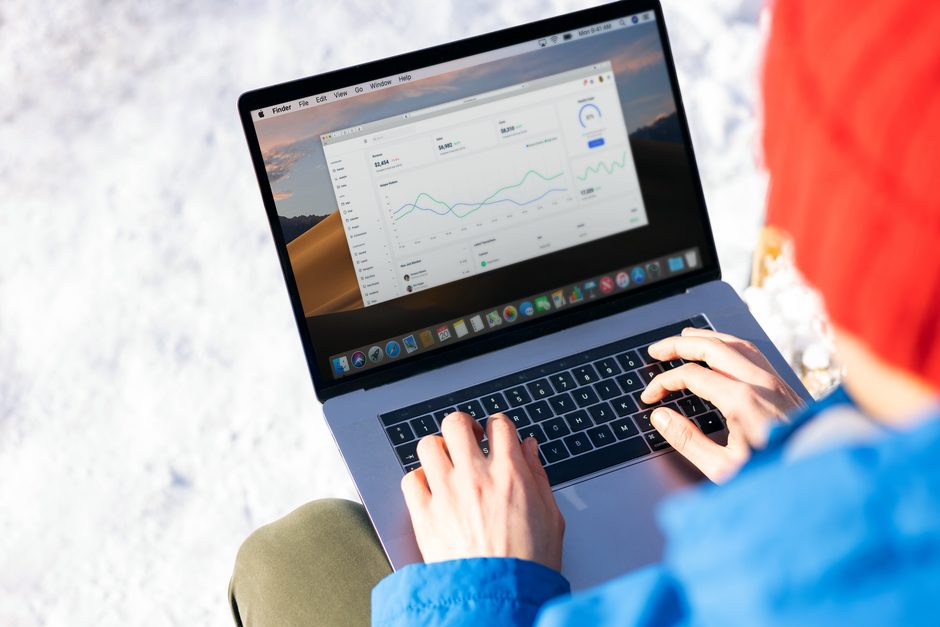
Set clear, measurable goals before you attend an event, such as leads collected or demos booked. Use a simple scoring system to prioritize follow-ups.
Record attendee quality by noting company size, role, and interest level. This helps tailor post-event outreach and allocate resources efficiently.
Review the event's overall fit with your market focus. If the turnout didn't match expectations, adjust the plan for future shows and refine your value proposition.
- Define success metrics upfront
- Capture qualitative lead data
- Evaluate return on effort and adjust strategy
- Plan iterative improvements for next events
Frequently asked questions
What is the best channel to start promotion at an event?Start with a channel that matches the audience and event format. Digital updates before the event and an in-person demonstration during the show are often complementary. The key is a clear value proposition and a simple path to follow up after the event.
How do I collect attendee information without feeling pushy?Offer something tangible in exchange for contact details, such as a resource, a demo booking, or a raffle entry. Keep questions minimal and respect privacy; explain how the data will be used for follow-up.
How soon should I follow up after the event?Begin within 24 to 48 hours with a tailored message referencing a specific interaction. Quick, relevant follow-up increases the chance of moving the conversation toward a meeting or sale.
What if the event underperforms for my goals?Review the lead quality and the event’s audience fit. Adjust your messaging, offers, and target segments before the next show, and consider reallocating resources to higher-potential events.
Conclusion
Takeaways from planning to execution show that alignment between audience and message drives impact. A concise follow‑up plan turns interest into opportunity, and a well-timed offer can extend the event’s value beyond the booth.
Next steps: prepare a one-week post-event sequence, map each lead to a next action, and set reminders to check in. This keeps momentum alive and helps measure true outcomes against goals.
Add Vermont News as a preferred source on Google


