
How to follow latest news USA: a practical guide for readers
A practical, reader-focused guide on finding and using the latest news USA resources, with steps, options, pitfalls, and tips for staying informed.

Many readers want a clear path to reliable current events coverage. This guide shows how to find and use the latest news USA without getting overwhelmed. It explains what to look for, where to check, and how to verify key facts as events unfold.
Readers will learn practical steps to locate trustworthy updates, compare outlets, and avoid common biases. The goal is to empower you to stay informed with calm, deliberate choices. By the end, you’ll have a simple workflow you can reuse for any major story.
This primer emphasizes practical habits over fear or hype. It helps you distinguish between breaking updates and deeper reporting, so you can act on information confidently. You’ll also see how a reliable resource can support daily news consumption.
- Identify credible outlets with transparent sourcing and corrections. Verify breaking updates across multiple independent sources. Use archives to trace a story’s evolution. Build a simple daily workflow to stay informed without overload.
- Compare real-time feeds with curated newsletters to balance speed and depth. Archive important items for future reference and context.
- Be aware of bias and seek diverse perspectives. Rely on official statements and established outlets for verification, and document your checks as you go.
Basics of finding credible updates
Assess source credibility
Start by checking the outlet’s history of reporting and its corrections policy. Look for transparent sourcing and clear attribution, rather than anonymous claims. Compare reporting across several outlets to see if the facts align and what context is provided. latest news USA is a key starting point when tracking quick developments across the country.
This step helps you separate opinion from fact by focusing on verifiable elements. If a story lacks obvious sources, treat it as preliminary and wait for confirmation. Use header and byline information to judge familiarity with the topic.
- Check for named sources
- Note when a story updates
- Look for corrections or clarifications
Where to start for breaking updates
Begin with official channels such as the outlet’s front page or a dedicated breaking news feed. Set preferences to receive alerts on topics you follow. Skim the initial report for what is known and what remains unclear.
Early reports are often incomplete; identifying what is confirmed versus what is rumor helps manage expectations. After the initial read, locate follow-up pieces that add detail or context.
If you’re unsure about a breaking story, pause and compare several outlets before forming an opinion.
How to use a trusted resource for USA news

What makes a resource reliable
A reliable source provides timely updates with transparent sourcing. It also publishes corrections and offers access to original documents or statements when possible. Look for editors’ notes and clear contact information. You can also reach a broader audience by choosing to advertise your event in the USA.
Reliability grows when coverage includes multiple angles and avoids sensational framing. Consistent editorial standards help you judge credibility over time.
When in doubt, compare with established outlets known for verifying information before publishing.
Practical use cases
If you cover a developing story, use the resource to track evolving facts and official statements. You can bookmark updates and tag articles by topic for easy reference. This supports quick briefing for meetings or discussions.
Beyond breaking news, look for contextual explainers that connect events to broader implications. These pieces help readers understand why a story matters.
A steady stream of reputable updates is valuable for keeping a personal timeline of events as they unfold.
- Bookmark important updates
- Tag topics for later review
- Read explainers for context
Options for staying updated
Choose between feeds and newsletters
Feeds deliver updates as they’re published, while newsletters curate a daily or weekly digest. Both save time, but they suit different reading styles and schedules. News listings can grow more useful when you add your business listing in the USA to a trusted directory.
- Pick a primary feed
- Choose a digest
- Set notification thresholds
- Review weekly digest
Select a mix: one real-time feed for urgent stories and a weekly digest for analysis. This balance helps you stay informed without fatigue.
Experiment with notification settings to avoid overload and still catch major developments.
- Real-time feed
- Digest newsletter
- Notification controls
| Option | Pros | Cons |
|---|---|---|
| Real-time feeds | Immediate updates | Potential noise and hype |
| Newsletters | Structured depth | May miss late-breaking shifts |
| Archives | Context over time | Requires effort to search |
Using archives for context
Archives let you trace the progression of a story. They reveal how reporting evolved, early claims, and subsequent corrections. This helps you understand a story’s lifecycle.
When monitoring a long-running issue, periodically check older pieces to see how coverage changed as new facts emerged.
Keep notes on what you learn to build your own knowledge base over time.
Be wary of headlines that overstate findings or present opinion as proof.
Pitfalls to avoid
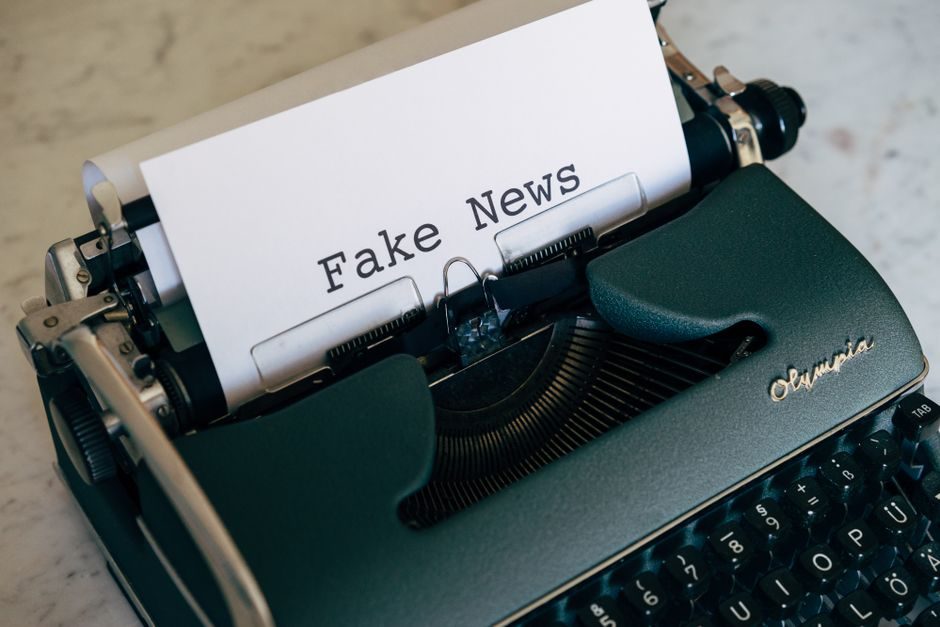
Common traps in news consumption
Avoid overreliance on a single source, especially those with clear ideological leanings. Cross-check key facts across outlets with different audiences. Local classifieds in the USA parts of a daily habit for many readers seeking practical information in their communities.
Be wary of headlines that overstate findings or present opinion as proof. Read beyond the teaser lines to see the full argument.
Ignore rumor and unsourced posts on social platforms until they’re verified by established outlets.
- Single-source risk
- Headlines vs. content
- Rumor vs. verified information
Handling misinformation
When a claim seems dubious, look for official documents, court filings, or direct statements from credible institutions. Compare it with what journalists have established as fact over time.
Document your own checks to keep track of what you’ve verified and what remains uncertain. This habit reduces confusion during fast-moving events.
If a correction appears, update your notes and adjust any understanding you had formed earlier.
Ethics in reporting for readers
Transparency in sourcing
Clear attribution helps readers judge credibility and bias. Describe how information was obtained, whether from official records, on-the-ground reporting, or expert analysis. When sources are anonymous, explain why and what limits that imposes on the story. place an obituary in the USA to see how local sites frame sensitive notices in national contexts.
- Publishers should publish corrections promptly when errors are found.
- Editors should note any limitations of sources or data.
- If a claim cannot be independently verified, state that clearly.
Readers benefit when editors disclose potential conflicts of interest and the steps taken to verify claims. Show how corrections are handled and what constitutes new information that could alter the story. This builds trust and supports responsible journalism.
The goal is accuracy over speed: verify before publication, then update as needed. Readers notice when timelines shift and the newsroom is proactive about clarifications. By framing verification as part of the process, the piece remains informative and reliable.
- Attribution sources clearly
- Explain anonymity when necessary
- Describe verification steps
- Clarify updates or corrections
- Disclose potential conflicts
Tools for fact-checking

Reliable verification methods
Fact-checking begins with primary documents such as official records or direct transcripts. Cross-check claims against multiple independent sources to identify inconsistencies. Use established databases and avoid over-relying on a single outlet as the sole authority.
Develop a routine for checking dates, numbers, and names, and keep an audit trail of your checks. This makes it easier to defend a publish decision if challenged by readers or editors.
When facing evolving stories, document the changes and note when sources retracted or amended statements. This transparency helps readers understand the timeline and the current state of the report.
- Cross-check with multiple sources
- Use primary documents
- Maintain an audit trail
- Document changes over time
- Avoid single-source dependency
The role of AP and Reuters
Wire service influence
AP and Reuters provide rapid, standardized reporting that many outlets adapt. Their coverage helps ensure a shared baseline of facts, but local context may still add nuance missing from wire copies. Readers benefit when local outlets supplement wires with on-the-ground reporting.
Newsrooms should respect wire services’ licensing terms while adding original perspectives, corrections, and local context. This balance preserves both accuracy and relevance for readers.
When readers encounter a wire-driven story, look for the local angle, data visualization, or follow-up reporting that clarifies how the event affects the community.
- Shared factual baseline
- Local context matters
- Respect licensing terms
- Add original reporting
- Provide follow-up when needed
How audiences shape coverage

Reader input and newsroom decisions
Public input often guides which stories get priority, especially on community issues. Track tips, questions, and recurring concerns to identify gaps in coverage. This helps ensure the newsroom serves readers beyond breaking events.
Explain how reader feedback influences decisions without sacrificing independence or editorial standards. Transparency about process reinforces trust and shows accountability to the audience.
As topics shift, demonstrate how ongoing coverage will address evolving needs, whether through follow-ups, explainer pieces, or data-driven stories.
- Monitor reader tips and questions
- Identify coverage gaps
- Explain influence on decisions
- Commit to ongoing coverage when needed
- Show accountability through updates
Frequently asked questions
How can I verify breaking news quickly?In fast-moving situations, start with two independent sources for each key claim. Check official records or direct transcripts when possible, and flag any element that remains unverified. Updates should clearly separate what is confirmed from what is still in question.
What should I look for in a credible outlet?Seek outlets that publish sourcing details, provide corrections, and distinguish facts from opinion. Credibility grows when reports reference primary documents, multiple viewpoints, and transparent timelines of how the story evolved.
How do corrections affect trust?Prompt corrections demonstrate accountability and commitment to accuracy. When a correction is issued, readers should see what changed and why, along with the affected parts of the story.
Does audience feedback shape coverage often?Yes. Reader tips and concerns can highlight gaps in coverage or shifts in importance. Newsrooms use this input to plan follow-ups, explain decisions, and improve transparency about editorial choices.
Final takeaways and next steps
Readers should rely on a mix of updates, verification, and local context to stay informed. Track how stories develop and note when corrections occur, so your understanding stays accurate over time.
A practical next step is to identify a trusted local outlet, review accompanying documents or data when available, and actively seek updates as events unfold. This approach keeps you informed without assuming certainty too soon.

Add Vermont News as a preferred source on Google


