
How to buy and sell in forex: clear, trader-ready steps
A concise, factual guide for readers on how to buy and sell in forex, with practical steps, risks, and options illustrated for clarity.

This article answers how to buy and sell in forex with a practical, reader-centered approach. It explains the core steps you take to place a trade, from understanding currency pairs to placing orders and managing risk. The guidance is designed for readers seeking clear, actionable information rather than hype or speculation.
Next, you’ll learn how to choose a broker, set up a trading account, and pick a strategy that fits your goals and schedule. The advice stays grounded in everyday realities, such as evaluating costs, monitoring spreads, and using stop-loss orders to protect capital.
Finally, you’ll see potential pitfalls and sensible bets for beginners and steady progress for seasoned traders, including how to test ideas in a demo environment before risking real money.
- The guide walks through the basics of buying and selling in forex, including how currencies move, choosing a broker, and placing trades with risk controls.
- It covers costs, order types, and the importance of a disciplined plan with small, testable positions.
- Readers get practical steps, common mistakes to avoid, and a framework for learning without overexposing capital.
Basics of forex markets
What moves currencies
The forex market responds to macroeconomic news, interest rate expectations, and geopolitical events, but the most consistent movement comes from how traders price risk. You learn to watch bid-ask spreads and how liquidity changes across sessions. buy and sell in Edinburgh
- Jumping into trades without a plan and exit rules
- Overtrading in volatile sessions without risk limits
- Ignoring demo testing and starting with real money too soon
In practice, this means noting when major centers open and close, which affects execution quality and slippage. Understanding these rhythms helps you time entries and exits more reliably.
The goal is to establish a baseline for how currency values relate to each other and how your trades fit that framework.
- Know major pairs (EUR/USD, USD/JPY) and how their liquidity affects trades
- Monitor spread changes around market openings
- Be aware of overnight rollover costs that can affect profits
- Use a plain checklist before placing first order
- Track your accuracy with a simple win/loss log
Choosing a broker and account
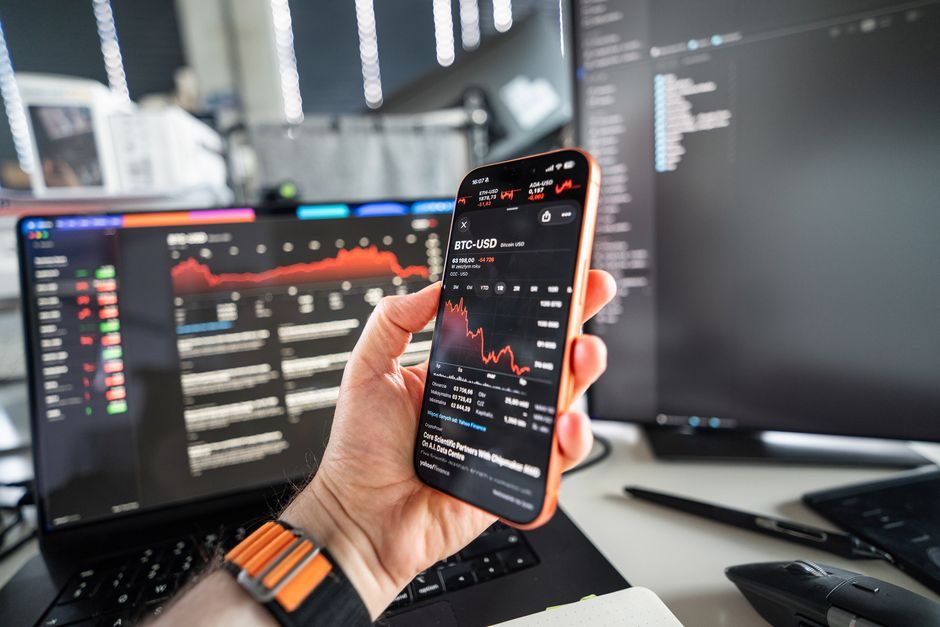
Broker selection criteria
Start by confirming the broker is regulated in a reputable jurisdiction and offers transparent pricing. Look for execution quality, reliability, and responsive customer support when you need it most. edinburghdaily.uk
Compare account types to find one that matches your capital and time horizon. A smaller initial balance with flexible leverage can be sensible for beginners if you limit risk.
Factor in platform usability, educational resources, and the availability of a keyboard-friendly, fast order entry interface that suits your workflow.
- Regulation and safety of funds
- Clear fee structure and spreads
- Quality execution and platform uptime
- Accessible customer service
- Educational resources and tools
Placing your first trades
Order types and exits
Start with basic order types: market orders for immediacy and limit orders for price control. Define a stop-loss to cap potential losses and a take-profit to lock in gains at a realistic level. community events in Edinburgh
Keep positions small relative to your overall balance while you gain experience. Use limit orders to avoid slippage in choppy markets and adjust targets as you learn.
Document the rationale for each trade so you can review what worked or failed later.
- Use stop-loss to limit risk
- Use take-profit to set expectations
- Prefer limit or stop orders in volatile markets
- Keep trade size conservative until confident
- Record reasoning for future review
| Order type | Pros | Cons |
|---|---|---|
| Market order | Immediate execution | Less price control |
| Limit order | Price discipline | Possible non-execution |
| Stop-loss order | Risk cap | Requires active monitoring |
Build a simple daily routine: review trades, record costs, and adjust position sizes to keep risk within a fixed percentage of your account.
Risk and costs
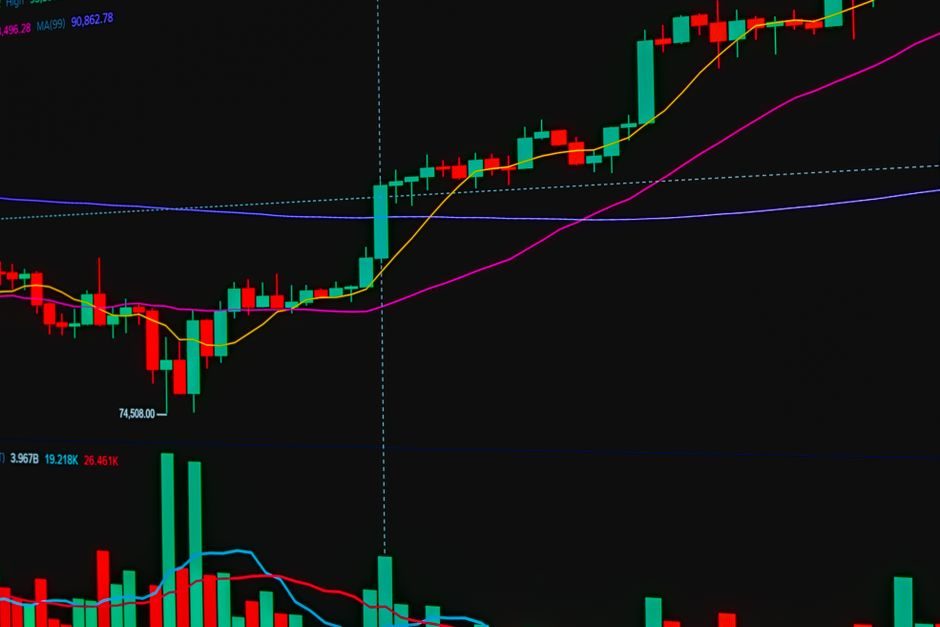
Managing costs and exposure
Forex trading costs include spreads, commissions, and potential financing charges for positions kept overnight. Track these over time to see their impact on your profitability. submit your business in Edinburgh
- Define risk per trade
- Choose leverage carefully
- Set initial stop-loss
- Review results daily
Build a simple daily routine: review trades, record costs, and adjust position sizes to keep risk within a fixed percentage of your account.
Use a routine stop-loss where market conditions threaten your planned risk level, then reassess your approach rather than chasing losses.
- Track spreads and commissions
- Monitor overnight financing charges
- Keep a fixed risk percentage per trade
- Review costs in a simple journal
- Adjust sizes to protect capital
Advanced strategies
Leverage and position sizing
Traders build a plan that matches risk to reward by sizing positions carefully. Start with a clear stop loss and a maximum risk per trade that fits your account size. This reduces the chance of large drawdowns during sudden moves. place a death notice in Edinburgh
- ☐ Determine your total trading capital
- ☐ Choose an acceptable risk per trade
- ☐ Compute position size with a risk calculator
- ☐ Set stop loss and take profit targets
A practical approach is to calculate risk in dollars rather than pips, then translate that into a position size that respects your capital limits. Use a simple formula to keep allocations consistent across trades.
With disciplined sizing, you can diversify across correlated pairs or time your entries around key economic releases without overextending your margin.
- Set a fixed risk per trade
- Define maximum total risk
- Adjust size for account balance
- Avoid over-leveraging
- Reassess after losses
Market context and timing
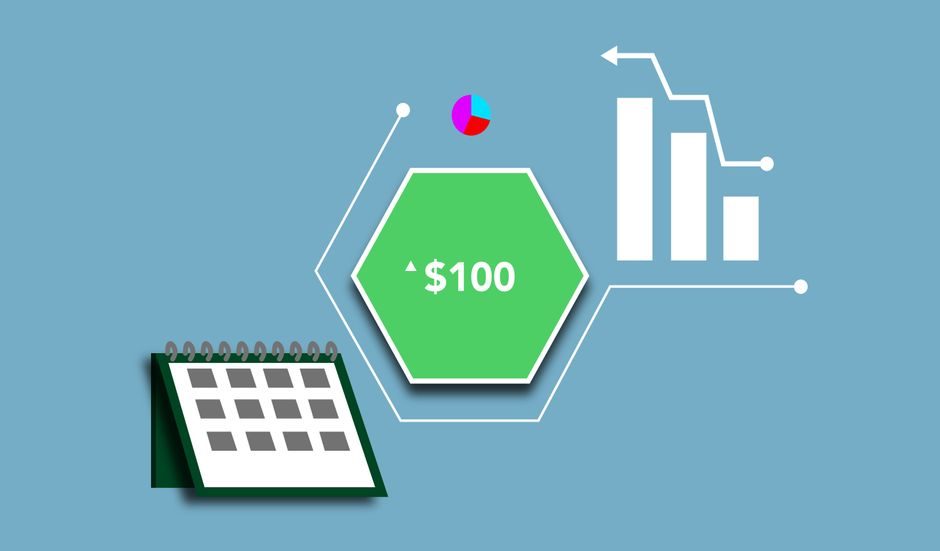
Understanding market cycles
Forex markets reflect economic cycles, monetary policy, and risk sentiment. Traders watch shifts in interest rates and inflation indicators to gauge potential moves. This context helps explain why a currency pair may extend or reverse after a policy announcement.
- Market context drives price moves
- Session liquidity matters for timing
- Always align trades with a plan
Identify which sessions overlap and how liquidity changes. The busiest periods often accompany tighter spreads, but volatility can spike unpredictably around data releases.
Keep a daily note of what moved a pair and why, so you can recognize recurring patterns rather than chasing every swing.
- Track major sessions
- Note policy events
- Record observed reactions
- Compare similar moves over time
- Avoid trading during thin liquidity
Tools and platforms
Choosing a platform
A trading platform should offer reliable order execution, clear charts, and a straightforward way to manage risk. Prioritize a clean layout, easy access to stop losses, and a responsive mobile app.
Test a platform with a demo account to verify order types and latency before committing real funds. Check how spreads widen during news and whether there are hidden costs.
Compare platforms by features rather than brand names, focusing on execution speed, charting capabilities, and customer support availability.
- Demo test all orders
- Check spread behavior during events
- Assess mobile vs desktop usability
- Verify customer support hours
- Review fee structures
Ethics and regulation
Compliance basics for traders
Regulation helps protect retail traders and maintains market integrity. Understanding the basics—who licenses brokers, what disclosures are required, and how funds are safeguarded—builds trust and reduces risk.
Look for brokers that hold client funds in segregated accounts and provide transparent risk disclosures. This clarity supports informed decisions, especially when losses occur.
Always verify that your broker is registered with relevant authorities and that their terms comply with local consumer protections.
- Check licensing and governing bodies
- Read client fund protections
- Confirm clear disclosures
- Review withdrawal policies
- Understand dispute resolution channels
Frequently asked questions
Is forex trading suitable for beginners?Forex can be complex and risky for new traders. Start with a solid education, a clear plan, and a demo account to learn how orders, leverage, and risk management interact. Progress gradually and avoid committing more capital than you can afford to lose.
How much capital is needed to start in forex?There is no fixed minimum, but most beginners start with a modest amount to avoid overexposure. Focus on learning and risk controls first, then scale as you gain consistency and understand your personal risk tolerance.
What is a typical risk level per trade?Many traders use a small fixed percentage of their capital per trade, such as 1% or less, while others opt for a dollar-based risk. The key is consistency and aligning risk with your overall plan.
Are there legal restrictions on forex trading?Regulatory requirements vary by country. In the US, forex brokers must register and follow rules designed to protect traders. Always verify that a broker is properly registered and adheres to local consumer protections.
Next steps for informed trading
Add Vermont News as a preferred source on Google


