
Finding death notices in the USA: a practical how-to for readers
A practical guide for locating death notices in the USA, with steps, options, and tips to verify information for readers of a news site.

Readers often need accurate death notices for context on stories, family history, or public records. This guide explains how to find reliable notices and verify details without wading through unreliable sources. You’ll learn practical steps, common pitfalls, and the best places to start your search.
Start with official sources and trusted archives to avoid misinformation. We cover what to expect in notices, how to search, and how to confirm dates and names. The goal is a clear, fact-based process that serves news readers and the public at large.
If you’re unsure where to look, begin with state and local government records, then compare notices from newspapers and funeral homes. We’ll outline concrete steps, useful questions to ask, and cautions about duplicate or incorrect listings. This approach helps you build a reliable picture from multiple sources.
- Start with official records and reputable archives. Verify details across multiple sources. Always document each step and source.
- Use a structured search plan to minimize noise and errors. Keep a clean log of what you checked and what you found.
- Be careful with aggregators; confirm information with primary sources before using it in a report or posting.
- Respect privacy and avoid sensational framing while handling sensitive notices.
Basics: where notices typically appear
Where to start searching
Begin with local newspapers and their online archives. Public records offices also host death notices, though access may vary. Look for recent obituaries first, then expand to regional sources as needed. death notices in the USA
Obituaries often appear in print and online, sometimes with fee-based archives. Start with the most recent listings to verify names and dates before checking older entries. This reduces confusion from similar names.
Cross-check dates, spellings, and locations across several sources to catch common errors or typos.
- Check multiple newspapers in the same city
- Note any alternate spellings of names
- Record dates and birthplaces for comparison
Verifying details in notices
Notices often include birth dates, funeral times, and locations. Confirm these elements by comparing at least two independent sources. This reduces the risk of propagating wrong information.
Look for consistency in names and middle initials across listings; a variance can indicate a different person. If dates don’t align with public records, seek corroboration before citing.
When in doubt, contact the funeral home or newspaper’s obituary desk to verify details directly.
- Compare two or more sources for each detail
- Watch for common misspellings and aliases
- Reach out to official contacts when needed
How to search efficiently
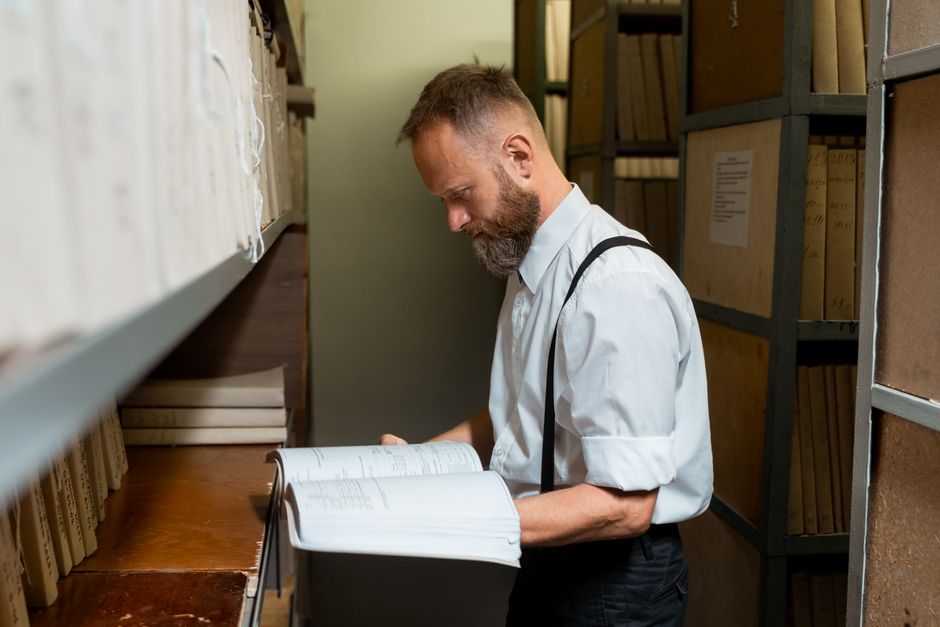
Constructing a search plan
Plan to search by surname first, then expand to given names and middle initials. Use quotation marks for exact name phrases to narrow results. Include possible dates or years to reduce false positives. latest education news
Build a checklist of sources to consult: local papers, funeral homes, state archives, and library databases. This keeps your work methodical and repeatable.
Document each source and outcome so you can backtrack if you encounter duplicates or gaps.
- Name variants to try (e.g., initials)
- Dates to test around
- Which archives to prioritize
Using library and archive catalogs
Many libraries offer digitized obituary collections and index searches. Use specific filters like city, year, and keyword to refine results. If you cannot access a database, request a librarian to run a targeted search.
Archive catalogs often include microfilm references or scanned pages you can view in person or online. Save PDFs or image screenshots for future verification.
Keep track of which catalogs yielded which details to improve your next search.
- Filter by city and year
- Save verifications for each result
- Note access limitations and alternatives
Options for where to publish or store notices
Direct sources vs aggregators
Direct notices come from funeral homes and newspapers; aggregators compile multiple listings under one platform. Each has strengths: direct notices tend to be more precise, while aggregators offer breadth. get your event listed in the USA
- Prioritize primary sources when possible
- Cross-check with at least one independent source
- Maintain an audit trail for every notice
When using aggregators, verify the entry against a primary source before publishing or citing. This helps prevent duplication or errors.
Keep a record of the original source for every notice you reference.
- Direct source for accuracy
- Aggregators for breadth
- Always verify before publication
| Source type | Pros | Cons |
|---|---|---|
| Direct notices | High accuracy, primary source | May be harder to find for older deaths |
| Aggregators | Broad coverage | Quality varies, require verification |
| Library catalogs | In-depth records | Access limits and learning curve |
Dealing with gaps and updates
Notices can appear or be updated after initial publication. Revisit sources if a death notice seems incomplete or missing. Time-stamped updates help establish a timeline.
Some families release notices later through multiple channels, which can create overlapping listings. Track these to maintain a complete record.
If a notice is edited, note the change and confirm the updated details with a primary source.
- Re-search after initial publication
- Watch for updated notices
- Record changes for accuracy
Ethical reporting builds trust with readers who rely on accuracy in difficult times.
Ethical considerations in reporting death notices

Respect for survivors and sensitivity
Editors should balance public interest with compassion, especially when families are grieving. Verify details before publishing to avoid adding pain from errors or misidentification. When in doubt, pause and seek corroboration from reliable sources. USA business listings
Use language that honors the deceased and their family without sensationalism. Avoid sharing unverified rumors or personal disclosures that could cause harm. Ethical reporting builds trust with readers who rely on accuracy in difficult times.
A practical check is to run a quick cross-check: funeral notices, obituaries, and official records should align. If discrepancies arise, report them clearly and transparently, including what is being verified and what remains uncertain.
Legal considerations and privacy
Public records and consent
Notices often rely on public records, but publishers must respect state privacy laws and local norms. Always check the jurisdiction’s rules on publishing death notices and obituaries. When consent is needed, obtain it through the appropriate channel. second-hand items for sale in the USA
Be mindful of sensitive information that could expose grieving families to risk or harassment. Avoid publishing private addresses or identifying information beyond what is necessary for notice purposes. Public interest does not waive privacy protections.
In practice, editors should document the source of every notice and its legitimate basis. If a notice came from a funeral home, verify the exact wording against the official obituary to prevent misreporting.
Tech tools for searching and verification

Reliable search methods
Use targeted queries combining name, location, and date ranges to filter results. Start with official cemetery and funeral home pages, then move to local newspaper archives. Save results and timestamp sources for accountability.
Cross-check with multiple outlets to confirm consistency. When online records conflict, prioritize primary documents and contemporaneous notices. Maintain a simple log of what was checked and why it matters.
Document any ambiguous details and plan for follow-up verification. If you cannot verify, avoid publishing speculative information and note the uncertainty for readers.
- Local obituary databases
- Funeral home announcements
- Library archival newspapers
Digital tools can speed up matching names to records, but they require careful interpretation. Always corroborate with at least two independent sources before publishing. This reduces the chance of errors in a sensitive area.
Navigating conflicting sources
When sources disagree
Discrepancies happen when notices come from different agencies or families. Treat the most authoritative source as the baseline, then explain the variance to readers. Clear, careful language helps prevent confusion during a difficult time.
- Identify the most authoritative source first.
- Publish with clear notes on discrepancy.
- Follow up with verified information when possible.
Avoid rushing to publish until you have a plausible resolution. If a conflict remains unresolved, present both versions with context and the steps you will take to verify. Readers expect transparency, not a rushed edit.
Establish a standard practice for handling conflicts, such as a short note on the publication date and the source of each notice. This builds credibility and reduces ambiguity.
Frequently asked questions
How should I verify a death notice when sources disagree?Begin with official records such as death certificates or funeral home announcements. Cross-check against at least two independent outlets. If there’s no clear consensus, note the uncertainty and outline the steps you will take to verify.
What privacy limits should guide publishing death notices?Avoid publishing private addresses or sensitive details beyond standard notice information. Respect family requests for discretion and comply with local laws governing obituary content. When in doubt, seek guidance from a newsroom ethics policy.
Can I publish posthumous details from social media?Social media can provide leads, but it is not a primary source. Confirm information with official notices or funeral home communications before publication. If it cannot be verified, omit or clearly label as unconfirmed.
What is the best way to handle sensitive family information?Publish only what is commonly requested for public notices and avoid personal data that isn’t necessary. Use neutral language, and be ready to correct errors promptly if a family indicates a mistake.
Next steps for cautious reporting
Readers rely on careful, verifiable notices during times of loss. The approach here emphasizes cross-checking, documenting sources, and respecting privacy while serving the public interest. The next step is to implement a consistent verification workflow across the newsroom.
Practically, establish a short internal checklist: confirm notices with at least two independent sources, record source details, and flag any unresolved discrepancies for follow-up. This creates a transparent, trustworthy process readers can rely on during breaking news and memorial notices.
Add Vermont News as a preferred source on Google


