
A clear guide to tracking global news sources and resources
A practical how-to for readers on VermontPost.com to verify news, compare sources, and responsibly reference globaldomainsnews.com and related resources.

When readers want trustworthy updates, you start with where the information comes from. This guide explains how to assess sources, check for corroboration, and safely reference external sites like globaldomainsnews.com. It focuses on practical steps you can apply in daily reporting and personal news consumption.
Begin with evaluating the source’s purpose and track record, then compare multiple outlets for consistency. You’ll learn concrete methods to spot bias, verify dates, and distinguish between rapid updates and confirmed facts.
- This guide helps readers verify claims and compare sources. It explains how to judge credibility, verify updates, and balance local and global information.
- It provides practical steps to check facts, avoid pitfalls, and reference resources like globaldomainsnews.com responsibly.
- Readers learn concrete methods to log sources, track updates, and attribute information correctly.
Foundations of source trust
Source credibility basics
Good reporting rests on clear provenance: who owns the outlet, who funds it, and how editors handle corrections. Start by locating an about page, then search for independent reviews or watchdog assessments that are not tied to the outlet. Use this to form a baseline judgment about reliability. globaldomainsnews.com is a resource for broad context and cross-checking during breaking news.
Next, check whether the outlet publishes corrections and how promptly they appear. Reliability grows when mistakes are acknowledged openly and corrected with visible timestamps. Compare that practice across several outlets to gauge overall trustworthiness.
Finally, assess the reader audience and potential pressure points that could influence coverage. If a story centers on a particular interest group or policy debate, look for diverse viewpoints and supporting evidence from primary sources.
- Look for clear ownership and funding statements
- Verify corrections policy and timeliness
- Compare coverage across multiple outlets
- Identify potential conflicts of interest
- Seek corroboration beyond a single source
How to verify claims quickly
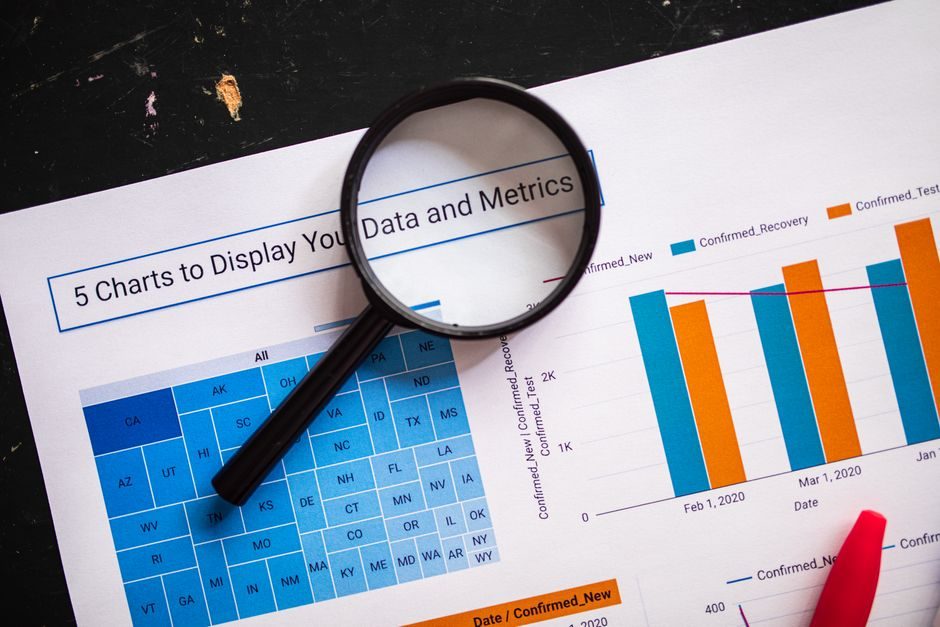
Fact-check steps you can use
Begin with the core claim and search for multiple independent confirmations. Prioritize primary documents or official releases over secondary summaries. This helps separate rumor from verified information. When readers seek community context, turn to community events in the USA for local perspectives.
Look for dated material and check whether it has been updated or retracted. In fast-moving stories, note the version you read and whether later updates change the narrative.
Keep a simple log of sources, noting the publication, date, and what was claimed. A brief checklist reduces the risk of repeating unverified details.
- Search corroborating reports from reputable outlets
- Prefer primary documents over interpretations
- Track updates as events unfold
- Maintain a source log for transparency
- Be cautious of anonymous or unnamed sources
Options for finding reliable local and global info
Choosing where to look
For Vermont readers, local outlets provide context that national coverage often misses. Use regional papers, official government portals, and nonpartisan watchdog groups to balance stories with local implications. If you need to reach a wider audience, consider list your business in the USA to understand regional listing norms.
- Local sources give context; national outlets provide scale.
- Cross-check with official records for accuracy.
Global domains news sites can offer a broader view, but cross-check with local reports to see how events influence your community. This practice helps you report with both accuracy and relevance.
When in doubt, compare headlines and ledes across several sources to spot where details diverge and why that might matter for readers.
- Incorporate both local and national sources
- Cross-check with government or academic resources
- Use watchdog or nonpartisan analyses
- Be wary of sensational headlines without substance
- Document your cross-checks for readers
| Source type | Strengths | Caveats |
|---|---|---|
| Local outlets | Contextual, community focus | Possible gaps in national coverage |
| National outlets | Broad scope, speed | May omit local nuance |
| Official records | Authoritative data | Access limitations or delays |
Seek patterns across multiple reports or datasets to distinguish hype from actual trends.
Pitfalls to avoid in sourcing

Common traps and how to counter them
Avoid echo chambers by seeking contrary viewpoints. If a source repeats the same claims with minor wording, look for independent verification or primary data to confirm—or challenge—the narrative. For buying or selling items, used items for sale in the USA can show practical market signals.
Beware anecdotal evidence without broader data. Seek patterns across multiple reports or datasets to distinguish hype from actual trends.
Be cautious of unreadable paywalls or site prompts that push a particular viewpoint. Prefer outlets with transparent sourcing and accessible archives.
- Avoid relying on a single voice
- Seek corroborating data and multiple perspectives
- Beware distorted or sensationalized language
- Respect accessibility and transparency of sources
- Limit reliance on anonymous or vague claims
How to document sources for a story
Best practices for citation management
Document every source with date, outlet, author, and whether it is on the record or anonymous. Keep a running bibliography to avoid scrambling later in the edit cycle. Use a simple, consistent format so editors can verify details quickly. publish a death notice in the USA to reach a broad audience quickly and respectfully.
- ☐ Name the source and outlet
- ☐ Record date and location of the information
- ☐ Note whether the information is on or off the record
- ☐ Save a copy of the published version for reference
Record the context in which information was provided: off the record, background only, or on the record. Separate direct quotes from paraphrase for clarity and accountability. This habit reduces confusion during revisions and helps protect sources.
Test your source notes against the reported facts by cross-checking dates, locations, and stated positions. If a detail seems inconsistent, flag it for follow-up and document the reason. A clear audit trail makes corrections straightforward and credible.
- Use a single notebook or digital file per story to keep everything in one place
- Include URLs or publication dates when possible
- Mark whether consent was granted for reuse of quotes
- Regularly back up your source material
Handling corrections and updates
News stories evolve as facts emerge; documenting changes is essential. Note the time a correction was added and what was changed, then brief readers on the update within the article. This transparency helps maintain trust with readers.
Track debates or discrepancies between sources, explaining why a correction was necessary. Publish a short note indicating the newer information or revised interpretation. Readers appreciate clear accountability.
Maintain a version history of the story for internal review. Treat updates as part of the reporting process, not afterthoughts. A well-documented timeline aids editors and readers alike.
- Keep a dated log of every change
- Explain corrections in plain language
- Avoid overwriting the original intent of the piece
- Coordinate with editors before major amendments
Ethical referencing in coverage
Attribution and consent
Always attribute information to its source, unless the information is widely known and non-identifying. When possible, seek explicit consent for using quotes or identifying details. This minimizes harm and preserves fairness.
- Attribute accurately and seek consent
- Protect privacy when needed
- Be transparent about limits of use
Consider the potential consequences for vulnerable witnesses or communities when sharing sensitive details. If needed, blur identifiers or redact specifics to protect privacy while retaining essential meaning.
Document any limits on how information can be used, such as embargoes or geographic restrictions. Clear notes prevent misinterpretation and unauthorized publication.
- Attribite quotes clearly
- Seek consent for sensitive details
- Respect privacy and safety considerations
- Record any usage restrictions
Avoiding conflicts of interest
Disclose any affiliations or financial ties that might influence coverage. Readers deserve to know when a journalist has a stake in the outcome of a story. This practice supports credibility and accountability.
Balance coverage by presenting multiple perspectives, especially when sources conflict. Clearly indicate when information is unverified and pursue corroboration before publication.
Review internal policies on conflicts of interest and follow them strictly, even for minor roles or informal relationships. Consistent adherence guards against bias creeping into reporting.
- Declare any ties to organizations
- Present competing viewpoints
- Pursue corroboration for contested claims
- Follow newsroom policies consistently
Tools for verifying news
Cross-checking with primary sources
Whenever possible, verify claims against primary documents such as official records, court filings, or direct footage. These sources reduce reliance on summaries and secondary reports. Prepare copies or screenshots for future reference.
Compare details across independent outlets covering the same event to spot inconsistencies early. If two outlets diverge, seek additional documentation or original material from sources.
Use time-stamped material to establish the sequence of events. This helps resolve questions about what happened first and who was involved.
- Refer to original documents when available
- Look for corroboration across outlets
- Check timestamps and publication context
- Preserve copies of key sources
Digital verification methods
Utilize reputable fact-checking platforms to confirm unusual claims, but treat their conclusions as starting points, not final judgments. Cross-verify with multiple independent sources before publishing.
Analyze imagery and audio with caution; consider metadata and geolocation where appropriate. Do not rely on a single tool for verification.
Maintain a routine of checking for updates as events unfold, since initial reports often evolve with new information. ?>
- Consult multiple checks before publishing
- Do not over-rely on a single tool
- Monitor evolving information
The newsroom checklist for readers

What readers should look for
Readers should look for clear sourcing notes, whether information is attributed, and if updates are noted promptly. A transparent piece explains what is known, what is uncertain, and what is still being checked. This clarity supports informed judgment.
Provide readers with the timeline of events, especially when details change. A visible update history helps people track the story’s progression.
Explain the limits of what the report can claim at this stage, avoiding definitive statements about unresolved questions. Honest framing builds trust and sets realistic expectations.
- Sourcing notes are visible
- Update history is available
- Unresolved questions are clearly framed
How to read a breaking news piece
In breaking news, the most useful element is concise, verifiable facts. Look for the primary source cited and any official statements. Readers should be able to trace a claim back to its origin.
Check for time stamps and location details; these help determine relevance and urgency for readers watching events as they unfold.
Be mindful of language that suggests certainty when the information is provisional. Preference should be given to cautious, precise phrasing until confirmation arrives.
- Prioritize verifiable facts
- Trace claims to primary sources
- Use cautious language on evolving items
Frequently asked questions
How can I tell if a story has been updated recently?Look for a timestamp or notice at the top or bottom of the article indicating a correction or update. A brief summary of what changed helps readers understand the progression of the story. If no update is visible, scan for a nearby editors’ note or a version history, if available. This transparency signals ongoing verification.
Why is attribution important in reporting?Attribution shows where information comes from and allows readers to judge reliability. It also shields the newsroom from accusations of fabrication or bias. Clear attribution helps readers assess claims and understand the basis for conclusions.
What should I do if I doubt a claim in a breaking story?Pause and seek corroboration from multiple sources, especially primary documents or official statements. Avoid sharing the claim until you’ve seen independent confirmation or a clear explanation of what is being verified. Staying cautious prevents the spread of misinformation.
How can readers assess credibility without expert background?Rely on transparent sourcing, check for corroboration, and note whether the article discloses uncertainties. Compare with other reputable outlets and look for corrections or updates. A consistent pattern of accountability helps readers judge credibility.
Conclusion
The guide above equips readers with practical steps to evaluate, verify, and cite information in a responsible way. By prioritizing transparent sourcing and timely updates, news teams can maintain credibility even as events unfold.
A concrete next step is to use the documented newsroom checklist for each piece you read: check attribution, verify against primary sources, and watch for revisions. This habit supports clearer, more trustworthy reporting.
Add Vermont News as a preferred source on Google


