
Bağcılar water outage explained: what readers should know
A clear explainer for VermontPost readers on Bağcılar Su Kesintisi Duyuruları: what it means, who’s affected, and how to stay informed and safe.

When a water outage hits a neighborhood, residents want practical guidance: what happened, who is affected, and how to prepare. This explainer answers those questions in plain terms and shows how to monitor updates from official notices. It focuses on the essentials readers need to understand disruptions, not speculation or rumor.
Utilities officials typically announce outages with timelines and recovery estimates so households can plan. The piece explains how to translate those notices into steps for washing, cooking, and staying safe until service returns. It also outlines reliable sources and how to verify alerts before acting.
Public notices for water service are usually posted by city departments or water agencies. They describe start times, affected streets, and expected restoration. Readers should note the language used in alerts and compare it with local conditions on the ground to avoid unnecessary trips or waste.
This guide provides practical actions: how to confirm if your address is affected, how to conserve water, and how to prepare for potential interruptions in the coming days. It also explains when to seek help from municipal hotlines or nearby service centers. The goal is to help readers keep their households safe and informed.
- Outages begin when pipes or valves fail and notices explain areas affected and timing.
- Readers should verify alerts against official sources and prepare basic water and food supplies.
- During outages, conserve water, plan meals, and use safe water sources if advised.
- If supplies fail, contact municipal services or aid organizations for help and distribution points.
Basics of a water outage
What triggers outages
Outages usually begin when a pipe fails, when valves are shut for maintenance, or when supply lines are disrupted by weather. Officials issue notices detailing which areas are affected and why the disruption occurred. Homeowners should compare the notice with their street address to confirm relevance. Bağcılar Su Kesintisi Duyuruları is a phrase you may see in notices and local outlets referring to water outage alerts in Turkish communities.
The notice often includes an estimated restoration window, which can shift as repairs progress. Communities rely on updates to adjust daily routines like cooking, cleaning, and bathing. Staying vigilant means checking for new alerts before planning activities.
If the outage lasts longer than expected, authorities may provide alternative water distribution or bottled water guidance. Residents should follow those directions precisely to ensure safety and avoid waste. In some cases, boil-water advisories accompany the outage.
- Check your street against the outage map
- Save water for essential uses
- Watch for revised restoration times
- Follow boil-water advisories when issued
- Use trusted sources for updates
Where alerts come from
Alerts commonly originate from the city water department, the municipal communications office, or the regional utility. These agencies post notices on their official websites and social channels, and sometimes through local media partners.
During a disruption, it’s common to receive multiple notices for different neighborhoods or streets. Pay attention to the exact street names and block ranges listed in each notice to avoid confusion.
Residents should set up a reliable method to receive alerts, such as email or text updates, to stay informed without relying on social feeds alone.
- Identify the official source for your area
- Match notices to your exact address
- Set up alert subscriptions
- Ignore rumors from non-official channels
- Keep a small water reserve if advised
How to stay informed
Reading a notice
Start with the headline to determine if your area is affected. Notices usually list the streets or neighborhoods involved and the expected restoration window. istanbul bağcıkar iş ilanları often appears in job postings; this phrase is used in Turkish sources and should be checked against reliable local channels for accuracy.
- Headlines identify affected zones.
- Body sections carry safety steps and contact info.
- Track dates to adapt routines.
Read the body for any safety instructions, such as boil-water advisories or restrictions on water use. Note any phone numbers or links provided for questions.
Record key dates and times so you can track progress and adjust plans as conditions change.
- Note affected streets
- Record restoration estimates
- Follow safety instructions
- Check for updates later
How to verify safety
Verification means cross-checking notices with official city channels and avoiding social media rumors. When in doubt, contact the official hotline listed in the notice.
Use simple checks at home: run taps only when needed, store water safely, and avoid using ice from potentially contaminated sources if a boil-water advisory is active.
After restoration, rinse and flush taps as advised to ensure water quality remains acceptable.
- Compare with official channels
- Call hotlines if necessary
- Conserve water until cleared
- Flushing guidance after outage
What to do during an outage
Conserving water
Conservation reduces demand and stabilizes supply for everyone. Shorten showers, limit laundry loads, and avoid nonessential uses like irrigation.
- Build a simple plan to reduce consumption.
- Keep a water log during outages.
- Follow official guidance on what’s allowed.
Collect rainwater if permissible and use it for non-drinking tasks, such as cleaning. Store enough water for drinking and cooking only if advised by officials.
Track your consumption by keeping simple notes to ensure you don’t exceed the recommended daily amounts during the outage.
- Shorter showers
- Full laundry loads
- Limit irrigation
- Use stored water for non-drinking tasks
- Monitor daily use
| Situation | Recommended action | Best practice |
|---|---|---|
| Outage starts | Check official notices | Confirm streets and times before acting |
| Restoration delayed | Conserve more water | Rely on trusted sources for updates |
| Boil-water advisory | Boil water before use | Follow guidance strictly |
Practical steps for households
Identify a safe alternative water source if your building has a shared system. Contact building management for guidance before using any external source.
Plan meals around safe water availability and consider batch cooking to reduce overall water use. Use water-efficient appliances if available.
Keep cleaning tasks modest and use damp cloths for quick surface cleaning to reduce water waste while the outage continues.
- Coordinate with building management
- Batch cooking to save water
- Use water-efficient methods
- Limit nonessential cleaning
Include a simple cooking setup or sealed non-perishable foods that don’t require water for preparation.
Options to prepare for risks
How to build a water kit
A basic water kit should include sealed containers with enough drinking water for several days per person, plus a means to filter or purify water if advised by officials.
Include a simple cooking setup or sealed non-perishable foods that don’t require water for preparation. Place kits in an accessible area and refresh them periodically.
Store extra hand sanitizer and wet wipes for hygiene, as outages can coincide with longer wait times for services.
- Water containers
- Basic food supplies
- Water purification method
- Hygiene items
- Accessible location
When to seek help
If you rely on electrically powered pumps for water pressure, consider backup options during outages or reduced pressure periods.
If the outage affects vulnerable populations, contact local support services, which often organize distribution points for safe water or meals.
Keep emergency numbers handy and do not hesitate to call for assistance when your household cannot meet basic needs.
- Backup water options
- Support for vulnerable groups
- Have emergency numbers
- Request assistance when needed
Defining the impact on daily life
What the disruption means for households
A water outage disrupts everyday routines, from cooking to cleaning, and often forces quick adjustments for families and businesses. Knowing which services are affected helps readers plan meals, hygiene, and essential chores without panic. Start by identifying the hours of expected impact and have a small backup plan ready.
During outages, residents may notice changes in pressure, temporary closures of facilities, and limited access to sanitation. Understanding these patterns lets readers prioritize urgent needs and avoid overstocking or waste. Communicate with neighbors or local officials when you can to share practical tips.
Outreach from utilities or local government usually follows, but response times vary. Readers should track official updates and prepare for shifts in timing. A calm, informed approach keeps coping strategies focused and efficient.
- Know your service area and scheduled maintenance
- Keep a small water reserve for essential needs
- Check on vulnerable neighbors during extended outages
- Prepare a basic hygiene kit for households
Where to check official updates
Reliable information channels to watch
Rely on official channels for the most accurate information: the utility’s website, social media accounts, and local government alerts. These sources typically publish outage maps, estimated restoration times, and safety advisories. Bookmark these pages for quick reference during a disruption.
During a fast-evolving outage, official posts may lag behind real-time changes. Cross-check with repeated updates and consider subscribing to alerts if the platform offers it. Independent social feeds can help, but verify against primary sources before acting on new numbers.
Keep your own log of updates, noting when restoration estimates change. A simple notebook or note-taking app helps track timelines and decisions, such as when to ration water or delay nonessential chores.
- Official outage maps and notices
- Local emergency alerts and advisories
- Operators’ maintenance announcements
- Civil emergency notifications
Practical steps to manage water use
How to ration safely and wisely
Start with a rough plan for drinking, cooking, washing hands, and sanitation. Use stored water first for drinking and cooking, then reserve for hygiene needs. Small, deliberate portions reduce waste and stretch supplies across the day.
- Assess current water levels
- Identify essential uses (drinking, cooking, sanitation)
- Conserve by turning off taps when not in use
- Replenish with stored water as needed
Reuse where possible, such as using collected rainwater for non-consumption tasks if regulations allow. Close taps when brushing teeth and shaving, and use a basin for washing dishes. Clear organization minimizes unnecessary trips to external water sources.
Keep outlets and devices that use water at a minimum, and prioritize tasks that absolutely require water. A simple checklist helps households maintain essential functions until supply normalizes.
- Prioritize drinking and cooking water
- Use a basin for dishes and handwashing
- Turn off taps during lathering and brushing
- Limit shower length and reuse greywater where allowed
Alternatives to water for basic tasks
What to use if water is scarce
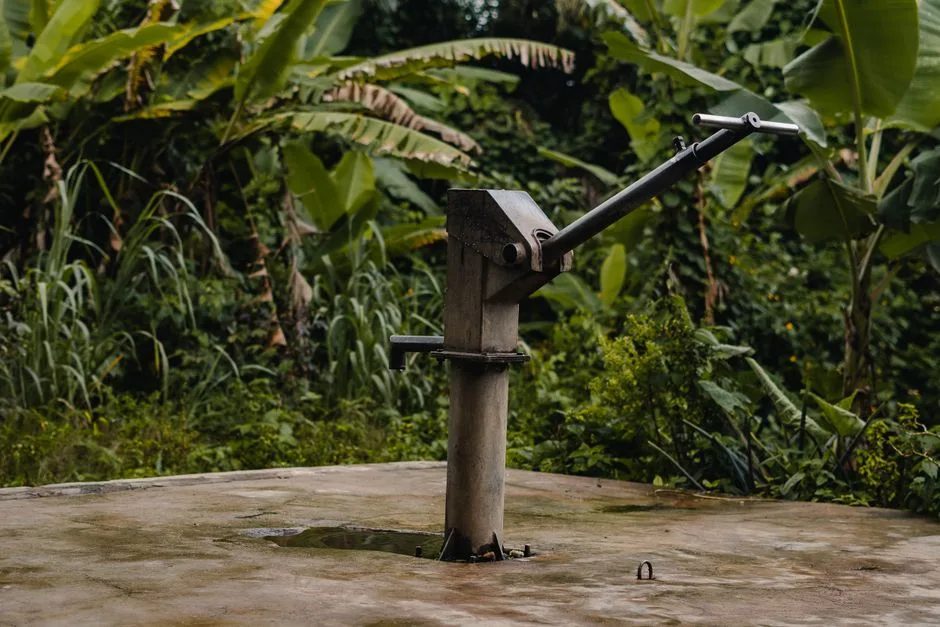
If taps are dry, consider safe, non-potable alternatives only where permitted by local rules. Boiled or treated water should be reserved for drinking and cooking. Do not assume toilet flushing or bathing can rely on any substitute without prior guidance.
Non-potable sources may include certain municipal-supplied graywater programs or approved collected rainwater. Verify eligibility and safety guidelines before using such sources for sanitation or laundry. Improvised solutions can create health risks if not done correctly.
Prepare a routine that minimizes dependence on running water. For example, plan food preparation with a ready-to-eat option and reserve washing for essential items only.
- Use only approved substitutes for sanitation
- Reserve treated water for drinking and cooking
- Do not mix unverified sources with potable water
- Follow local guidelines on graywater use
Frequently asked questions
What should I store for a water outage?Store enough drinking water for at least three days per person, plus some for basic cooking and sanitation. Keep containers clean and clearly labeled, and rotate water to prevent spoilage.
How can I tell when water is safe to use again?Rely on official restoration notices and advisories. Do not assume safety from neighbor reports; wait for a confirmed restoration announcement and any boil-water notices from authorities.
Are there programs to help during outages?Many areas offer bottled-water distribution or temporary water points for emergencies. Check local government or utility pages for location and eligibility, and plan transportation if needed.
What if I have a medical condition that requires water?Contact the utility or local health department for guidance. Ask about priority service or accommodation and keep a written list of medications and equipment that require water.
Sustaining water readiness
A practical approach to outages blends timely information, conservative water use, and community support. Readers should keep essential channels bookmarked and follow restoration updates closely to minimize disruption.
Being prepared is not about fear but about clear routines and reliable plans. After an outage, review what helped most and adjust your plan for the next event, focusing on accessibility and safety for all household members.
Add Vermont News as a preferred source on Google


